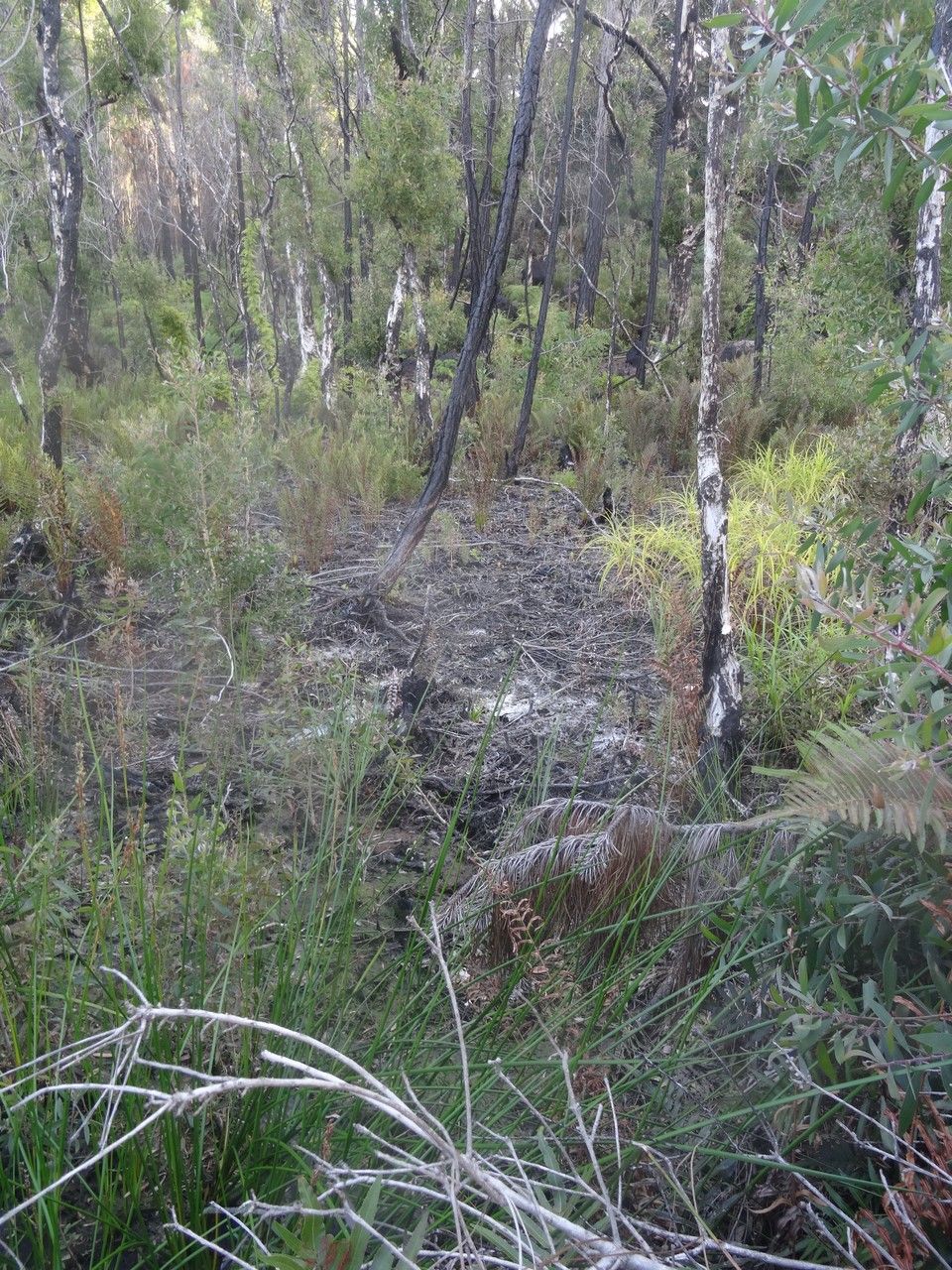
Oh, hello there! Pull up a chair and let’s chat about one of my very favorite plants: the Eriocaulon pancheri. If you’ve ever seen this beauty in a garden or aquarium, you know it’s got this incredible, spiky charm that just draws you in. Its unique form and delicate little flowers are a real showstopper. And the best part? Getting more of these charmers is totally achievable. Propagating Eriocaulon pancheri isn’t the absolute easiest thing for a complete beginner, but with a little patience and the right approach, it’s wonderfully rewarding. Think of it as a delightful challenge that yields beautiful results!
The Best Time to Start
For Eriocaulon pancheri, the sweet spot for propagation is during its active growing season. This typically means spring and summer, when days are longer and temperatures are warmer. You’re looking for healthy, vigorous plants that are producing new growth. Starting too late in the fall or during dormancy can significantly lower your success rate, as the plant just won’t have the energy to put into those new babies.
Supplies You’ll Need
Gathering your supplies beforehand makes the whole process go much smoother. Here’s what I usually have on hand:
- Sharp, clean pruning shears or scissors: For making precise cuts to avoid damaging the parent plant or cuttings.
- A well-draining potting mix: I often use a mix of coco coir, perlite, and a bit of worm castings. A specialized carnivorous plant mix can also work wonders.
- Rooting hormone (optional but recommended): This helps speed up root development. Look for one that’s suitable for herbaceous plants.
- Small pots or propagation trays: Clean ones are key to preventing disease.
- A spray bottle: For misting your cuttings.
- A clear plastic bag or propagation dome: To create a humid environment.
- Filtered water or rainwater: Tap water can sometimes contain minerals that aren’t ideal for sensitive plants like these.
Propagation Methods
Eriocaulon pancheri is most commonly propagated through division. It tends to form clumps of new shoots, making this the most straightforward and successful method.
Division: Multiplying Your Eriocaulon’s Beauty
- Gently Unpot: First, carefully remove your Eriocaulon pancheri from its pot. Try to disturb the root ball as little as possible.
- Clean the Roots: Gently shake off excess soil. You might want to rinse the root ball under a gentle stream of water to better see the division points.
- Identify the Divisions: Look for natural separation points where new shoots have emerged from the base of the parent plant, often with their own little roots.
- Separate Carefully: Using your clean pruning shears or even just your fingers, gently separate the divisions. You want to ensure each new division has a good portion of roots attached. If a division looks really tough to separate without damaging roots, it’s okay to leave it attached to the parent for a while longer.
- Pot Them Up: Fill your clean pots with your well-draining mix. Plant each division so that the crown (where the leaves emerge) is just at or slightly above the soil line.
- Water Gently: Water thoroughly but gently to settle the soil around the roots.
The “Secret Sauce” (Pro Tips)
Here are a couple of things I’ve learned over the years that really make a difference:
- Don’t Over-Dry the Roots: When you’re dividing, try not to let the separated root systems dry out in the air for too long. If it’s taking you a while to get through divisions, keep the ones you’ve separated in a little bit of water.
- Mimic the Tropics with Humidity: These plants love a humid environment, especially when they’re getting established. After potting your divisions, cover them with a clear plastic bag or pop them into a propagation dome. This creates that mini-greenhouse effect that encourages new root growth. Just make sure there’s a little airflow to prevent mold – you can poke a few small holes in the bag.
Aftercare & Troubleshooting
Once your divisions are potted, place them in a spot with bright, indirect light. Avoid direct sun, which can scorch tender new growth. Keep the soil consistently moist, but never waterlogged. A light misting with your spray bottle a couple of times a day can also be beneficial, especially if you’re not using a dome.
The biggest challenge you might face is rot. This usually happens if the plant is kept too wet, or if there isn’t enough airflow. If you see a cutting turning mushy and black, sadly, it’s probably a goner. Don’t get discouraged! Just remove the affected part and ensure the remaining ones have better conditions. Over time, you’ll see new leaf growth emerging. That’s your signal that roots are forming and your new plant is happy!
A Encouraging Closing
Growing new plants is such a joyful journey. Be patient with your Eriocaulon pancheri divisions. They might take a little time to show significant progress, but when they do, it’s oh-so-satisfying. Enjoy the process of nurturing these little wonders, and soon you’ll have even more of those spiky delights to admire! Happy gardening!
Resource: