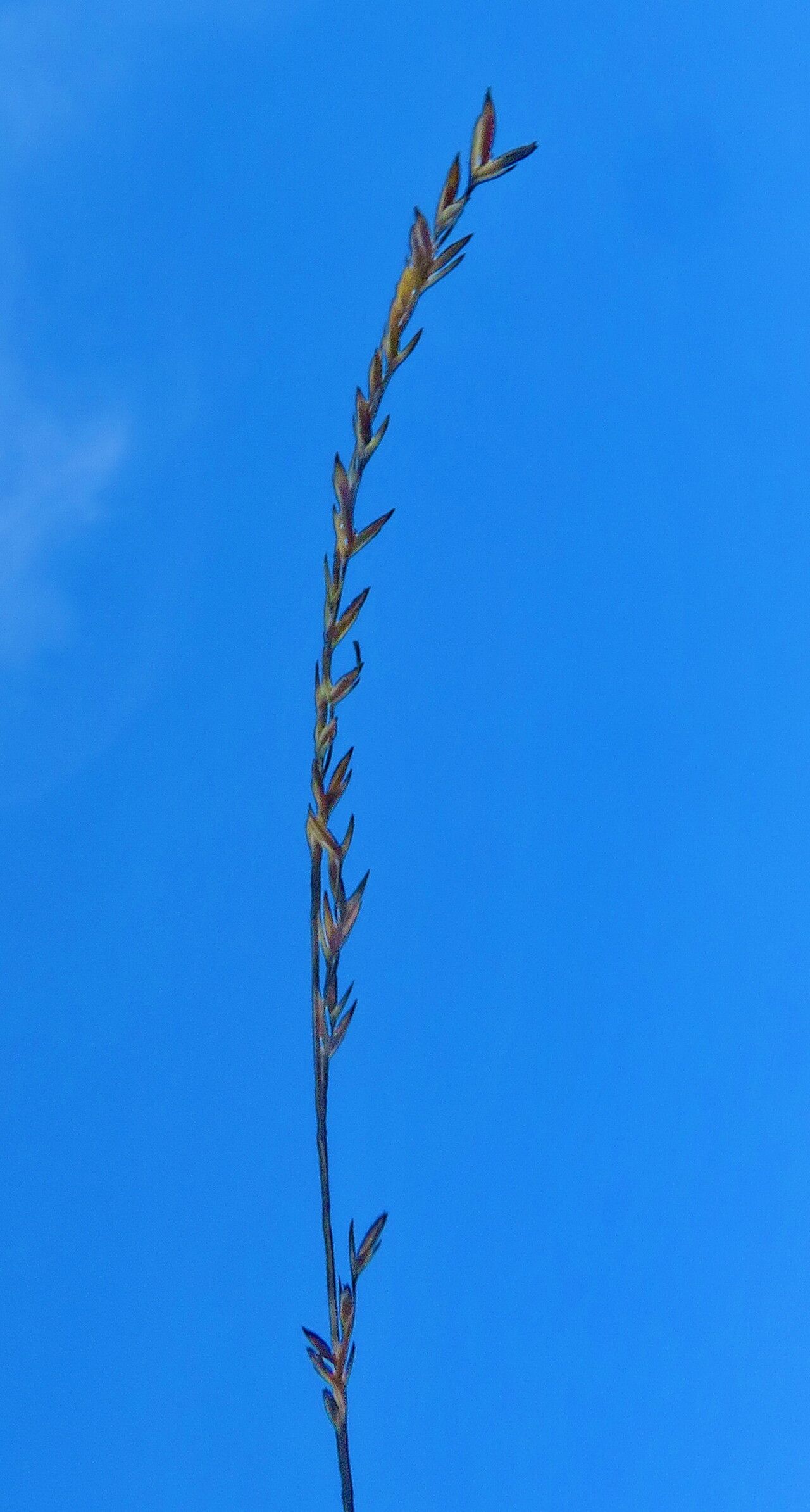
Hello, fellow garden enthusiasts! It’s me, your friendly neighborhood plant whisperer, back with another adventure in growing. Today, we’re diving into the delightful world of Festuca filiformis, sometimes known as Fine Fescue or even thread-leaf fescue. Its delicate, thread-like foliage adds such a lovely texture to any garden, and honestly, seeing those wispy blades dance in the breeze is pure joy. And the best part? Propagating it is incredibly rewarding. If you’re looking for a new project, this one’s definitely beginner-friendly!
The Best Time to Start
For Festuca filiformis, the sweet spot for propagation is generally in late spring or early summer. This is when the plant is actively growing and has plenty of energy to put into developing new roots. You’ll have the most success if you start with healthy, vigorous mother plants.
Supplies You’ll Need
Gathering your tools is like prepping for a delicious meal – it makes the whole process smoother! Here’s what you’ll want on hand:
- Sharp pruning shears or a clean knife: For making precise cuts.
- Well-draining potting mix: I like a blend of equal parts peat moss or coco coir and perlite or coarse sand. This provides aeration and prevents waterlogging.
- Small pots or trays: Clean ones are a must to prevent disease.
- Rooting hormone (optional but helpful): A powder or gel can give your cuttings a nice boost.
- Watering can or spray bottle: For gentle watering.
- Labels and a marker: To keep track of your precious new plants!
Propagation Methods
Festuca filiformis is a real trooper, and it’s quite easy to propagate through division. This method essentially involves splitting up a mature plant into smaller sections, each with its own roots and shoots.
- Dig Up Your Mother Plant: Carefully dig up your established Festuca. Gently shake off excess soil so you can see the root system clearly.
- Separate the Roots: Look for natural divisions in the clump. You can use your hands to gently pull the plant apart, or if it’s a bit stubborn, use your clean trowel or knife to slice through the root ball. Aim to create sections that have at least a few healthy shoots and some attached roots.
- Replant Immediately: Prepare your new pots with your well-draining potting mix. Make a small hole in the center of each pot and place your divided section in, ensuring the roots are spread out a bit. Backfill with soil and gently firm it down.
- Water Thoroughly: Water your newly potted divisions well to help settle the soil around the roots.
The “Secret Sauce” (Pro Tips)
Here are a couple of little tricks I’ve picked up over the years that can really make a difference:
- Don’t Overpot: Resist the urge to put a tiny division into a huge pot. Too much soil can stay wet for too long, leading to soggy roots. Start them in smaller containers where you can better control the moisture.
- Mimic Their Natural Habitat: Festucas, especially fine-leafed varieties, appreciate good air circulation. When you have your new divisions planted, try to give them a spot with gentle airflow. This helps prevent fungal issues, which are the bane of many a gardener’s life!
Aftercare & Troubleshooting
Once your Festuca divisions are planted, give them consistent watering for the first few weeks. You want the soil to stay evenly moist but not waterlogged. As they start to show new growth, you can gradually reduce watering frequency.
The most common issue you might face is rot, which usually happens if the soil stays too wet. You’ll see stems turning brown and mushy, or the whole plant wilting despite being watered. If you spot this, act fast! Remove the affected parts and try to improve drainage by aerating the soil or repotting in a drier mix.
A Encouraging Closing
Propagating plants is a wonderful way to expand your garden and share your love of greenery. Be patient with your new Festuca divisions; they might take a little time to settle in and show their true vibrant selves. But trust me, the satisfaction of nurturing a new plant from a bit of a parent clump is truly special. Happy gardening!
Resource:
https://identify.plantnet.org/k-world-flora/species/Festuca%20filiformis%20Pourr./data