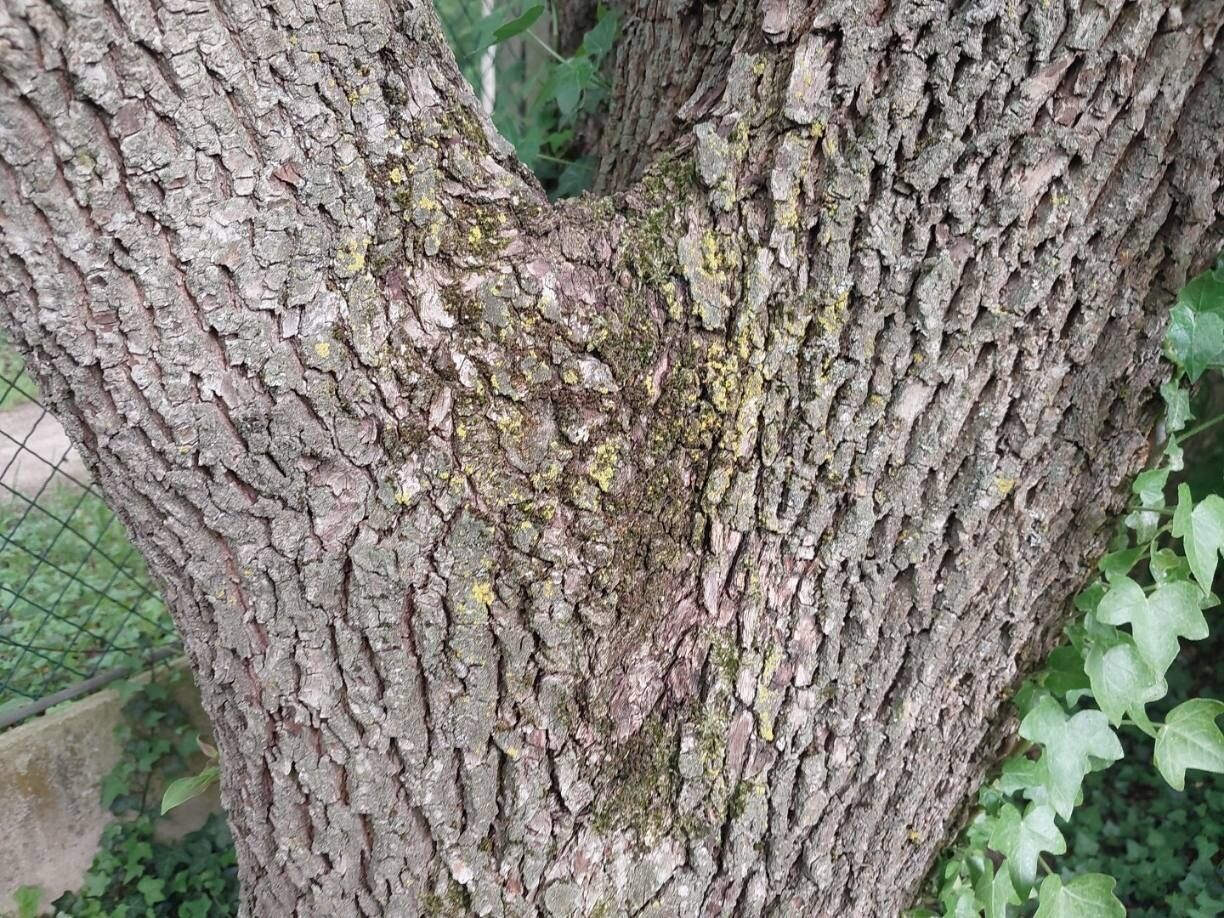
Well hello there, fellow garden enthusiasts! It’s so lovely to chat with you today about a truly delightful plant: Cornus quinquenervis, often called the Five-Nerved Dogwood. I’ve had these beauties gracing my garden for years, and their elegance is simply unmatched. The way their slender branches twist and turn, often adorned with delicate white flowers in spring, followed by attractive berries, makes them a real showstopper. And guess what? You can absolutely bring this charm into your own space by propagating them!
Now, before you get too excited, I want to be upfront. Propagating Cornus quinquenervis isn’t the absolute easiest task for a complete beginner, but it’s far from impossible. With a little care and attention to detail, you’ll be rewarded with beautiful new plants to share or cherish. Think of it as a rewarding challenge, a chance to deepen your connection with these wonderful plants.
The Best Time to Start
For Cornus quinquenervis, I find the late spring to early summer is your sweet spot. This is when the plant is actively growing, and the stems are mature enough to root, but not yet woody and hard. We’re looking for what we call “semi-hardwood” cuttings – stems that have started to firm up but are still a little flexible. This stage offers the best balance of vigor and rooting potential.
Supplies You’ll Need
Before you dive in, let’s gather our tools. Having everything ready will make the process so much smoother.
- Sharp Pruning Shears or Knife: Cleanliness is key here to prevent disease.
- Rooting Hormone: A powdered or gel form will give your cuttings a significant boost.
- Small Pots or Seed Trays: About 4-6 inch pots work well.
- Well-Draining Potting Mix: A good blend is 50% peat moss or coco coir and 50% perlite or sharp sand.
- Plastic Bags or a Propagator: To create a humid environment.
- Labels and a Pen: Don’t forget to label your cuttings!
- Optional: Bottom Heat Mat: This can really accelerate root development.
Propagation Methods
Let’s get our hands dirty! For Cornus quinquenervis, stem cuttings are usually the most successful route.
Semi-Hardwood Stem Cuttings
- Select Your Stems: Choose healthy, non-flowering stems from your mature plant. They should feel slightly firm but still have a bit of flexibility.
- Take Your Cuttings: Using your sharp, clean shears, cut lengths of stem about 4-6 inches long. Make your cuts just below a leaf node (where a leaf sprouts from the stem).
- Prepare the Cuttings: Gently remove the leaves from the bottom half of the cutting. If any leaves are very large, you can cut them in half horizontally to reduce water loss. You want to keep a few leaves at the top to help with photosynthesis.
- Apply Rooting Hormone: Dip the bottom end of each cutting into your rooting hormone, ensuring it’s coated. Tap off any excess.
- Plant Your Cuttings: Fill your pots with the prepared potting mix. Make a hole in the center of the mix with your finger or a pencil. Insert the prepared end of the cutting into the hole, about 1-2 inches deep, and gently firm the soil around it. You can place several cuttings in one pot, spacing them a few inches apart.
- Create a Humid Environment: Water the soil gently. Then, cover the pots with a clear plastic bag or place them in a propagator. You can use a few skewers to keep the bag from touching the leaves.
The “Secret Sauce” (Pro Tips)
Here are a couple of tricks I’ve learned over the years that really make a difference.
- Don’t Drench, Just Dampen: When you water your cuttings after planting, you want the soil to be evenly moist, not waterlogged. Soggy conditions are a fast track to rot. The plastic bag will help hold in moisture, so don’t go overboard with watering.
- Bottom Heat is Your Friend: If you can swing it, placing your pots on a gentle bottom heat mat (around 70-75°F or 21-24°C) works wonders. This encourages root formation from below, significantly speeding up the process and increasing your success rate.
Aftercare & Troubleshooting
Once your cuttings are planted, place them in a bright spot that receives indirect sunlight. Keep the soil consistently moist but not soggy. You’ll want to open the plastic bag daily for a few minutes to allow for air circulation and prevent fungal issues.
You’ll know your cuttings are rooting when you see new leaf growth appear. This usually takes anywhere from 4-8 weeks, sometimes longer. Gently tug on a cutting – if you feel resistance, roots are forming! Once established, you can gradually introduce them to lighter conditions and eventually transplant them into their own larger pots.
The most common issue you’ll encounter is rot. If a cutting turns black and mushy, it’s likely succumbed to rot. This is usually due to overwatering or poor drainage. If you see any signs of rot, remove the affected cutting immediately to prevent it from spreading.
A Encouraging Closing
Remember, gardening is a journey, and propagation is a beautiful part of that process. Be patient with your Cornus quinquenervis cuttings. Some may take longer than others, and not every single one will make it – that’s perfectly normal! Enjoy the anticipation, the new growth, and the immense satisfaction of creating new life from a simple cutting. Happy propagating!
Resource:
https://identify.plantnet.org/k-world-flora/species/Cornus%20quinquenervis%20Franch./data