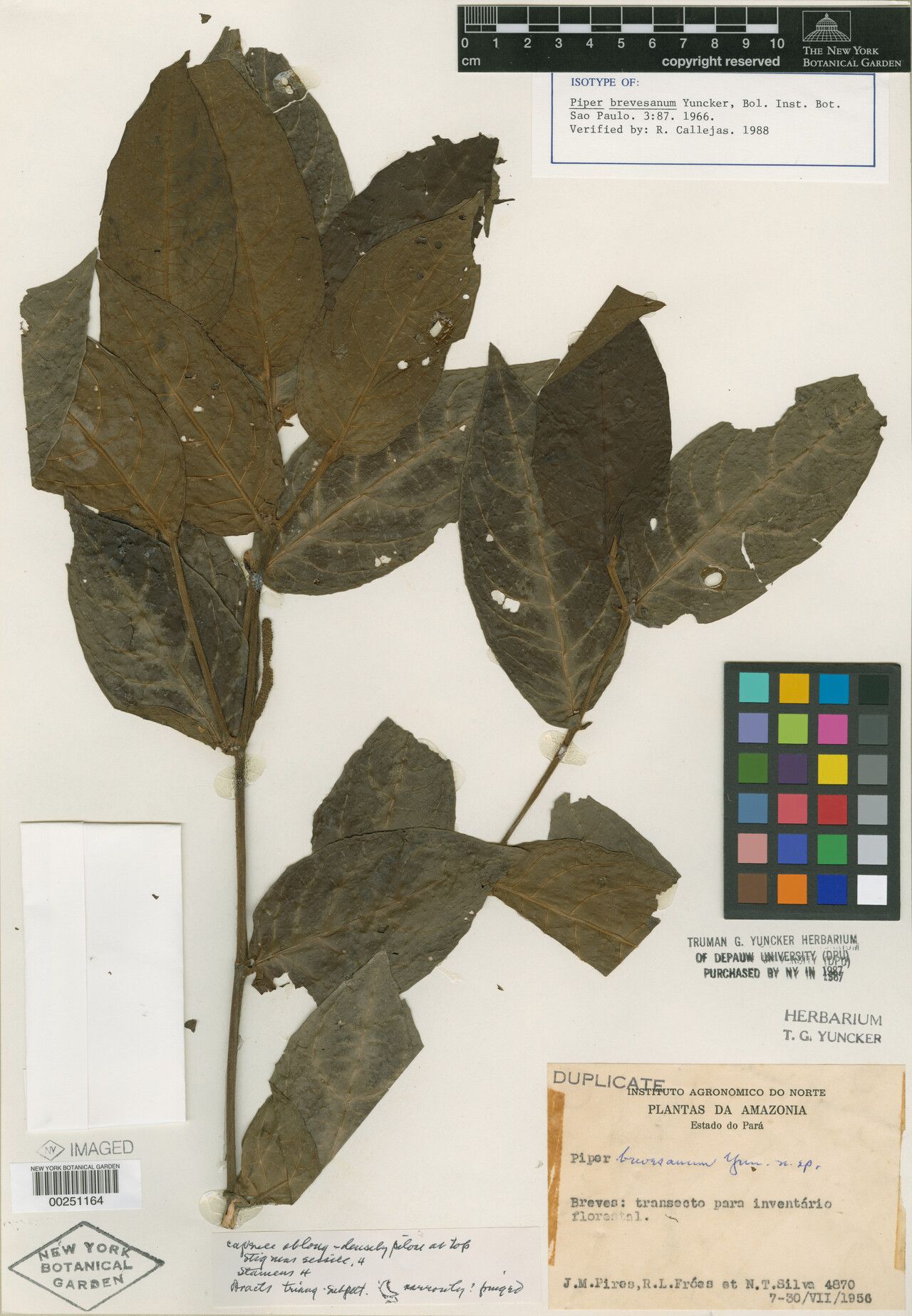
Hey there, fellow plant lovers! I’m so excited to chat with you today about a truly special plant: Piper brevesanum. If you’re looking for something with that wonderfully wild, tropical vibe, you’ve found it. Its unique, often velvety leaves bring a touch of the exotic right into our homes. And the best part? Propagating it yourself is incredibly rewarding. For beginners, I’d say it’s a moderately easy plant to work with. With a little attention, you’ll be sharing these beauties in no time!
The Best Time to Start
For the highest success rate with Piper brevesanum, spring and early summer are your golden windows. This is when the plant is actively growing and has the most energy to put into producing new roots. You’re essentially piggybacking on its natural growth spurt, which makes the whole process much smoother.
Supplies You’ll Need
Here’s a little kit to get you started on your propagation journey:
- Sharp, clean pruning shears or a knife: This is crucial for making clean cuts, which helps prevent disease.
- Well-draining potting mix: I like a blend of good quality potting soil mixed with perlite and orchid bark. It needs to be airy!
- Small pots or propagation trays: Terracotta pots are great because they breathe.
- Rooting hormone (optional but recommended): A powdered form works well.
- Plastic bags or a clear dome: To create a humid environment.
- Spray bottle: For misting.
- Small labels and a marker: Trust me, you’ll thank yourself later!
Propagation Methods
Let’s get our hands dirty with the most reliable ways to multiply your Piper brevesanum.
Stem Cuttings
This is my go-to method for this plant.
- Select a healthy stem: Look for a mature stem that’s not too woody but also not brand new and floppy. You want a stem with at least two to three sets of leaves.
- Make the cut: Using your clean shears, cut the stem just below a leaf node. A leaf node is where a leaf attaches to the stem – this is where roots are most likely to emerge. Aim for a cutting that’s about 4-6 inches long.
- Prepare the cutting: Gently remove the lower leaves, leaving just the top set or two. If your leaves are very large, you can even cut them in half to reduce water loss.
- Apply rooting hormone (optional): Dip the cut end into your rooting hormone, tapping off any excess.
- Plant your cutting: Fill your small pot with your prepared potting mix. Make a small hole with your finger or a pencil and insert the cut end of the stem. Gently firm the soil around it.
- Create humidity: Water the soil thoroughly but gently. Then, pop a plastic bag over the pot or place it under a clear dome. Make sure the plastic doesn’t touch the leaves too much – you can use stakes to prop it up if needed.
Water Propagation
This method is super satisfying to watch!
- Take your cutting: Follow steps 1-3 from the stem cutting method.
- Place in water: Find a clean jar or vase and fill it with clean, room-temperature water.
- Submerge the node: Place the cutting in the water, ensuring that at least one leaf node is submerged. Crucially, make sure no leaves are touching the water. If they are, they’ll rot, and your cutting will likely fail.
- Find a bright spot: Place the jar in a bright location, but out of direct, harsh sunlight.
- Change the water regularly: Every few days, or whenever the water looks cloudy, change it out for fresh water.
The “Secret Sauce” (Pro Tips)
Here are a few things I’ve learned over the years that make a big difference:
- Bottom Heat is Your Friend! Especially for stem cuttings, placing your pots on a seedling heat mat can dramatically speed up root development. It mimics the warmth of the soil from spring.
- Don’t Overwater! This is probably the MOST common mistake. Cuttings in soil can rot easily if they stay too wet. Let the top inch of soil dry out slightly between waterings once it’s established. For water propagation, fresh water is key!
- Patience is a Virtue (and a Necessity!): Piper brevesanum can be a bit of a slow starter. Don’t get discouraged if you don’t see roots immediately. It can take several weeks, or even a couple of months, for them to form.
Aftercare & Troubleshooting
Once roots appear – hooray! For stem cuttings, you’ll usually see new leaf growth as a sign of successful rooting. For water propagation, you’ll see roots peeking out from the nodes.
- For water-propagated cuttings: Once the roots are about an inch long, it’s time to pot them up. Gently plant them in your well-draining potting mix, just as you would a stem cutting. Continue to keep them in a humid environment for a week or two.
- For soil-propagated cuttings: Once you see new growth, you can gradually acclimate them to lower humidity. Remove the plastic bag for a few hours each day, slowly increasing the time until the bag is no longer needed. Continue watering when the top inch of soil feels dry.
Troubleshooting: The most common issue is rot. If your cutting looks mushy, black, or smells funky, it’s likely rotted. This is usually due to too much moisture and not enough air circulation. If you catch it early, you might be able to salvage a healthy section if it’s a stem cutting. In water propagation, mushy, black stems or leaves mean you need to start over, making sure to change the water and avoid those submerged leaves next time.
A Encouraging Closing
Propagating plants is such a beautiful way to connect with nature and gain a deeper understanding of how they grow. Be patient with your Piper brevesanum cuttings. Each little sprout is a testament to your care and effort. Don’t be afraid to experiment a little, and most importantly, enjoy the process of watching new life emerge! Happy growing!
Resource:
https://identify.plantnet.org/k-world-flora/species/Piper%20brevesanum%20Yunck./data