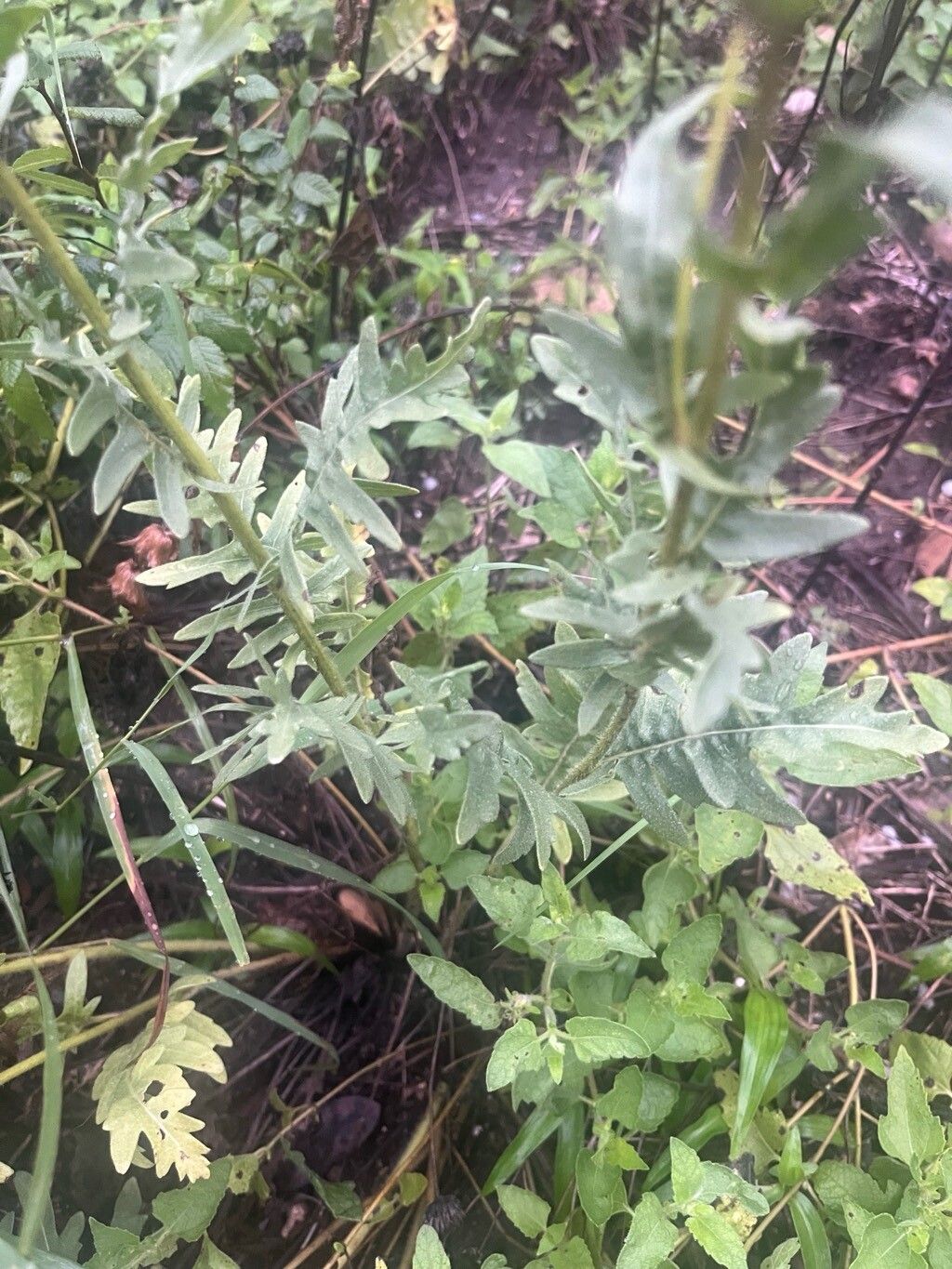
Hello there, fellow garden enthusiasts! It’s me, back with another plant propagation deep-dive. Today, we’re going to get up close and personal with Engelmannia peristenia, often called Engelmann’s daisy. If you’re looking for a cheerful addition to a sunny spot in your garden, this is a real winner. Its bright, daisy-like blooms bring so much life, and trust me, multiplying these beauties is incredibly satisfying. For those just dipping their toes into the world of propagation, I’d say Engelmannia peristenia is moderately easy. It’s not quite as fuss-free as a simple succulent, but you’ll get the hang of it quickly!
The Best Time to Start
Honestly, my favorite time to get started with Engelmannia peristenia is in late spring or early summer. This is when the plant is in its active growth phase. You’ll find it pushing out lots of new stems, which are perfect for taking cuttings. Waiting until after the first flush of blooms has finished is a good cue. It gives the plant a little breather before you start asking it to make babies!
Supplies You’ll Need
To give our little plantlets the best start, here’s what I keep handy:
- Sharp, clean pruning shears or a sharp knife: A clean cut is crucial to prevent disease.
- Rooting hormone powder (optional but recommended): This really gives cuttings a boost.
- Well-draining potting mix: A good general-purpose potting mix often works, but I like to add a bit of perlite or coarse sand to ensure it’s nice and airy.
- Small pots or seedling trays: Clean ones, of course!
- Plastic bags or a propagation dome: To create a humid environment.
- Spray bottle: For misting.
- Labels: To keep track of what you’ve planted and when!
Propagation Methods
Engelmannia peristenia is a pretty straightforward plant to propagate, and I find stem cuttings to be my go-to method. It’s reliable and yields great results.
Stem Cuttings:
- Select your source: Look for healthy, non-flowering stems that are at least 4-6 inches long. These are often referred to as “softwood” or “semi-hardwood” cuttings.
- Make the cut: Using your sharp, clean shears, cut the stem just below a leaf node (where a leaf attaches to the stem). This is where root development is most likely to occur. Remove any flowers or developing buds from the cutting.
- Prepare the cutting: Gently strip off the lower leaves, leaving just a few at the top. This prevents them from rotting once you plant the cutting.
- Dip in rooting hormone (optional): If you’re using it, lightly dip the cut end into the rooting hormone powder. Tap off any excess.
- Plant your cutting: Fill your pots or trays with your well-draining potting mix. Make a small hole with your finger or a pencil. Insert the cut end of the stem into the hole, ensuring it’s deep enough to be stable. Gently firm the soil around the base.
- Water gently: Water the soil thoroughly but gently. You don’t want to dislodge the cutting.
- Create humidity: Cover the pot or tray with a plastic bag or a propagation dome. This is key to keeping the cuttings from drying out while they try to root. Make sure the leaves don’t touch the plastic!
The “Secret Sauce” (Pro Tips)
Here are a few things I’ve learned over the years that really make a difference:
- Bottom Heat is Your Friend: Propagating plants like Engelmannia peristenia often benefits from a little warmth from below. I use a seedling heat mat placed under the pots. This encourages root formation much faster than without it, especially if your ambient room temperature isn’t super warm.
- Don’t Overwater, Ever! This is probably the most common mistake. It’s tempting to keep cuttings constantly moist, but soggy soil leads to rot, and that’s the end of your propagation dreams. I water thoroughly when planting, then wait until the soil surface feels dry to the touch before misting or watering again. The humidity cover does most of the work.
- A Little Airflow Goes a Long Way: While you want to maintain humidity, you also need to prevent fungal diseases. I lift the plastic bag or dome for a few minutes each day to allow for a bit of airflow. It’s a balancing act, but very important.
Aftercare & Troubleshooting
Once you start to see signs of new growth – tiny leaves unfurling or the cutting resisting a gentle tug – that’s a good indication that roots are forming! At this point, you can gradually acclimate your new plant to open air by slowly increasing the time you leave the bag or dome off. Once it’s happy and growing on its own, you can transplant it into a slightly larger pot with fresh potting mix.
The most common problem you’ll encounter is rot. If you see your cutting turning mushy and black, it’s usually due to overwatering and lack of airflow. If you catch it early, you might be able to salvage other cuttings by ensuring they have better drainage and air circulation. Yellowing leaves can sometimes signal too much direct sun too soon, or insufficient watering without the humidity cover. Just observe your plants closely!
A Little Patience Goes a Long Way
Propagating plants is such a rewarding journey. It connects you with the life cycle of your plants in a beautiful way. Don’t be discouraged if your first few attempts aren’t perfect. Keep an eye on your cuttings, offer them the right conditions, and most importantly, enjoy the process of nurturing new life. Happy gardening!
Resource: