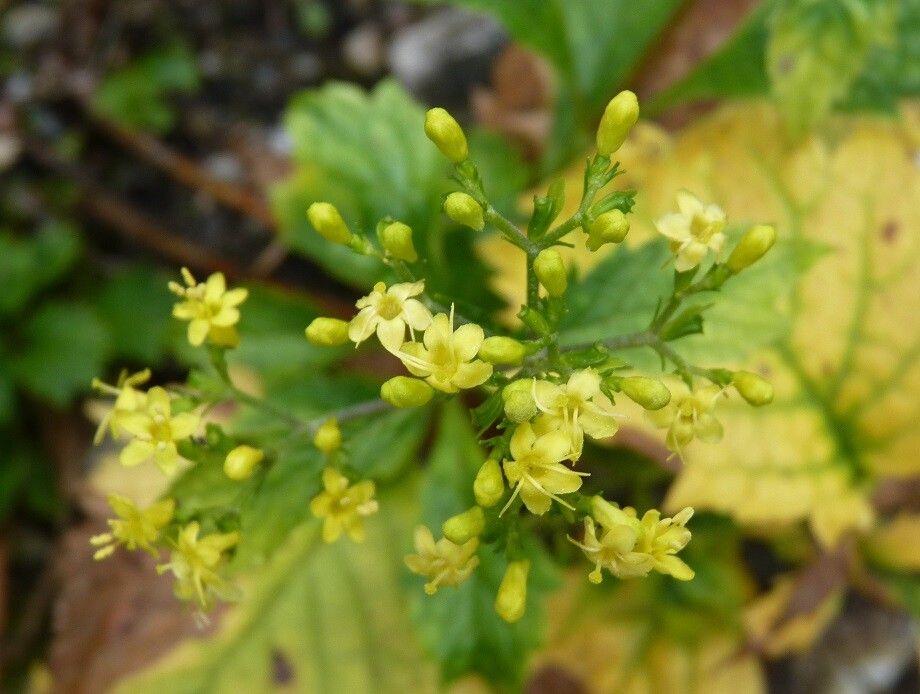
Hello fellow garden lovers! Today, we’re diving into the wonderful world of Patrinia heterophylla. If you’re drawn to delicate, nodding blooms and a touch of wild elegance in your garden, you’re in for a treat. This lovely perennial offers a soft, airy presence, and I find its graceful charm so rewarding to cultivate. Propagating it is a fantastic way to fill your garden with more of its magic, and I’m here to guide you through it.
Now, let’s talk about bringing new life into your garden. Some plants can be a bit finicky, but I’ve found Patrinia heterophylla to be surprisingly amenable to propagation. It’s quite accessible for those new to the plant propagation game, which makes it all the more exciting!
The Best Time to Start
Timing is everything when coaxing new plants into existence. For Patrinia heterophylla, the sweet spot for propagation is during its active growth period, typically in late spring or early summer. This is when the plant has plenty of energy stored up and is ready to channel it into root development. Trying to propagate when the plant is dormant is like asking for a marathon runner to start training after hibernation – it’s just not the optimal time.
Supplies You’ll Need
Before we get our hands dirty, let’s gather our toolkit. Having everything ready will make the process smooth and enjoyable.
- Sharp, sterile pruning shears or a sharp knife: Essential for clean cuts that heal quickly.
- Potting mix: A well-draining mix is crucial. I like to use a blend of equal parts peat moss, perlite, and compost. You want good aeration so those young roots can breathe.
- Small pots or seed trays: Clean ones, of course! Anything from small terracotta pots to plastic cell trays will work.
- Rooting hormone (optional but recommended): This is like a little boost of confidence for your cuttings. Powder or gel forms are fine.
- Watering can or spray bottle: For gentle hydration.
- Plastic bags or a propagation dome: To create a humid environment for cuttings.
Propagation Methods
Patrinia heterophylla is a plant that responds well to a couple of different propagation techniques. I find stem cuttings to be the most reliable way to get a good number of new plants.
Stem Cuttings
- Select your cuttings: In late spring or early summer, look for healthy, non-flowering stems from your mature Patrinia. You want stems that are firm but not woody. Aim for pieces that are about 4-6 inches long.
- Make the cut: Using your clean shears or knife, make a clean cut just below a leaf node. Leaf nodes are those little bumps on the stem where leaves emerge. Roots will often form from these points. Remove any lower leaves, leaving just a couple at the top to allow the plant to photosynthesize.
- Apply rooting hormone (optional): If you’re using rooting hormone, dip the cut end of the stem into the powder or gel. This helps to stimulate root growth.
- Plant the cuttings: Fill your pots with your prepared potting mix. Make a small hole in the center with your finger or a pencil. Insert the cut end of the stem into the hole, ensuring the leaf nodes you removed are below the soil surface. Gently firm the soil around the cutting.
- Water gently: Water thoroughly but gently, so you don’t dislodge the cuttings.
- Create humidity: Cover the pots with a plastic bag or a propagation dome. This traps moisture and creates the humid environment that cuttings need to thrive. You can prop the bag up with stakes or skewers so it doesn’t touch the leaves. Place them in a bright spot that doesn’t receive direct, scorching sun.
- Be patient: Keep the soil consistently moist but not waterlogged. Check periodically for new growth.
Division
This is a great option if your established Patrinia clump is getting a bit too large or you simply want more plants.
- Dig carefully: In early spring, before new growth really takes off, gently dig up your Patrinia clump.
- Separate the roots: You can often gently pull the clump apart with your hands. If there are more stubborn sections, use a clean trowel or spade to divide it. Make sure each division has a good portion of roots and at least a couple of healthy shoots.
- Replant: Immediately replant the divisions in their new locations or in pots with fresh potting mix. Water them in well.
The “Secret Sauce” (Pro Tips)
Here are a couple of little tricks I’ve learned over the years that can really up your success rate:
- When using stem cuttings, never let the leaves of the cutting touch the surface of the water if you’re trying water propagation (though I find soil is generally more successful for Patrinia). Submerged leaves tend to rot quickly and can take the whole cutting with them.
- While Patrinia doesn’t absolutely require it, if you have a propagation mat or a warm windowsill, providing a little bottom heat can significantly speed up root formation for your stem cuttings. It mimics the warmth of summer soil and gives those roots a real nudge.
Aftercare & Troubleshooting
Once you see signs of new growth, like tiny leaves emerging from your cuttings, it’s a good indication that roots are forming. Congratulations!
- Gradually acclimate: Once roots are established, slowly acclimate your new plants to less humid conditions. Remove the plastic bag or dome for a few hours each day, gradually increasing the time until they are used to ambient humidity.
- Transplant carefully: When the young plants are robust enough to handle, they can be transplanted into individual pots or their permanent garden spot.
- Watch for rot: The most common issue you might encounter is rot. This usually happens from overwatering or poor drainage. If a cutting looks limp, soggy, and maybe has a black, mushy base, it’s likely succumbed to rot. Unfortunately, there’s not much you can do once rot sets in. It’s a good reminder to err on the side of slightly drier conditions if you’re unsure.
- Drying out: The opposite problem is drying out, which will cause the leaves to wilt and turn brown. This is why maintaining consistent moisture is so important.
A Encouraging Closing
Growing new plants from cuttings or divisions is one of the most rewarding aspects of gardening to me. It’s a tangible demonstration of nature’s resilience and your own growing skills. Remember that not every cutting will make it, and that’s perfectly okay! Be patient with your new Patrinia babies, give them a little TLC, and enjoy the process of nurturing them into their own beautiful forms. Happy gardening!
Resource:
https://identify.plantnet.org/k-world-flora/species/Patrinia%20heterophylla%20Bunge/data