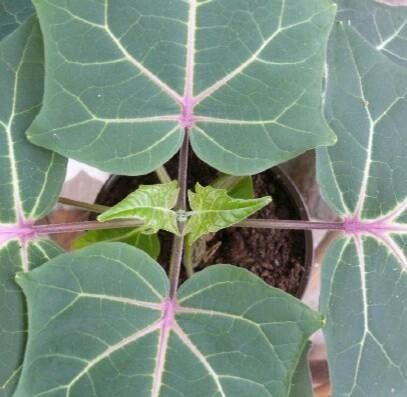
Oh, hello there! It’s so lovely to have you in my little corner of the gardening world. Today, we’re going to talk about a plant that truly captures my heart: Uncarina sakalava. If you’re a fan of unique, almost otherworldly looking plants, then this one is for you. Its fuzzy stems, curious claw-like seed pods, and often vibrant flowers make it a real conversation starter.
Propagating Uncarina sakalava is a wonderful way to get more of these fascinating plants for your collection, or even to share with fellow plant enthusiasts. Now, I won’t pretend it’s as straightforward as sticking a spider plant leaf in water, but with a little patience and care, it’s absolutely achievable. For beginners, I’d say it’s a moderately challenging plant, but the satisfaction when you see those first roots emerge is just immense!
The Best Time to Start
My experience tells me that spring and early summer are your golden ticket for propagating Uncarina sakalava. This is when the plant is in its active growing phase, brimming with energy. Cuttings taken during this time are much more likely to root successfully because the plant is naturally pushing out new growth and has plenty of stored reserves. Trying to propagate when the plant is dormant in winter is a recipe for disappointment.
Supplies You’ll Need
Before we dive in, let’s make sure you have everything at the ready. It’s like prepping for a baking session – having your ingredients lined up makes everything so much smoother.
- Sharp Pruning Shears or a Clean Knife: For clean cuts that heal quickly.
- Rooting Hormone (Optional but Recommended): A little boost can make a big difference. I like the powder form.
- Well-Draining Potting Mix: A mix designed for succulents or cacti is perfect. You can also create your own by combining potting soil, perlite, and coarse sand.
- Small Pots or Trays: Clean pots with drainage holes are essential.
- Watering Can or Spray Bottle: For gentle watering.
- Clear Plastic Bags or a Propagation Dome (Optional): To create a humid environment for cuttings.
Propagation Methods
There are a couple of excellent ways to get new Uncarina sakalava plants. I’ve found both to be quite effective.
1. Stem Cuttings: My Go-To Method
This is the most common and often the most successful approach.
- Take Your Cuttings: When you see healthy, new growth on your parent plant, select a stem that’s about 4-6 inches long. Using your sharp shears, make a clean cut just below a leaf node (that’s where a leaf grows from the stem).
- Prepare the Cutting: Gently remove the leaves from the bottom half of your cutting. This is important because any leaves submerged in soil or water will likely rot.
- Apply Rooting Hormone (If Using): Dip the cut end of the stem into your rooting hormone, tapping off any excess. This creates a protective layer and encourages root development.
- Potting Up: Fill your small pots with your well-draining potting mix. Make a small pilot hole in the center of the soil with your finger or a pencil.
- Insert the Cutting: Gently insert the cut end of the Uncarina stem into the pilot hole. Firm the soil around the cutting so it stands upright but isn’t packed too tightly.
- Initial Watering: Water the soil lightly. You want it to be moist, not waterlogged.
- Create Humidity: If you have a propagation dome, place it over the pot. Alternatively, you can cover the pot loosely with a clear plastic bag, making sure the leaves don’t touch the plastic. This traps moisture and helps the cutting stay hydrated until it can root.
2. Water Propagation (with Caution!)
While I lean towards soil propagation for these guys, you can try water.
- Follow Cutting Steps: Prepare your cuttings as described above, but skip the rooting hormone and potting.
- Place in Water: Put the prepared cuttings in a clean jar or glass filled with fresh water.
- Key Detail: This is crucial – ensure that NO leaves touch the water. Only the cut stem end should be submerged. Any foliage in the water is an invitation to rot.
- Regular Water Changes: Change the water every few days to keep it fresh and prevent bacteria buildup.
- Patience: You’ll need to wait for a decent root system to form before transplanting.
The “Secret Sauce” (Pro Tips)
After years of tinkering, I’ve picked up a few tricks that seem to really give my cuttings an edge.
- Callusing is Key: Before you pot up stem cuttings, let them sit in a dry, airy spot for a day or two. This allows the cut end to “callus over.” It’s like giving your plant a little scab to protect it from rot when it goes into the soil, significantly increasing your success rate.
- Bottom Heat Works Wonders: If you can, place your pots on a gentle heat mat designed for propagation. This warmth from below encourages root development much faster than ambient room temperature alone. Think of it as giving the roots a cozy little foot spa!
- Don’t Overwater! This is probably the most common mistake. Uncarina are prone to rot, especially when they don’t have roots yet. It’s much better to let the soil dry out slightly between waterings than to keep it constantly soggy.
Aftercare & Troubleshooting
Once you see those little white roots peeking out from the drainage holes, or a new leaf unfurling on your cutting, it’s time to celebrate!
- Transitioning: If you propagated in water, wait until the roots are at least an inch long before carefully transplanting them into your well-draining potting mix. If you propagated in soil, you can ease up slightly on the humidity once roots are established – that means removing the plastic bag or opening the dome for a few hours a day.
- Gradual Acclimation: Slowly introduce your new plants to more direct sunlight over a week or two. They’ve been in a sheltered environment, so a sudden blast of sun can shock them.
- Watering: Continue to water sparingly, allowing the soil to dry out between waterings.
- Signs of Trouble: The biggest culprit is rot. If your cutting turns black and mushy at the base, it’s likely rotted. This is usually a sign of overwatering or a lack of airflow. If you notice this, it might be time to take a fresh cutting from your healthy parent plant and try again, keeping those tip about callusing and watering in mind. Yellowing leaves on a cutting can sometimes mean it’s not getting enough light.
A Word of Encouragement
Gardening is a journey, and propagation is a beautiful part of that. Some cuttings will take off like little rockets, while others might be a bit more stubborn. Don’t get discouraged if your first attempt isn’t perfect. Every gardener has lost a cutting or two! Just keep observing your plants, learn from each experience, and most importantly, enjoy the process of nurturing new life. Happy propagating!
Resource:
https://identify.plantnet.org/k-world-flora/species/Uncarina%20sakalava%20Humbert/data