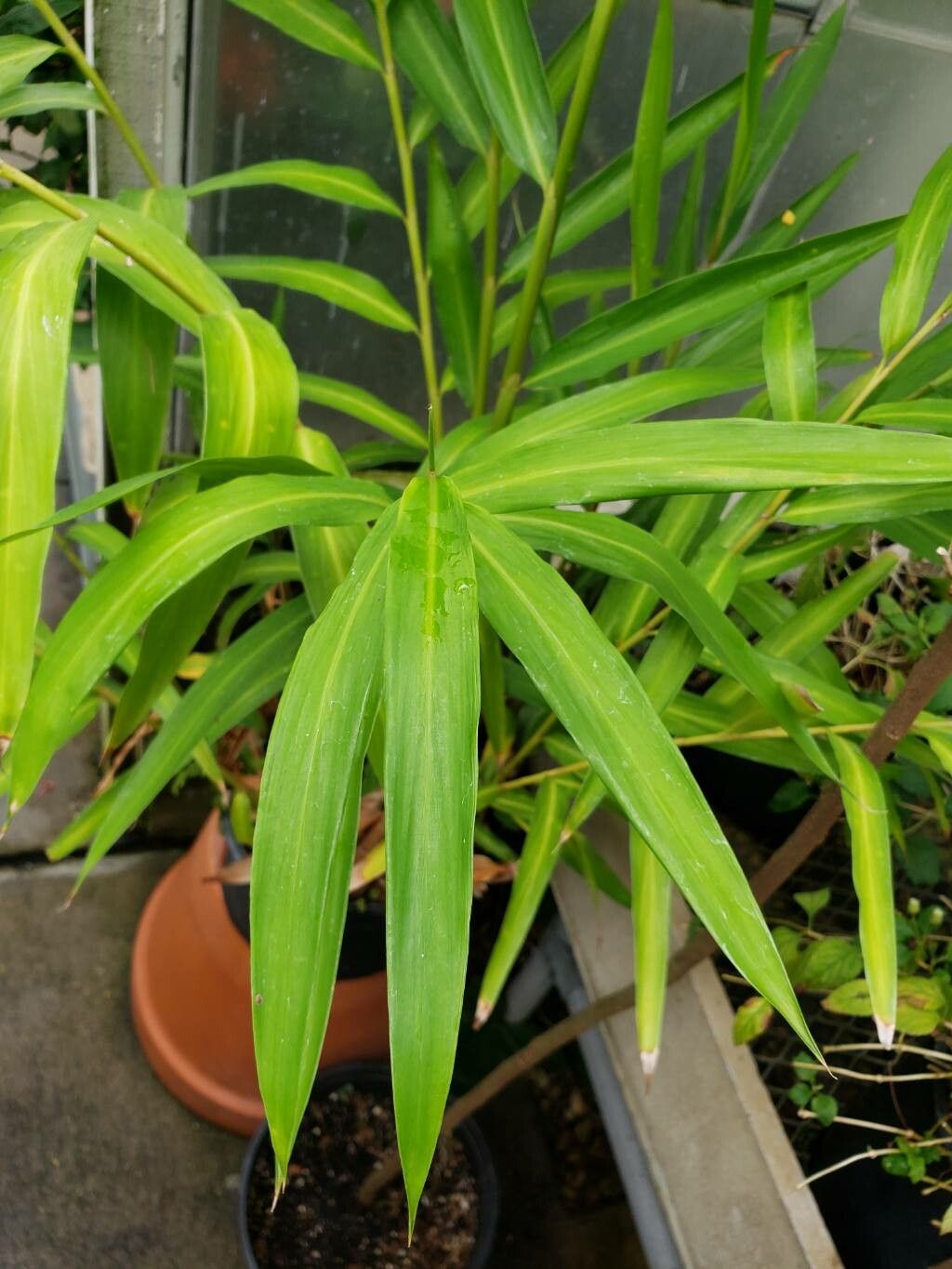
Oh, hello there! Pull up a chair and let’s chat about one of my favorite tropical beauties: Alpinia elegans, or the Dwarf Ginger Lily. If you’ve ever seen these lush, arching plants with their delicate white blooms, you’ll know exactly why I’m so smitten. They bring a touch of the tropics right into our homes and gardens, and the best part? They’re surprisingly easy to multiply!
For those of you just dipping your toes into the plant propagation world, I’d say Alpinia elegans is a wonderfully welcoming choice. It’s definitely on the easier side, meaning you’ll likely have success and feel that wonderful gardener’s triumph sooner rather than later. Plus, sharing these new little beauties with friends feels just as rewarding as watching them grow.
The Best Time to Start
Generally, the spring and summer months are your golden ticket for propagating Alpinia elegans. This is when the plant is in its active growing phase, meaning it has plenty of energy to put towards developing new roots and shoots. Look for new, vigorous growth – those are the bits just begging to be a new plant! Waiting until after your plant has finished its main blooming cycle is also a good idea.
Supplies You’ll Need
Gathering your tools ahead of time makes the whole process much smoother. Here’s what I keep handy:
- Sharp Pruning Shears or a Clean Knife: For making neat cuts.
- Well-Draining Potting Mix: A mix formulated for aroids or a general potting mix amended with perlite or orchid bark works beautifully.
- Small Pots or Seedling Trays: With drainage holes, of course!
- Rooting Hormone (Optional but Recommended): A powdered or liquid form can give your cuttings a helpful boost.
- Clear Plastic Bag or Dome Lid: To create a mini-greenhouse effect.
- Watering Can or Spray Bottle: For gentle watering.
- Labels and a Pen: To keep track of what’s what.
Propagation Methods
Alpinia elegans is a rhizomatous plant, meaning it grows underground stems. This makes propagation by division incredibly straightforward and my go-to method.
Method 1: Division (My Favorite!)
- Gently Remove from Pot: Carefully take your Alpinia elegans out of its current container. You might need to loosen the soil around the edges with a trowel or knife.
- Inspect the Rhizomes: You’ll see thick, fleshy underground stems. Look for sections that have at least one or two healthy shoots or buds.
- Divide with Care: Using your clean pruning shears or knife, carefully separate these sections. Try to make a clean cut through the rhizome. If you want to be absolutely sure about cleanliness, you can dip your tool in rubbing alcohol between cuts.
- Plant the Divisions: Pot each division into its own container filled with your well-draining potting mix. Ensure the top of the rhizome is just at or slightly below the soil surface.
- Water Lightly: Give each new pot a gentle watering. You don’t want to drench it, just moisten the soil.
Method 2: Stem Cuttings (For the Adventurous!)
This method can be a little trickier but is still very doable.
- Select a Healthy Stem: Look for a young, pliable stem with at least two leaf nodes (where the leaves attach to the stem).
- Make a Clean Cut: Using your sharp shears or knife, cut the stem just below a leaf node. Aim for a cutting about 4-6 inches long. Remove the lower leaves, leaving just one or two at the very top.
- Apply Rooting Hormone (Optional): Dip the cut end of the stem into rooting hormone, tapping off any excess.
- Plant the Cutting: Insert the cut end of the stem into your prepared potting mix, making sure the leaf nodes are buried as they will develop roots.
- Water and Cover: Water gently and cover the pot with a clear plastic bag or a dome lid to maintain humidity.
The “Secret Sauce” (Pro Tips)
Here are a couple of tricks I’ve learned over the years that really help boost success:
- Don’t Let Those Leaves Drip! Whether you’re doing a division or a cutting, if any leaves are touching the surface of the soil, or if you’re doing water propagation (though I prefer soil), gently remove them or trim them. This prevents rot from setting in. Moisture sitting on leaves can encourage fungal issues before the plant even gets a chance to establish itself.
- A Little Warmth Goes a Long Way: For stem cuttings especially, placing the pot on a heat mat designed for seedlings can significantly speed up root development. Ginger lilies love a bit of warmth, and this mimics the conditions you’d find in their native tropical habitat. It really does make a difference!
Aftercare & Troubleshooting
Once your Alpinia elegans divisions or cuttings are planted, give them a consistently moist, but not waterlogged, environment. Place them in bright, indirect light. Avoid direct sun, which can scorch those tender new leaves or cuttings.
If you’ve used the plastic bag or dome method, ventilate it daily for a few minutes to prevent excessive moisture buildup and reduce the risk of fungal diseases.
Within a few weeks to a couple of months, you should start to see new growth emerging from the soil. The leaves might start to look a bit perkier, and you might even feel a slight resistance if you gently tug on a cutting.
The most common sign of trouble is rot. If your cuttings turn mushy and black at the base, or if divisions start to yellow and wilt dramatically with no signs of new growth, it’s often a sign of too much moisture and not enough air circulation. Don’t despair! Sometimes, if you catch it early, you can try re-potting in fresh, drier soil or trimming away the rotten parts. It’s all part of the learning curve.
A Little Patience, A Lot of Reward
Propagating Alpinia elegans is such a fulfilling endeavor. It’s a journey of observation, a touch of gentle coaxing, and a whole lot of rewarding patience. Don’t be discouraged if your first attempt isn’t perfect. Each plant and each cutting is a unique learning experience. Just keep nurturing them, and you’ll soon be surrounded by even more of these gorgeous ginger lilies. Happy propagating!
Resource:
https://identify.plantnet.org/k-world-flora/species/Alpinia%20elegans%20(C.Presl)%20K.Schum./data