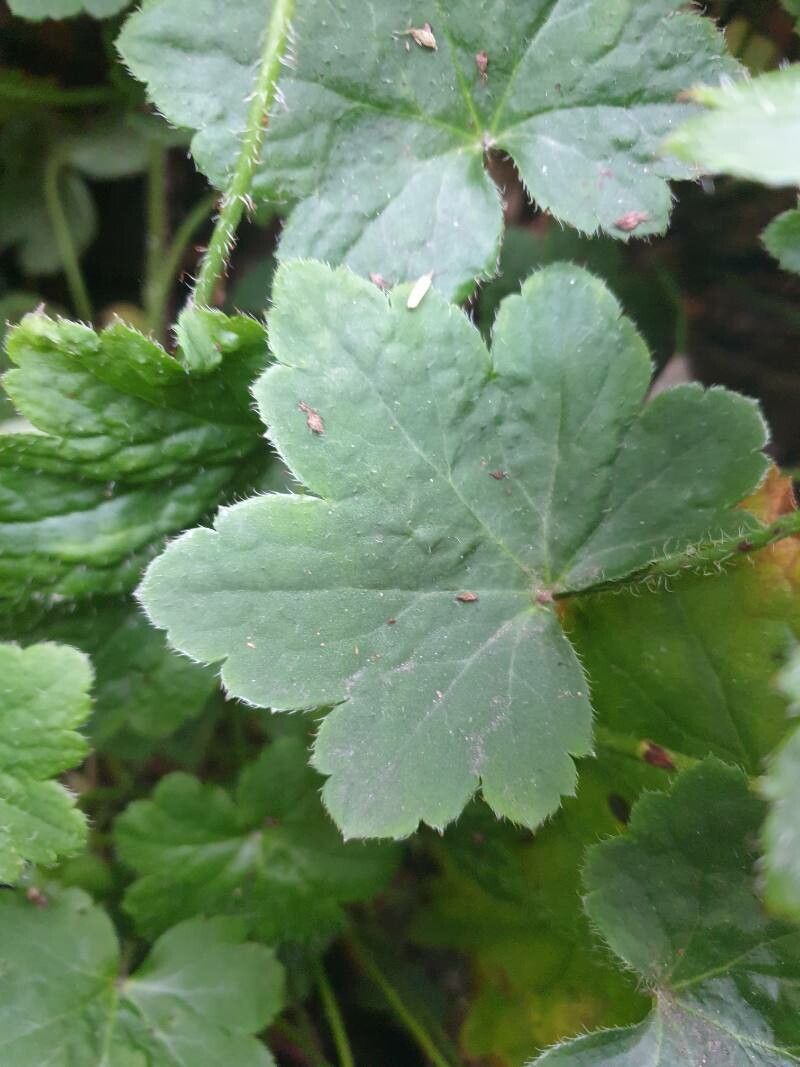
Hello fellow garden enthusiasts! Welcome back to my little corner of the internet. Today, we’re diving into the wonderful world of Heuchera richardsonii, also known as the common Heuchera or Alumroot. These beauties are a staple in many gardens, and for good reason! Their attractive foliage, ranging from deep purples and vibrant reds to lime greens and marbled patterns, adds incredible texture and color. Plus, they send up delicate flower spikes that attract pollinators.
If you’re looking for a rewarding propagation project, you’re in luck. Heuchera richardsonii is generally considered quite easy to propagate, making it a fantastic choice for beginners and seasoned gardeners alike. It’s so satisfying to watch a tiny cutting or division grow into a full, lush plant!
The Best Time to Start
When it comes to getting the most bang for your buck, late spring to early summer is your golden window. This is when the plants are actively growing and have plenty of energy to dedicate to root development. Think of it as their prime growth spurt – the perfect time to encourage them to unfurl new roots.
Supplies You’ll Need
Before we get our hands dirty, let’s gather our essentials. It’s always good to be prepared!
- Sharp, clean pruning shears or a craft knife: For making clean cuts. Sterilize them with rubbing alcohol between uses to prevent disease.
- Potting mix: A well-draining mix is crucial. I like to use a blend of equal parts peat moss or coco coir, perlite, and compost.
- Small pots or trays: With drainage holes, of course!
- Rooting hormone (optional but recommended): This can give your cuttings a helpful boost.
- Dibber or pencil: To make planting holes.
- Watering can or spray bottle: For gentle watering.
- Labels and a marker: To keep track of your precious new plants!
- Plastic bag or propagation dome: To maintain humidity.
Propagation Methods
Heuchera richardsonii is quite versatile, and you have a couple of excellent methods to choose from.
Division: The Most Straightforward Approach
This is my go-to method for Heuchera, especially with established plants. It’s like giving your plant a spa day and getting new babies in return!
- Gently unearth: In late spring or early summer, carefully dig up your Heuchera plant. It’s best to do this when the soil is slightly moist, not bone dry or waterlogged.
- Clean the roots: Gently brush away excess soil so you can clearly see the crown and root system.
- Prepare to divide: Look for natural divisions. You’ll see where the plant has grown outwards, forming multiple crowns. You can often carefully pull these apart with your hands. If a division is stubborn, use your clean pruning shears to cut through the roots.
- Ensure each division has roots and at least one crown: This is key for the new plant’s survival.
- Replant immediately: Plant each division into a pot filled with your well-draining potting mix. Make sure the crown is just at soil level, not buried too deep.
- Water well and place in partial shade: Keep them consistently moist but not waterlogged.
Stem Cuttings: For Those Eager for More
If you want to multiply your collection, stem cuttings are a great option!
- Take cuttings: In late spring or early summer, choose healthy, non-flowering stems. Using your sharp shears, cut a stem about 3-4 inches long, just below a leaf node (where a leaf meets the stem).
- Prepare the cutting: Remove the lower leaves, leaving just a couple of leaves at the top. This reduces water loss.
- Apply rooting hormone (optional): Dip the cut end into rooting hormone, tapping off any excess.
- Pot it up: Make a hole in your well-draining potting mix with a pencil or dibber. Insert the cutting into the hole, firming the soil gently around it.
- Create humidity: Water gently and then cover the pot with a plastic bag or propagation dome. You want to create a mini-greenhouse effect.
- Place in bright, indirect light: Keep the soil consistently moist.
The “Secret Sauce” (Pro Tips)
Now, for a few little tricks I’ve learned over the years that can really make a difference!
- Don’t drown your cuttings: When you water cuttings in pots, avoid letting them sit in a saucer full of water. This is a surefire way to encourage rot. Water from the top until it drains out the bottom, then let the excess drain away completely.
- Bottom heat is your friend: If you’re struggling to get cuttings to root, consider a heat mat. Many rooting hormones and plant tissues respond wonderfully to gentle bottom warmth. It encourages root development from the bottom up.
- Patience with divisions: Even with divisions, some might look a little sad for a week or two as they acclimate to their new home. Don’t panic! As long as you’ve provided good conditions, they’ll perk up.
Aftercare & Troubleshooting
Once you see signs of new growth emerging, it’s a good sign that roots are forming!
- Gradually acclimatize cuttings: If you’ve covered your cuttings, slowly begin to remove the cover over a few days to help them adjust to lower humidity.
- Watering: Continue to keep the soil consistently moist but not soggy. As they grow, you can gradually reduce watering frequency, allowing the top inch of soil to dry out between waterings.
- Fewer roots, less light: If your new plants are sitting in direct sun, they might struggle. Bright, indirect light is best until they are well-established.
The most common issue you’ll encounter is rot. This usually happens due to overwatering or poor drainage. If you see leaves turning yellow and mushy, or the base of your cutting looks blackened and soft, it’s likely rot. In this case, sadly, it’s often too late. To prevent it, always err on the side of slightly drier soil than too wet, and ensure excellent drainage.
A Encouraging Closing
Propagating Heuchera richardsonii is a deeply satisfying journey. It’s a chance to connect with your plants on a more intimate level and expand your garden’s beauty without breaking the bank. Remember to be patient with the process. Every gardener has had failures – it’s part of learning! Just keep trying, enjoy the learning curve, and soon you’ll have a whole new collection of these fabulous plants. Happy gardening!
Resource:
https://identify.plantnet.org/k-world-flora/species/Heuchera%20richardsonii%20R.Br./data