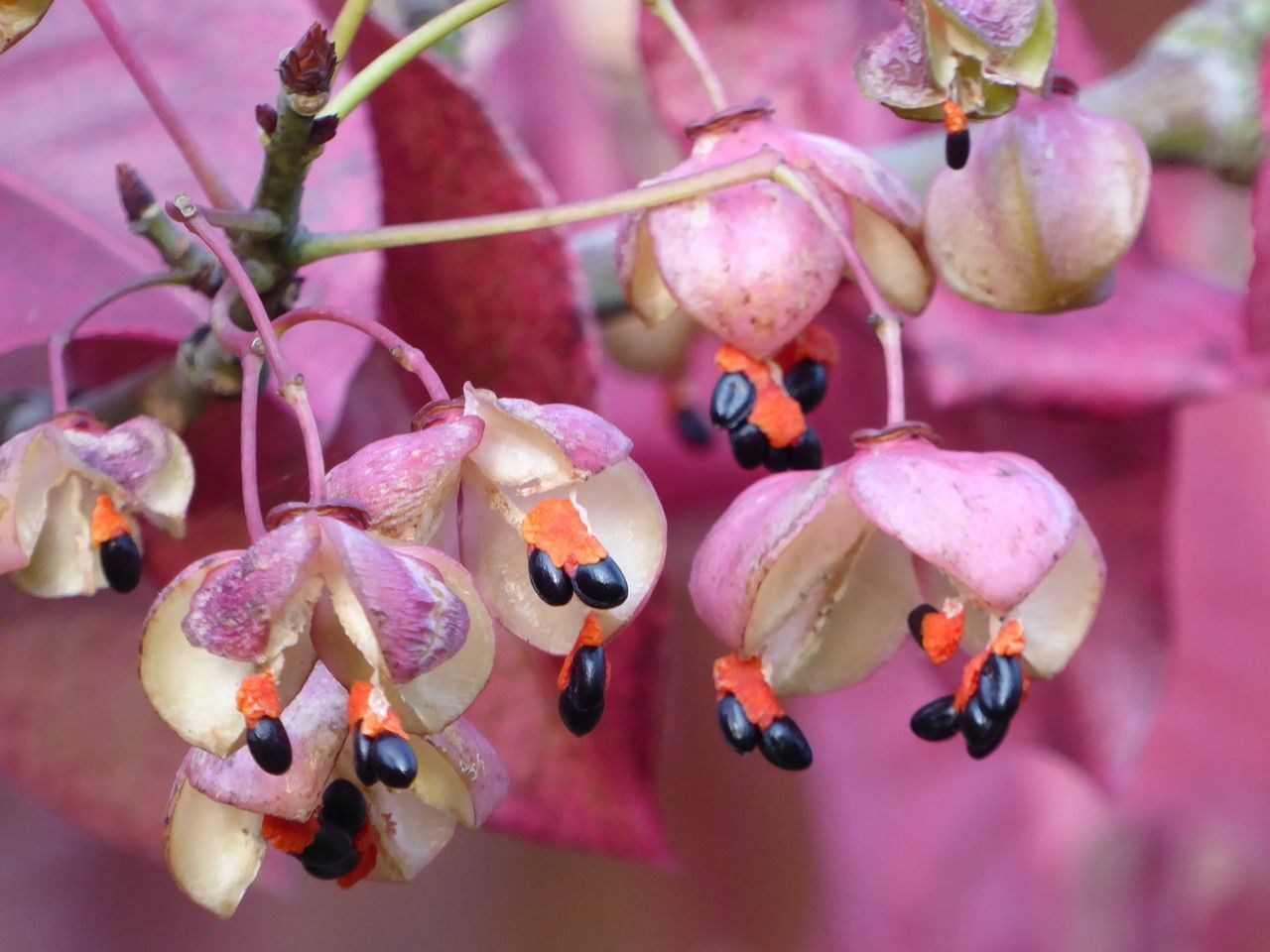
Hello, fellow plant lovers! I’m thrilled you’ve stumbled upon my little corner of the internet dedicated to all things green. Today, we’re diving into the wonderful world of Euonymus carnosus, a plant that has brought me so much joy over the years. Its glossy, richly colored leaves, especially those stunning variegated varieties, are absolute showstoppers in any garden or indoor space. And the best part? You can easily multiply that beauty yourself! Don’t worry if you’re new to propagation; Euonymus carnosus is quite forgiving, making it a fantastic choice for beginners looking to expand their leafy kingdom.
The Best Time to Start
When it comes to getting the most bang for your propagation buck, I find that late spring to early summer is truly the sweet spot for Euonymus carnosus. This is when the plant is actively growing and has plenty of vibrant new energy to draw from. You’ll be taking cuttings from current season’s growth that has started to firm up a bit. It’s not quite woody and hard, but not so soft and floppy that it won’t hold its shape.
Supplies You’ll Need
Here’s what I usually have on hand when I’m ready to propagate:
- Sharp Pruning Shears or a Clean Knife: For making clean cuts.
- Rooting Hormone (Optional but Recommended): Look for a powder or gel specifically designed for softwood cuttings.
- Small Pots or Seedling Trays: With drainage holes, of course!
- Well-Draining Potting Mix: A good blend is usually 50% perlite mixed with 50% peat moss or coco coir. You could also use a commercially available seed-starting mix.
- Plastic Bags or a Propagator Lid: To create a humid environment.
- Water: For moistening the soil and for water propagation.
Propagation Methods
Let’s get our hands dirty with the two most common and successful ways to propagate Euonymus carnosus.
Stem Cuttings
This is my go-to method for Euonymus. It’s reliable and yields a good number of new plants.
- Select Your Cuttings: Choose healthy, non-flowering shoots that are about 4-6 inches long. Look for stems that are semi-hardwood – they should bend a little but not snap easily.
- Make the Cut: Using your clean shears, make a cut just below a leaf node (where a leaf attaches to the stem). This is where the magic happens for root formation.
- Prepare the Cutting: Gently remove the lower leaves, leaving just a couple at the very top. If the top leaves are very large, I sometimes like to snip them in half to reduce water loss.
- Apply Rooting Hormone: Dip the cut end of the stem into your rooting hormone, tapping off any excess.
- Plant Your Cuttings: Make a hole in your prepared potting mix with a pencil or your finger. Insert the cutting, ensuring the hormone-coated end is in the soil. Firm the soil gently around the base.
- Create Humidity: Water the pots thoroughly until water drains from the bottom. Then, place the pots into a plastic bag, creating a mini-greenhouse. You can also use a propagator lid. Make sure the leaves aren’t pressed against the plastic.
- Find a Spot: Place the pots in a bright location, but out of direct sunlight.
Water Propagation
Sometimes, I like to see the roots develop, and water propagation is perfect for that.
- Prepare Your Cuttings: Follow steps 1-4 from the stem cuttings method.
- Place in Water: Put the prepared cuttings in a clean glass or jar filled with water. Ensure the leaf nodes that you removed the leaves from are submerged, but importantly, don’t let any leaves be submerged in the water. They will rot, and that’s a quick way to kill your cutting.
- Change Water Regularly: Refresh the water every few days to keep it clean and oxygenated.
- Watch for Roots: You should start seeing small root nubs appear from the submerged nodes in a few weeks. Once the roots are about an inch long, it’s time to move them to soil (follow step 7 from stem cuttings).
The “Secret Sauce” (Pro Tips)
Here are a few things I’ve learned over the years that seem to make a real difference:
- Bottom Heat is Your Friend: While not strictly necessary, a bit of bottom heat can dramatically speed up rooting. A simple seedling heat mat placed under your pots or propagator can work wonders. It tells those sleepy roots, “It’s time to grow!”
- Don’t Crowd Them: Give your cuttings a little breathing room. Overcrowding can lead to increased humidity to the point of suffocation and, unfortunately, encourage fungal issues. Ensure good air circulation around your pots.
- Patience is a Virtue (and a Propagator’s Motto): Honestly, the biggest “secret” is just giving them time. Some cuttings are quick to root, others take their sweet time. Resist the urge to constantly pull them up to check for roots; you’ll just disturb them. I usually wait at least 4-6 weeks before gently tugging one to see if there’s resistance.
Aftercare & Troubleshooting
Once you see those lovely little roots appearing, it’s time to transition to a slightly different care routine.
Once your cuttings have developed a good root system – you’ll feel a gentle pull when you tug lightly, or you might even see roots peeking out the drainage holes – you can pot them up into individual small pots. Use a slightly richer, but still well-draining, potting mix. Keep the soil consistently moist, but not waterlogged. Gradually acclimate them to less humid conditions by opening up the plastic bags or propagator lid for increasing periods each day over a week or so.
The most common issue you might encounter is rot. If you see wilting that isn’t related to dryness, or if the cutting turns mushy and black at the base, rot is likely the culprit. This is usually caused by too much moisture and not enough air circulation. It’s a good idea to discard any cuttings showing signs of rot to prevent it from spreading. Brown and crispy leaves can mean it’s too dry, or it’s getting too much direct sun.
A Gentle Encouragement
Propagating Euonymus carnosus is such a rewarding experience. It’s a tangible way to connect with your plants and to share their beauty with friends and family. Be patient with yourself, embrace the learning process, and celebrate every little success. Happy growing!
Resource:
https://identify.plantnet.org/k-world-flora/species/Euonymus%20carnosus%20Hemsl./data