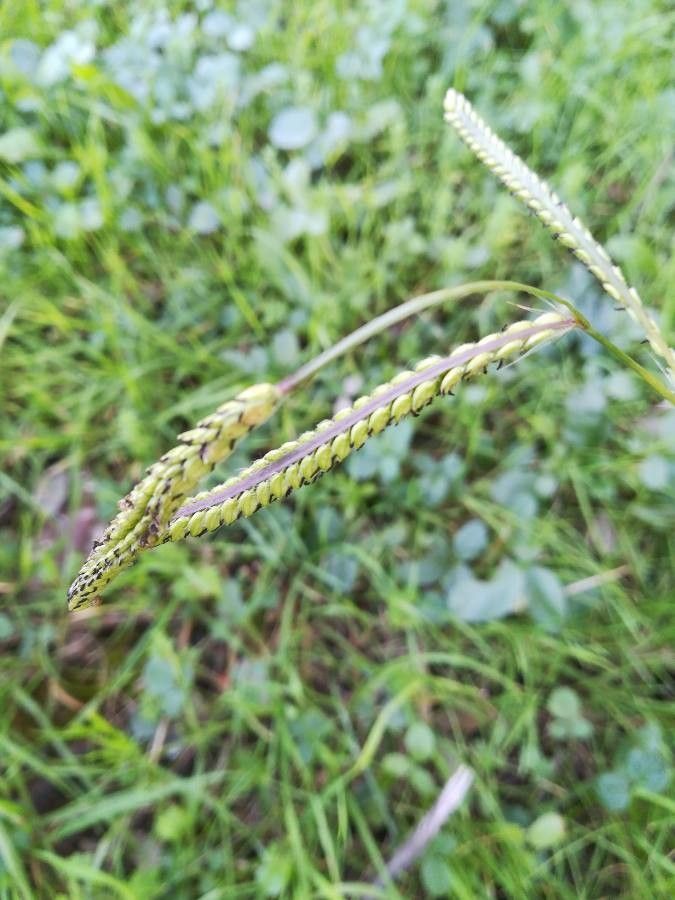
Oh, hello there! Come on in, grab a mug. It’s such a joy to talk about gardening, and today, we’re diving into something pretty special: Paspalum dilatatum, or as many of us know it, Dallisgrass. Now, I know what some of you might be thinking – “Dallisgrass? Isn’t that a weed?” And yes, it can be a bit…enthusiastic in the wrong spot! But plant it intentionally, in a container or a dedicated bed, and its graceful, arching stems and feathery seed heads offer such a lovely texture and movement in the garden. It’s a real stunner, adding a wild, almost prairie-like charm. Growing new plants from an existing favorite is one of my absolute favorite gardening pastimes. It’s incredibly satisfying to see a tiny cutting or division unfurl into a vibrant new life. And for Paspalum dilatatum, I’m happy to report, it’s delightfully beginner-friendly!
When’s the Golden Window for Getting Started?
The best time to get your hands dirty with Paspalum dilatatum propagation is when it’s truly in its element: during the active growing season. Think late spring through summer. The plant is buzzing with energy, and new growth is abundant. This vigorous phase means your cuttings or divisions will have the best chance of taking hold and developing strong roots. Waiting until things quiet down in the fall is just asking for disappointment; the plant needs that warmth and light to really get going.
What You’ll Need for Your Propagation Adventure
Gathering your supplies beforehand makes the whole process so much smoother. Here’s a little list of what I usually have on hand:
- Sharp Pruning Shears or a Clean Knife: For making precise cuts. Dull tools can crush stems, hindering rooting.
- Rooting Hormone (Optional but Recommended): Especially for stem cuttings, this can give them a real boost. I like the powder form, but liquid works beautifully too.
- Well-Draining Potting Mix: A good quality potting mix, perhaps with some added perlite or coarse sand, is key. Paspalum hates soggy feet.
- Clean Pots or Trays: Small pots or seed trays with drainage holes are perfect for starting your new plants.
- Watering Can with a Gentle Rose: For fine-tuning your watering.
- A Shovel or Trowel: For any division work.
- Labels: So you don’t forget what you’ve planted!
Let’s Get Propagating: Your Step-by-Step Guide
Paspalum dilatatum is wonderfully versatile. Here are my go-to methods:
Method 1: Stem Cuttings – Capturing That Graceful Arch
This is my favorite way to multiply Paspalum, as you can get so many new plants from a single clump.
- Select Your Stems: Look for non-flowering, healthy stems that are about 6-8 inches long. They should feel firm, not limp or old.
- Make the Cut: Using your sharp pruners, make a clean cut just below a leaf node. This is where roots are most likely to form. If you’re taking multiple cuttings, snip them from different parts of the plant.
- Prepare the Cutting: Gently remove the lower leaves from the bottom 2-3 inches of the stem. You want a clear section to insert into the soil.
- Dip in Rooting Hormone (If Using): Just dip the cut end into your rooting hormone, tapping off any excess.
- Planting the Cuttings: Make small holes in your prepared potting mix using a pencil or dowel. Carefully insert the cut end of the stem into the hole, ensuring the node is below the surface. Gently firm the soil around it.
- Water Gently: Water the soil thoroughly but gently, making sure the cuttings are well-settled.
Method 2: Division – The Simplest Route
This is probably the easiest method, especially if you have an established, healthy clump of Paspalum.
- Dig Up the Clump: In late spring or early summer, carefully dig up the entire plant or a section of it. You can loosen the soil around the edges with a shovel first.
- Gently Separate: Once out of the ground, gently shake off excess soil. You’ll see it’s made up of many smaller tillers or shoots. With your hands (or a clean knife for tougher clumps), carefully pull or tease the clump apart into smaller sections. Each section should have at least a few roots and some leafy growth.
- Replant Immediately: Replant these divisions into pots filled with your well-draining mix or directly back into your garden beds or containers.
- Water Well: Give them a good watering to help settle the soil around the roots.
The “Secret Sauce”: My Insider Tips
After years of dabbling, I’ve picked up a few tricks that make a world of difference.
- Bottom Heat is Your Friend: For stem cuttings, placing your pots on a heated propagator mat can significantly speed up root development. It mimics the warmth of spring soil and gives those young roots a real kickstart.
- Mist, Don’t Drench: While cuttings need humidity, waterlogged leaves are a fast track to rot. If you’re using a propagator lid or even just a plastic bag over your pot, aim for a gentle misting of the leaves and soil. Avoid having leaves sitting directly in water.
- Don’t Rush the Transplant: Be patient! Don’t be tempted to yank on your cuttings to check for roots. When they are ready to move into their own pot, you’ll usually see new growth emerging from the top. For divisions, you’ll see new shoots unfurling.
Aftercare and What to Watch For
Once your Paspalum dilatatum starts showing signs of life – new shoots emerging or a gentle tug on a cutting revealing resistance – you’re on the right track!
- Gradual Acclimation: If you’ve had your cuttings under a humidity dome or in a protected spot, gradually introduce them to more open air over a week or so. This helps them adjust.
- Keep Them Moist but Not Soaked: Continue to water them regularly, keeping the soil consistently moist. You’ll want to feel the top inch of soil start to dry out before watering again.
- Watch for Rot: The biggest challenge is usually overwatering, which leads to rot. If you see stems turning mushy and black at the base, or the whole cutting wilts and discolors without any sign of new growth, rot is likely the culprit. It’s a tough lesson, but sometimes you have to discard the affected cuttings and try again, perhaps with drier soil or better air circulation.
Go Forth and Grow!
Propagating Paspalum dilatatum is a wonderful way to expand your garden’s beauty and learn more about how these amazing plants work. Be patient with yourself and with your new little plants. Gardening is a journey, and every little sprout is a victory worth celebrating. Enjoy the process, and happy growing!
Resource:
https://identify.plantnet.org/k-world-flora/species/Paspalum%20dilatatum%20Poir./data