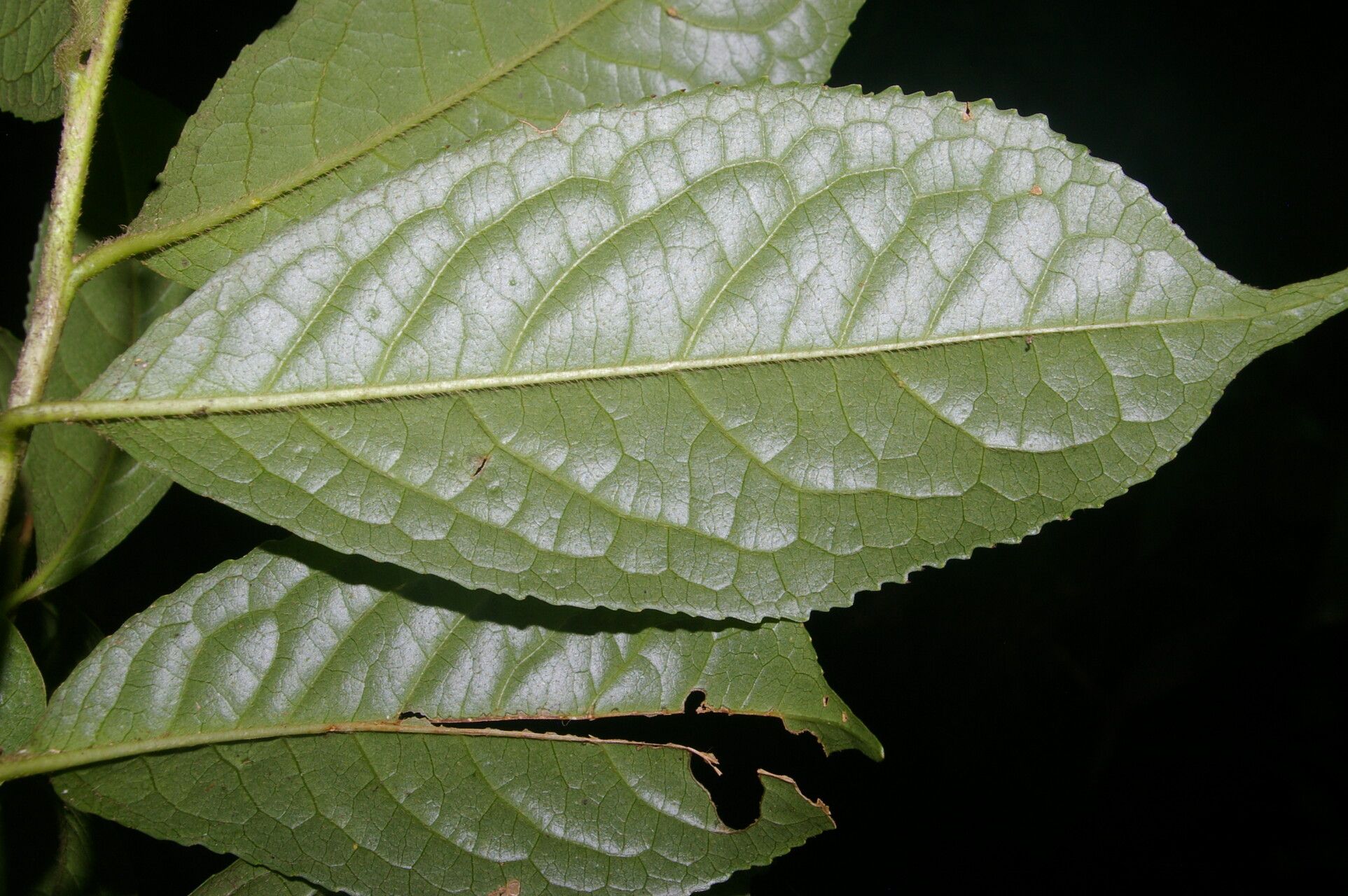
Hello, fellow plant lovers! Today, I want to talk about a truly special plant: Symplocos panamensis. You might know it by its common name, the Ecuadorian Snowdrop Tree, though it’s not a true snowdrop. What makes it so captivating? Well, its delicate, white, bell-shaped flowers that cascade in clusters are just stunning. They bring a touch of elegance to any garden, and the scent, oh, the scent – it’s a sweet perfume that fills the air on a warm evening.
Now, you might be wondering if this beauty is tough to grow from scratch. To be honest, Symplocos panamensis isn’t the absolute easiest plant for a complete beginner to propagate. It requires a little patience and attention to detail. But don’t let that discourage you! With a few key steps and a bit of care, you can absolutely be successful, and the reward of nurturing a new life from a piece of the original is just immense.
The Best Time to Start
For the highest success rate with Symplocos panamensis, I’ve found that taking cuttings in late spring or early summer is your best bet. This is when the plant is actively growing after its spring flush. You want to choose stems that are semi-hardened – they’re not brand new, super-soft growth, nor are they old, woody branches. Think of stems that have a bit of give but aren’t floppy. This is the sweet spot for rooting.
Supplies You’ll Need
Gathering your supplies beforehand makes the whole process so much smoother. Here’s what you’ll want to have on hand:
- Sharp, clean pruning shears or a strong knife: For making clean cuts. Nobody wants crushed stems!
- Rooting hormone powder or gel: This helps encourage strong root development.
- A well-draining potting mix: I like to use a blend of equal parts perlite, peat moss, and coir. A good sterile seed-starting mix also works.
- Small pots or seed trays with drainage holes: About 4-inch pots are usually perfect.
- A clear plastic bag or a propagation dome: To create a humid environment.
- A spray bottle with water: For misting.
- Optional: A heat mat: This can really speed up rooting.
Propagation Methods: Stem Cuttings
This is my go-to method for Symplocos panamensis. It’s reliable and gives you a good chance of success.
-
Select and Cut: Find a healthy, semi-hardened stem about 6-8 inches long. Make a clean cut just below a leaf node (where a leaf attaches to the stem). Remove the lower leaves, leaving just a couple at the top.
-
Dip in Hormone: Moisten the cut end of the stem and then dip it into your rooting hormone. You want a good coating, but tap off any excess.
-
Potting Up: Fill your pots with your prepared potting mix. Make a small hole in the center with your finger or a pencil. Gently insert the treated cutting, ensuring the nodes covered by the hormone are below the soil surface. Firm the soil gently around the stem.
-
Water and Cover: Water the pot thoroughly until you see water draining from the bottom. Then, cover the pot with a clear plastic bag or propagation dome. This is crucial for maintaining high humidity, which cuttings absolutely adore.
-
Location, Location, Location: Place your pots in a bright spot with indirect sunlight. Direct sun will scorch those delicate leaves. If you have a heat mat, place the pots on it now.
The “Secret Sauce” (Pro Tips)
Over the years, I’ve learned a few tricks that seem to make a big difference.
- Don’t Let Leaves Touch the Water (for water propagation, though less common for this plant): If you ever try water propagation with other plants and notice rot, it’s often because submerged leaves break down and invite disease. Keep all leaves above the water line! For our Symplocos, keeping them out of stagnant water in the soil is key.
- Bottom Heat is Your Friend: Using a heat mat under your pots can be a game-changer. It encourages root development from the bottom up, significantly speeding up the process and increasing your success rate. Imagine a warm hug for those developing roots!
- The “Snap Test”: When you think the cuttings might be rooted (after about 6-8 weeks, though it can vary), give a gentle tug. If there’s resistance, you’ve got roots! You might also see new leaf growth starting.
Aftercare & Troubleshooting
Once those roots have formed and you see healthy new growth, it’s time to transition.
- Acclimatization: Gradually remove the plastic bag or dome over a week or so. This helps the new plant get used to lower humidity.
- Watering: Water when the top inch of soil feels dry. They still like consistent moisture but dislike soggy feet.
- Fertilizing (Later): Wait until the plant is well-established and you see good top growth before introducing a diluted liquid fertilizer.
The most common problem you might encounter is rot. This usually happens if the soil is too wet and there isn’t enough air circulation. If you see your cutting wilting, turning black, or looking mushy, it’s usually a sign of rot. Unfortunately, at that point, it’s often too late. To prevent it, make sure your soil is free-draining and that you’re not overwatering.
A Encouraging Closing
Don’t be discouraged if your first attempt isn’t a roaring success. Gardening is a journey, and propagation is an art that takes practice. The key is to be patient, observe your plants, and learn from each step. Nurturing these new Symplocos panamensis plants is a wonderfully rewarding experience. Soon, you’ll have your very own little pieces of that elegant beauty to admire and share. Happy growing!
Resource:
https://identify.plantnet.org/k-world-flora/species/Symplocos%20panamensis%20McPherson/data