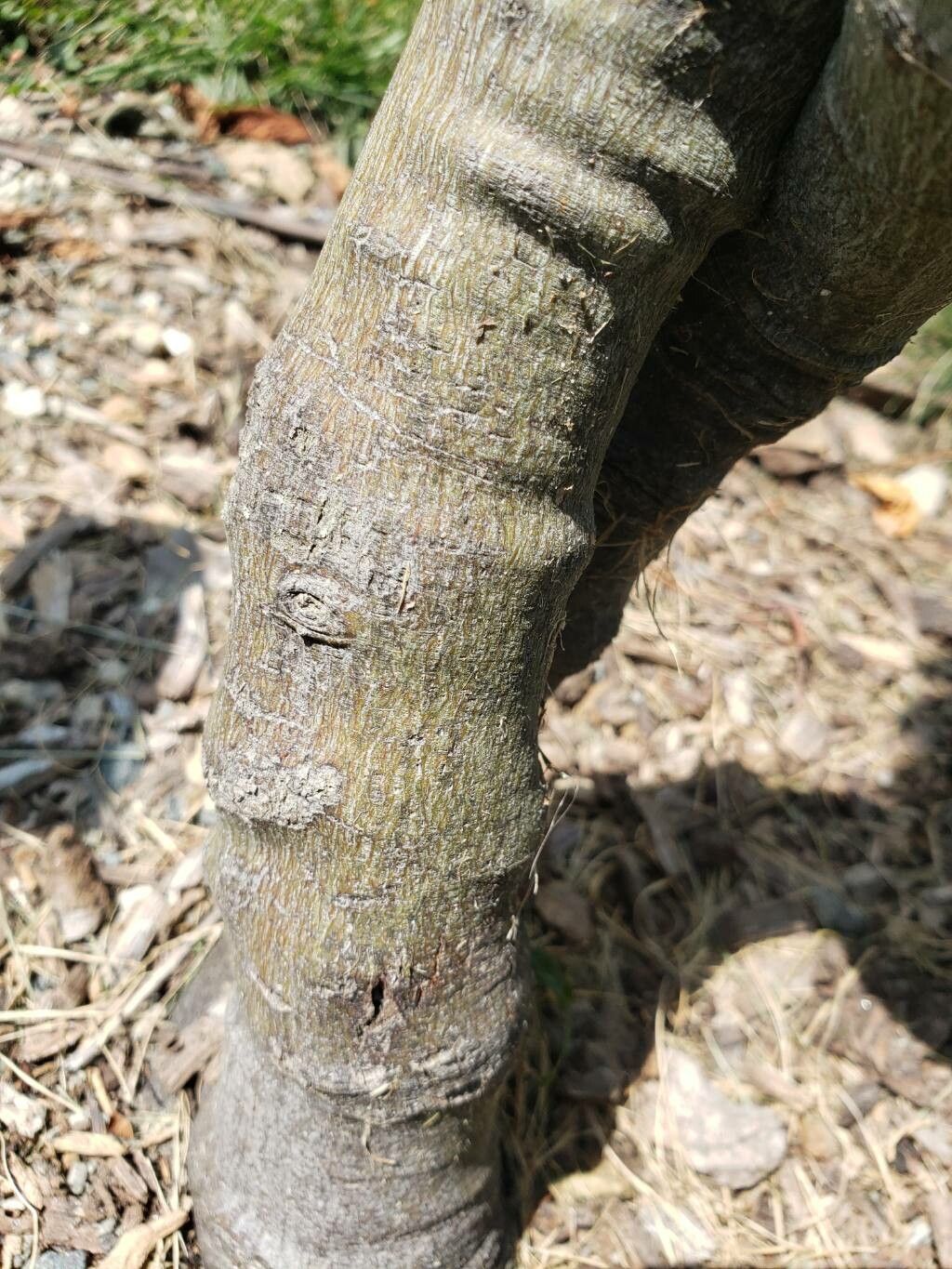
Oh, hello there! Come on in, pull up a chair. It’s so lovely to chat with you about plants. Today, we’re going to dive into the wonderful world of propagating Berchemia scandens, or as many of us affectionately call it, the Supplejack vine.
Why Grow Supplejack?
There’s something truly magical about a vine that can scale walls with such grace. The Supplejack is a native treasure, offering delicate, glossy green leaves throughout the summer and charming little clusters of fragrant, starry white flowers that draw in pollinators. In the fall, it even adorns itself with lovely purplish drupes. Propagating it is deeply satisfying; you get to nurture a new life from a piece of an established beauty. For beginners? I’d say it’s moderately easy. With a little patience and the right touch, you’ll be well on your way.
When is the Magic Happening?
The best time to begin your propagation adventure with Supplejack is without a doubt, late spring to early summer. This is when the plant is actively growing, and the new stem growth – what we call softwood cuttings, will have the best chance of taking root. You’re looking for stems that are pliable and green, not yet woody and stiff.
Your Propagation Toolkit
Here’s what you’ll want to have ready before you start:
- Clean, sharp pruning shears or secateurs. A clean cut is crucial for preventing disease.
- Rooting hormone. This isn’t strictly necessary for every plant, but it can give your cuttings a significant boost. Look for a powdered or liquid form.
- A well-draining potting mix. I like a blend of half perlite and half peat moss, or a good quality seed-starting mix.
- Small pots or containers. Clean ones, of course! Small nursery pots or even recycled yogurt containers with drainage holes will work.
- A plastic bag or humidity dome. This will create a greenhouse effect for your cuttings.
- Spray bottle filled with water.
- Labels so you don’t forget what’s what!
Getting Those Cuttings Rooted!
The most successful method for me with Supplejack is taking stem cuttings. It’s straightforward once you get the hang of it.
- Select your stems. Find those lovely, flexible, green shoots.
- Make your cuts. Using your sharp shears, take cuttings that are about 4-6 inches long. Make the cut just below a leaf node (where a leaf attaches to the stem).
- Prepare the cuttings. Gently remove the leaves from the bottom half of the cutting. You want to expose the nodes where roots will form. Leave just a couple of leaves at the very top to help with photosynthesis. If the remaining leaves are very large, you can cut them in half to reduce water loss.
- Apply rooting hormone. Dip the cut end of the stem into the rooting hormone, tapping off any excess.
- Plant your cuttings. Make a small hole in your potting mix with a pencil or your finger. Insert the treated cutting into the hole, ensuring the nodes are covered. Gently firm the soil around the stem.
- Water gently. Use your spray bottle to moisten the soil. You want it damp, not waterlogged.
- Create the humidity. Cover the pot with a plastic bag, or place it under a humidity dome. Make sure the leaves don’t touch the plastic. You can use stakes to prop up the bag if needed.
- Find a bright spot. Place your pots in a location that receives bright, indirect light. Avoid direct sun, which can scorch the delicate cuttings.
The “Secret Sauce” for Success
Okay, here are a couple of things I’ve learned over the years that make a real difference:
- Bottom heat is your friend! If you can, place your pots on a heat mat. This gentle bottom warmth encourages root development and significantly speeds up the process. It mimics the warmth of spring soil beautifully.
- Don’t be afraid to mist. Regularly misting the leaves, especially if you don’t have a humidity dome, can help keep them from drying out while they’re working on developing roots. Just a light spray every day or two is usually enough.
- Be patient with the leaves. If you notice the leaves on your cutting starting to droop, it’s not always a sign of failure. It often means the plant is conserving energy as it works on its roots. As long as the stem itself feels firm and isn’t mushy, give it time.
Aftercare and When Things Go Wrong
Once you see new leaves emerging or feel a gentle tug when you very lightly try to pull on the cutting, that’s a good sign roots are forming! Gradually acclimate your new plants to drier air by opening the plastic bag or dome a little more each day for about a week. Then, you can transplant them into slightly larger pots.
Now, about troubleshooting. The most common issue is rot. If the stem becomes soft, mushy, or develops black spots, it’s likely to rot. This is usually a result of too much moisture and not enough air circulation. If you see this, unfortunately, that cutting is likely lost. Make sure your soil is well-draining and you’re not overwatering. Another sign of failure is if the cuttings simply dry out; this is where the humidity cover is so important.
Go Forth and Grow!
Propagating plants is such a rewarding journey. Don’t get discouraged if every single cutting doesn’t make it. Each attempt teaches you something, and the successes are absolutely thrilling. Enjoy the process, be gentle with your new plant babies, and soon you’ll have more beautiful Supplejack vines to share or admire! Happy gardening!
Resource:
https://identify.plantnet.org/k-world-flora/species/Berchemia%20scandens%20(Hill)%20K.Koch/data