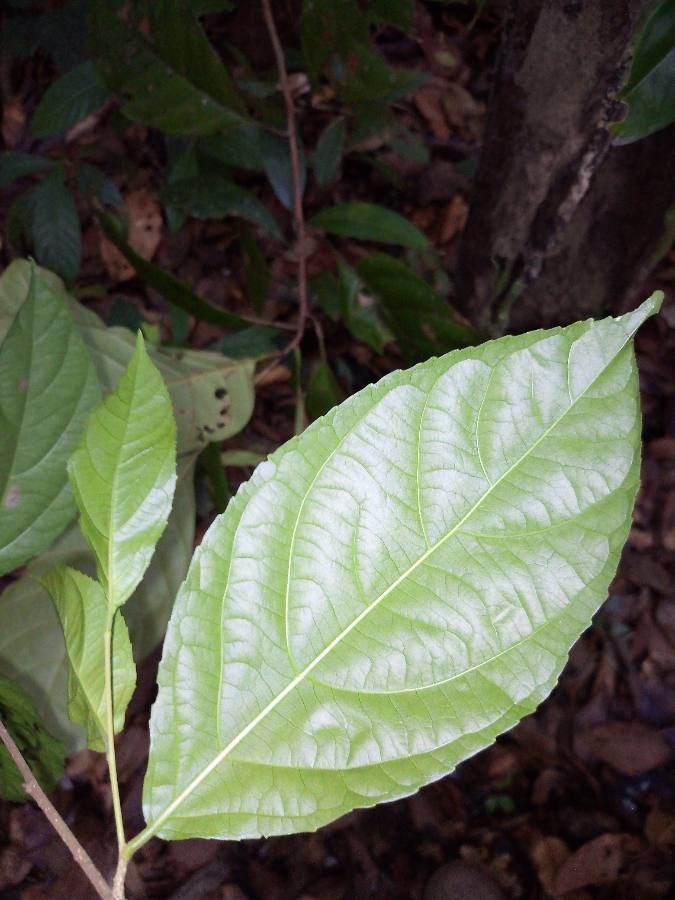
Hi there, fellow plant lovers! As a gardener with a couple of decades spent getting my hands dirty, I’ve learned that there’s a special kind of joy in coaxing a new life from an existing one. Today, I want to talk about Xylosma benthamii, a wonderfully adaptable shrub that adds a lovely touch of greenery to any garden. Its arching branches and lush foliage are always a welcome sight, and the satisfaction of growing your own from scratch? Well, that’s just the icing on the cake. If you’re new to plant propagation, I think you’ll find Xylosma benthamii to be a wonderfully forgiving subject.
The Best Time to Start
For the best shot at success with your Xylosma benthamii cuttings, aim for late spring to early summer. This is when the plant is in its active growth phase, pulling up all sorts of goodies from its roots to fuel new shoots. Cuttings taken during this time tend to root more readily and vigorously. You can also try in late summer, but spring is generally more reliable.
Supplies You’ll Need
Don’t worry, it’s not a complicated list! You probably have most of these things already.
- Sharp Pruning Shears or a Knife: Clean cuts are absolutely crucial for healthy rooting.
- Rooting Hormone: While not strictly essential for Xylosma, it can give your cuttings a significant boost. Look for a powder or gel.
- Well-Draining Potting Mix: A good blend of peat moss, perlite, and a bit of sand works wonders. You can also use a seed-starting mix.
- Small Pots or Trays: Clean containers are a must. Tiny individual pots are great for cuttings.
- Plastic Bags or a Propagator: This helps maintain humidity, which is vital for cuttings.
- Watering Can or Spray Bottle: For gentle watering.
- Labels and a Pen: So you don’t forget what you planted where!
Propagation Methods
Let’s get down to the nitty-gritty. Stem cuttings are my go-to for Xylosma benthamii.
Stem Cuttings:
- Take Your Cuttings: With your clean shears, select healthy, non-flowering stems from your parent plant. Look for stems that are slightly woody but still flexible. Aim for cuttings about 4-6 inches long. Make your cut just below a leaf node (where a leaf attaches to the stem). This is where the magic happens for rooting.
- Prepare the Cuttings: Gently remove the lower leaves, leaving just a few at the top. If the remaining leaves are quite large, you can snip them in half to reduce water loss.
- Apply Rooting Hormone: Dip the cut end of each cutting into your rooting hormone, shaking off any excess.
- Plant Your Cuttings: Fill your small pots with your prepared potting mix. Make a small hole in the center with your finger or a pencil. Insert the cutting into the hole, making sure the node where you removed the leaves is buried in the soil. Gently firm the soil around the stem.
- Water Gently: Water the soil thoroughly but gently. You don’t want to disturb the cuttings.
- Create a Humid Environment: Cover each pot with a clear plastic bag, creating a mini-greenhouse. You can secure the bag with a rubber band around the pot. Make sure the leaves aren’t touching the plastic if possible. If using a tray, you can cover the whole thing with a plastic dome or bag.
Water Propagation (Less Common, but Possible):
While I generally prefer soil for Xylosma, you can try water propagation.
- Follow steps 1 and 2 for stem cuttings.
- Place the cuttings in a jar or vase filled with clean water, ensuring the leaf nodes are submerged.
- Change the water every few days to prevent stagnation and bacterial growth.
- Once roots have formed and are about an inch long, you can carefully transplant them into pots with soil.
The “Secret Sauce” (Pro Tips)
Here are a few little nuggets I’ve picked up over the years:
- Bottom Heat is Your Friend: If you can, place your pots on a heated seed-starting mat. This gentle warmth encourages root development from below, making a noticeable difference in rooting speed.
- The Air Circulation Trick: If your cuttings are in a plastic bag, open the bag for about 15-30 minutes each day. This allows for fresh air exchange and helps prevent fungal issues.
- Don’t Rush the Transfer: Resist the urge to pull up a cutting to check for roots too soon! You’ll likely do more harm than good. Wait until you see new top growth, which is a good indicator that roots are forming.
Aftercare & Troubleshooting
Once you see some healthy new growth emerging from your cuttings, it’s a good sign that roots are developing.
- Gradually Acclimate: Slowly start to reduce the humidity. You can begin by opening the plastic bag for longer periods each day. Eventually, remove the bag altogether.
- Watering: Continue to keep the soil consistently moist but not waterlogged. Water when the top inch of soil feels dry.
- Light: Place your new plants in a bright location with indirect sunlight. Too much direct sun can scorch delicate new growth.
- Troubleshooting: The most common issue you might encounter is rot. This usually happens if the cuttings are kept too wet or have poor air circulation. If you see wilting, browning, or mushy stems, it’s likely rot. Sadly, there’s often no coming back from this, so prevention is key! Make sure your soil drains well and avoid overwatering.
A Little Patience Goes a Long Way
So there you have it! Propagating Xylosma benthamii is a rewarding way to expand your plant collection. Don’t get discouraged if your first few attempts aren’t perfect. Gardening is a journey, and every trial teaches us something new. Enjoy the process, celebrate your successes, and before you know it, you’ll have a whole host of new green friends to admire. Happy planting!
Resource: