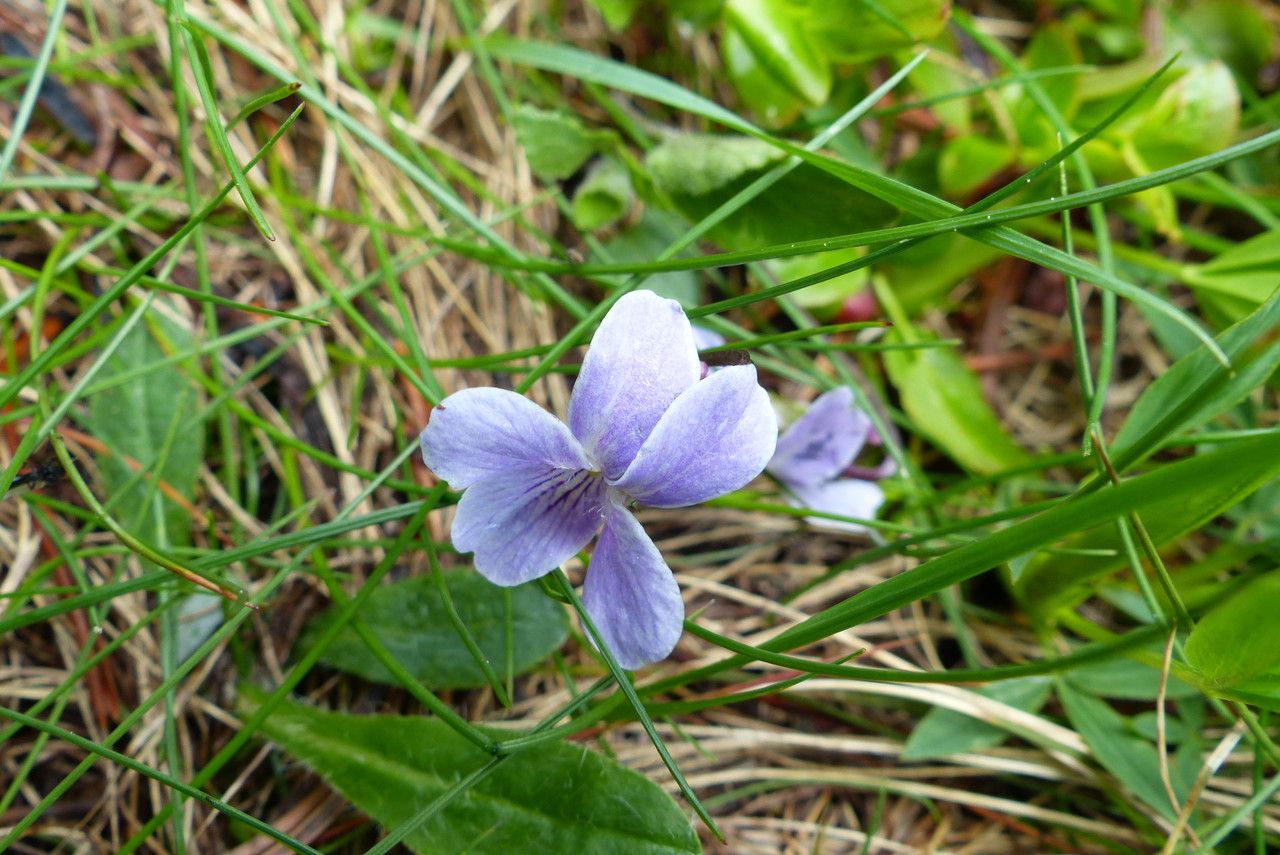
Oh, hello there! Grab a mug of your favorite brew, pull up a chair, and let’s chat about one of my absolute favorites: Blue Violet, or Viola adunca. These charming little gems carpet our woodlands and meadows with their sweet, heart-shaped leaves and delicate, electric-blue blooms. There’s something incredibly satisfying about coaxing new life from an existing plant, and with Viola adunca, it’s a very achievable feat. Good news for you beginners out there – this one is quite forgiving!
The Best Time to Start
For the happiest results, I always aim to propagate Viola adunca in the late spring to early summer. This is when the plants are actively growing and have plenty of energy to put into developing new roots. Waiting until after the main flush of flowering is also a good cue; the plant is strong and ready to share its vitality.
Supplies You’ll Need
Here’s what you’ll want to have on hand:
- Small pots or trays: Cleaned thoroughly, of course.
- Well-draining potting mix: A good blend of peat moss, perlite, and a bit of compost works wonderfully. You can also find specific seed-starting or propagation mixes.
- Sharp pruners or scissors: For clean cuts.
- Rooting hormone (optional but helpful): Especially for stem cuttings if you want to give them a little boost.
- Watering can or spray bottle: For gentle watering.
- Labels: To keep track of what you’ve potted!
Propagation Methods
Let’s get our hands a little dirty!
1. Division (My Go-To for Established Plants)
This is the easiest and most straightforward method if you have a mature clump of Blue Violet.
- Gently dig up the established plant. Try to disturb the roots as little as possible.
- With clean hands or a trowel, carefully separate the root ball into smaller sections. Each section should have at least a few healthy roots and some leafy growth.
- Replant the divisions into your prepared pots or directly into well-draining soil in your garden bed.
- Water thoroughly and keep them consistently moist, but not soggy, until they are established.
2. Stem Cuttings (For More Plants!)
This method allows you to create more plants from a single parent.
- In late spring or early summer, select healthy, non-flowering stems. Look for stems that are a few inches long.
- Using your sharp pruners, make a clean cut just below a leaf node (that little bump where a leaf attaches to the stem).
- Gently remove the lower leaves from the stem, leaving just a couple of leaves at the top. This helps prevent rot.
- If you’re using rooting hormone, dip the cut end into the powder, tapping off any excess.
- Insert the cuttings into your pots filled with the well-draining potting mix. Make sure the leaf nodes are buried in the soil.
- Mist the cuttings lightly with water or water gently from the bottom.
- Cover the pots with a clear plastic bag or place them in a propagator to create a humid environment. This is crucial for cuttings.
The “Secret Sauce” (Pro Tips)
Here are a couple of tricks I’ve learned over the years that really make a difference:
- Bottom Heat is Your Friend: If you’re doing stem cuttings, especially if your house isn’t naturally warm, popping your pots on a heated propagation mat can significantly speed up root development. It mimics the warmth of spring soil beautifully.
- Don’t Drench, Just Mist: For cuttings, once they’re covered, you really only need to mist the foliage occasionally to keep it turgid. Excess water sitting on the leaves or in the pot can lead to fungal issues. Let the soil dry out just slightly between waterings.
Aftercare & Troubleshooting
Once you start seeing tiny root nubs peeking out from the drainage holes or notice new leaf growth on your cuttings, that’s a great sign!
- Gradually acclimate them to drier air by opening the plastic bag for longer periods each day.
- Continue to water when the top inch of soil feels dry.
- Once they have a good root system, you can transplant them into slightly larger pots or their permanent garden spot.
Now, what if things aren’t going as planned? The most common culprit for propagated plants is rot. If your cuttings look mushy, black, or wilted despite being kept moist, it’s usually a sign of too much moisture and not enough air circulation. Sadly, these are usually beyond saving. Don’t get discouraged, though! Just try again with a fresh start, ensuring your mix is well-aerated and you’re not overwatering.
A Little Encouragement
Propagating Viola adunca is a wonderful way to enjoy more of these delightful wildflowers. Be patient with the process; nature is on its own timeline. The joy of seeing those first tiny roots form or a new shoot emerge is truly rewarding. Happy gardening!
Resource:
https://identify.plantnet.org/k-world-flora/species/Viola%20adunca%20Sm./data