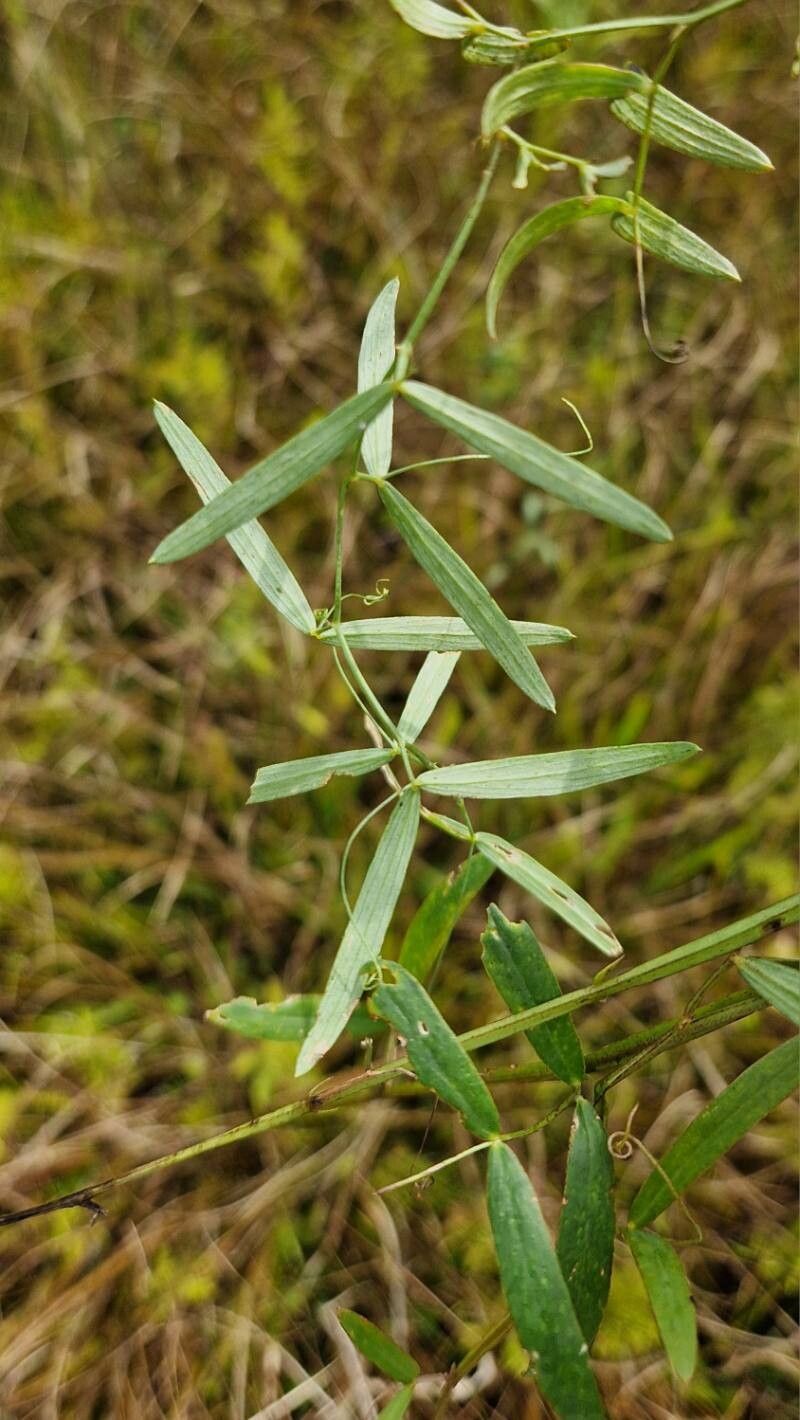
Hello fellow garden lovers! Today, we’re diving into the wonderful world of propagating Lathyrus palustris, also known as Marsh Pea or, more poetically, the Pale Vetchling. If you’re drawn to delicate, often bluish-purple flowers that bring a touch of wild beauty to your garden, then this is a plant you’ll want to get to know better. Propagating it yourself is incredibly rewarding, like nurturing a little piece of nature right in your own hands.
Now, for the honest truth: Lathyrus palustris isn’t the absolute easiest plant for a complete beginner to propagate from scratch. It has a few specific needs. But don’t let that deter you! With a little patience and attention to detail, you can absolutely succeed. Think of it as a delightful challenge that, when mastered, makes the reward all the sweeter. Let’s get growing!
The Best Time to Start
The sweet spot for propagating Lathyrus palustris is generally late spring to early summer. This is when the plant is actively growing and has plenty of energy to put into new roots. You’ll want to select young, vigorous shoots that haven’t yet flowered. Looking for pliable stems is key – they should bend rather than snap.
Supplies You’ll Need
Gathering your supplies beforehand makes the whole process smoother. Here’s what I recommend:
- Sharp pruning shears or a clean, sharp knife: For making clean cuts.
- Potting mix: A well-draining, light mix is crucial. I like to use a blend of peat moss or coco coir, perlite, and a bit of compost.
- Small pots or trays: Clean pots are essential to prevent disease.
- Rooting hormone (optional but recommended): This can give your cuttings a helpful boost.
- Watering can with a fine rose: To gently water your new propagules.
- Clear plastic bag or propagator lid: To create a humid environment.
Propagation Methods
While Marsh Pea can be grown from seed, I find propagation from stem cuttings to be the most reliable and quickest way to get new plants. Here’s how I do it:
- Take Your Cuttings: In late spring or early summer, select healthy, non-flowering stems from a mature plant. Using your clean shears or knife, take 4-6 inch cuttings. Make the cut just below a leaf node (where a leaf joins the stem). Remove the lower leaves, leaving just the top two or three.
- Prepare the Cuttings: If you’re using rooting hormone, dip the cut end of the stem into the powder, tapping off any excess.
- Plant Your Cuttings: Fill your small pots with your prepared, moistened potting mix. Make a small hole in the center with your finger or a pencil. Insert the cut end of your Lathyrus palustris cutting into the hole, ensuring at least one leaf node is below the soil surface. Gently firm the soil around the stem.
- Create a Humid Environment: Water gently. Then, cover the pot with a clear plastic bag or a propagator lid. This traps moisture and creates the humid microclimate cuttings need to develop roots before they can take up water themselves. You can support the bag with a stick or two to keep it from touching the leaves.
The “Secret Sauce” (Pro Tips)
Here are a couple of tricks I’ve learned over the years that really help with fussier plants like Lathyrus palustris:
- Bottom Heat: If you can, place your pots on a gentle heat mat. This encourages root development from below without drying out the top of the soil too quickly. It’s like giving your cuttings a warm hug!
- Don’t Overcrowd: Even though you want to maximize your efforts, resist the urge to cram too many cuttings into one pot. Give them a little breathing room. This helps prevent the spread of any potential fungal issues and ensures each cutting gets enough light and air circulation.
Aftercare & Troubleshooting
Once your cuttings are potted, place them in a bright location out of direct sunlight. Mist the leaves occasionally if you see them starting to look thirsty, especially if your humidity dome isn’t perfect. Keep the soil consistently moist but not waterlogged.
You’ll know your cuttings have rooted when you see new leaf growth or feel a gentle resistance when you tug lightly on the stem. This usually takes 3-6 weeks. Once they’re well-rooted and actively growing, you can gradually acclimate them to normal conditions by opening the plastic bag a little each day for a week before removing it entirely. They’re then ready to be transplanted into slightly larger pots.
The most common sign of failure is rot. If your cuttings turn black and mushy, or if you see mold, it’s usually a sign of too much moisture and poor air circulation. In this case, it’s best to discard them and start again, ensuring your soil is lighter and your humidity isn’t excessive. Occasionally, cuttings might just fail to root despite your best efforts – that’s part of gardening!
A Encouraging Closing
Propagating Lathyrus palustris is a journey, not a race. There will be moments of anticipation and perhaps a few setbacks along the way. But seeing those tiny new plants emerge, knowing you helped them come into being, is one of the most fulfilling aspects of gardening. Be patient, enjoy the process, and celebrate every little success. Happy propagating!
Resource:
https://identify.plantnet.org/k-world-flora/species/Lathyrus%20palustris%20L./data