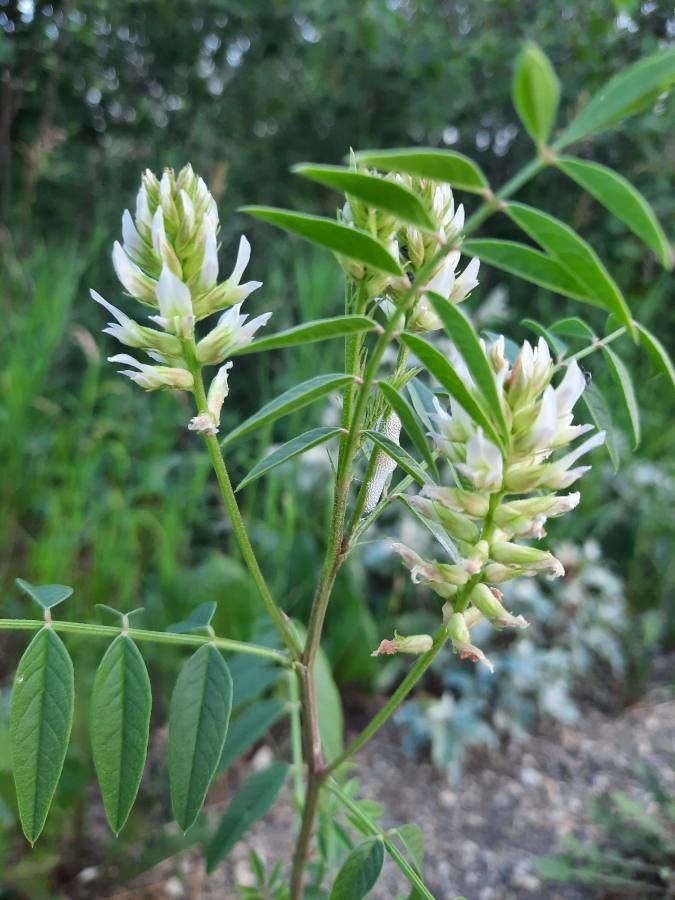
Hello fellow garden enthusiasts! Let’s chat about a plant that’s near and dear to my heart, and might just make a wonderful addition to your own patch: Licorice Root (Glycyrrhiza lepidota). This charming native is tough, adaptable, and has a fascinating history. Plus, there’s a special satisfaction in nurturing a new plant from a tiny piece of its parent. For beginners, I’d say it’s moderately easy, but with a little know-how, you’ll be propagating it like a pro in no time.
The Best Time to Start
My experience tells me the sweet spot for propagating Licorice Root is during its active growing season, typically in late spring to early summer. This is when the plant has plenty of energy to put into root development. Waiting until the stems have started to firm up a bit, rather than being super soft and leafy, also helps immensely.
Supplies You’ll Need
Get your hands on these essentials, and you’ll be well on your way:
- Sharp Pruning Shears or a Knife: For clean cuts.
- Rooting Hormone (Optional but Recommended): A powder or gel that encourages root growth.
- Well-Draining Potting Mix: I prefer a blend that’s about equal parts seed-starting mix and perlite or coarse sand. This is crucial for preventing rot.
- Small Pots or Trays: Clean containers with drainage holes are a must.
- Plastic Bags or a Propagator: To create a humid environment.
- Watering Can or Spray Bottle: For gentle watering.
Propagation Methods
Licorice Root is wonderfully amenable to propagation through division, which is my go-to method for this plant.
Division: A Step-by-Step Guide
- Choose Your Parent Plant: Select a healthy, mature Licorice Root that’s clearly established in its pot or garden bed.
- Gently Excavate: Carefully dig up the entire plant. If it’s in the ground, dig around it and lift it out. If it’s in a pot, tip it out. Try to disturb the root ball as little as possible at this stage.
- Locate Natural Breaks: You’ll want to inspect the root system. Look for where the plant naturally divides into separate sections. You should see distinct crowns and root clusters that can be separated without causing excessive damage.
- Divide with Care: Using your hands or a clean knife, gently pull or cut the root ball apart into sections. Each section should have at least one healthy bud or eye and a good portion of roots. Don’t be afraid to get your hands dirty!
- Plant Your Divisions: Immediately pot each division into its own container filled with your prepared well-draining potting mix. Make sure the crown is just at the soil surface.
- Water Gently: Water thoroughly but avoid waterlogging. The soil should be moist but not soggy.
The “Secret Sauce” (Pro Tips)
Here are a few little tricks I’ve picked up over the years that make a big difference for Licorice Root:
- Don’t Be Shy with the Roots: When dividing, it’s okay if you lose a few smaller, wispy roots. Focus on keeping the larger, fleshy ones intact. Stronger roots mean a stronger start.
- Bottom Heat is Your Friend: If you’re working with divisions and the conditions are a bit cool, placing your pots on a heat mat specifically designed for plants can really speed up root establishment. It gives those developing roots a nice cozy environment to grow in.
- Patience with Rooting Hormone: If you choose to use rooting hormone, dip the cut end of the division into the powder or gel. Tap off any excess. This just gives them that extra little nudge.
Aftercare & Troubleshooting
Once your divisions are potted, keep them in a bright, indirect light. Avoid direct, scorching sun. Water when the top inch of soil feels dry.
You’ll know your new Licorice Root is happy when you see signs of new growth – tiny leaves unfurling from the crown. This can take a few weeks to a couple of months, so again, patience is key!
The most common sign of trouble is root rot. If your plant looks limp, the leaves are yellowing and mushy, and the soil stays excessively wet, it’s likely too much moisture. If you suspect rot, gently unpot the plant, trim away any mushy, dark roots with a clean knife, and repot into fresh, dry, well-draining soil. You might need to restart if the rot is extensive.
A Encouraging Closing
Propagating Licorice Root is a rewarding journey. It’s a chance to multiply your gardening joy and share this wonderful plant with others. Don’t be discouraged if your first attempt isn’t perfect. Every plant, every gardener, learns and grows. So get out there, get your hands in the dirt, and enjoy the process. Happy growing!
Resource:
https://identify.plantnet.org/k-world-flora/species/Glycyrrhiza%20lepidota%20Pursh/data