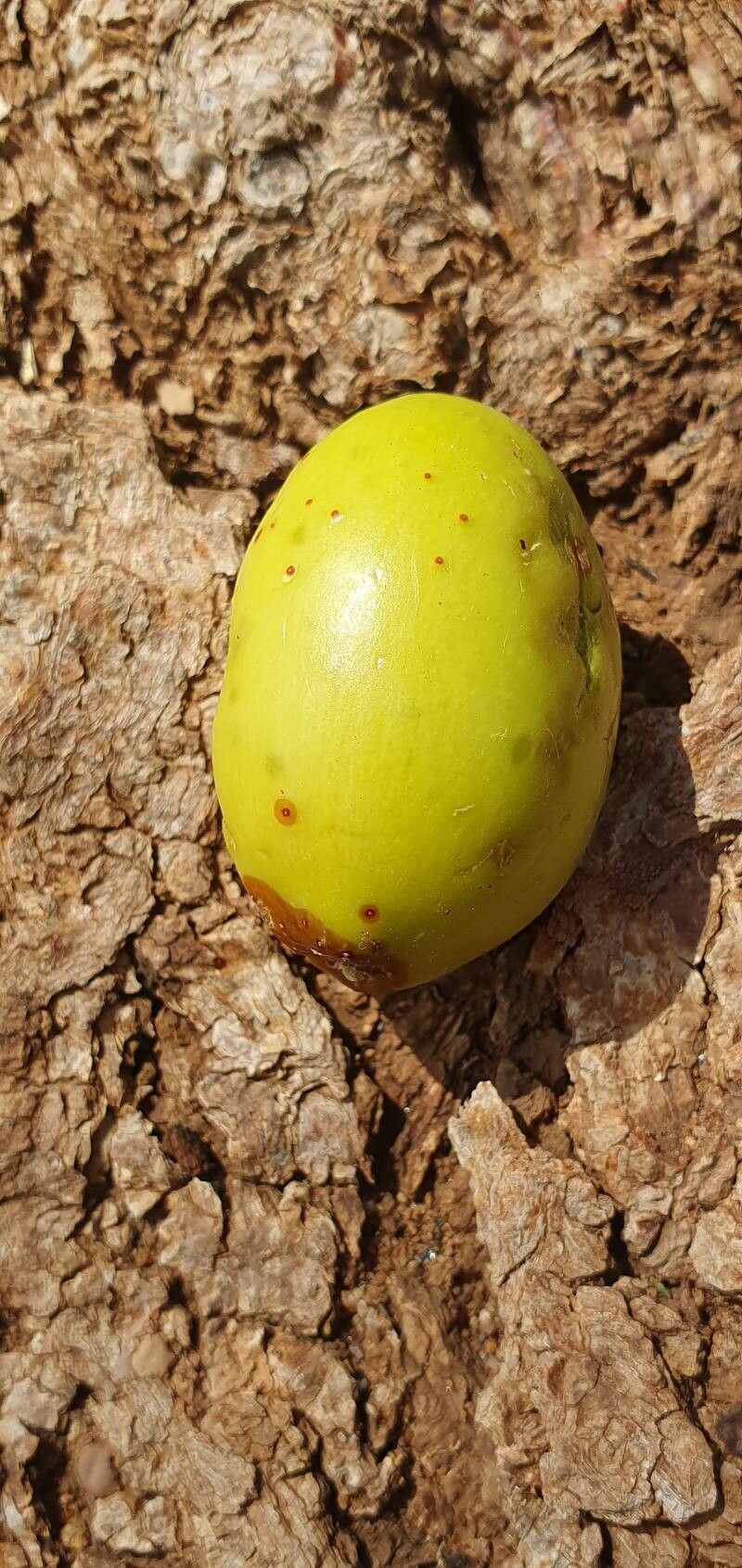
Hello fellow garden enthusiasts! I’m so glad you’ve stopped by. Today, we’re going to talk about a really special tree: Melia volkensii. You might know it better by its common names, like Mukau or Somali Kindling Tree. This beauty is prized for its fragrant blossoms and its incredibly useful wood. But for me, the real joy comes from nurturing these trees from tiny beginnings. Propagating Melia volkensii can be a bit of a journey, but oh, the reward when you see those first roots emerge! While it’s not the absolute easiest plant for absolute beginners, with a little care and attention, you can absolutely achieve success.
The Best Time to Start
When it comes to getting a head start with Melia volkensii, timing is everything. I’ve found the late spring to early summer is your sweet spot. This is when the tree is actively growing, and there’s plenty of sap flowing, which really helps with rooting. Look for new growth that’s just starting to firm up a bit – not too soft and floppy, but not woody and old either. Think of it as the perfect adolescent stage for a branch!
Supplies You’ll Need
Before we dive in, let’s gather our tools. Having everything ready makes the process smoother.
- Sharp pruning shears or a clean knife: For making those crucial cuts. Sterilize them first!
- Rooting hormone: A little boost can make a big difference. I prefer the powder form, but liquid works too.
- Well-draining potting mix: A 50/50 blend of perlite and peat moss or a good seedling starter mix is ideal. You want to avoid waterlogged soil at all costs.
- Small pots or trays: Clean containers are a must.
- Plastic bags or a propagator: To create a humid environment.
- Watering can or spray bottle: For gentle watering.
- Labels: To keep track of your precious propagations!
Propagation Methods
Melia volkensii is best propagated from stem cuttings. It’s a tried-and-true method that gives us a direct clone of the parent plant.
Step-by-Step Stem Cuttings:
- Select your cutting: On a healthy, established Melia volkensii tree, choose a branch with current season’s growth. Aim for cuttings that are about 6-8 inches long. You want to see a few leaf nodes along the stem.
- Make the cut: Using your sterilized shears or knife, make a clean cut just below a leaf node. This is where the magic of rooting happens!
- Prepare the cutting: Gently remove the lower leaves, leaving just a couple at the very top. This reduces water loss and prevents leaves from rotting when they touch the soil or water. If the leaves are large, you can even cut them in half to further reduce transpiration.
- Apply rooting hormone: Dip the cut end of the stem into your rooting hormone. Gently tap off any excess.
- Plant the cutting: Make a hole in your well-draining potting mix with a pencil or your finger. This prevents you from rubbing off the rooting hormone when you insert the cutting. Place the prepared cutting into the hole, ensuring the leaf nodes are below the soil surface. Firm the soil gently around the base.
- Create humidity: Water the soil lightly. Then, cover the pot with a clear plastic bag or place it in a propagator. This creates a mini-greenhouse effect, keeping the humidity high, which is critical for cuttings to root. Make sure the leaves don’t touch the sides of the bag if possible.
- Find a good spot: Place your pot in a bright location, but out of direct sunlight. The warmth of the sun can cook your tender cuttings.
The “Secret Sauce” (Pro Tips)
Now for a couple of things I’ve learned over the years that really make a difference:
- Bottom Heat is Your Friend: If you have access to a heat mat, place your pots on it. This gentle warmth from below encourages root development much faster than ambient room temperature alone. It’s like a cozy foot rub for your cuttings, signaling them it’s time to get growing!
- Don’t Disturb Too Soon: Resist the urge to constantly check for roots. It’s like a watched pot never boils! Wait at least 4-6 weeks before giving your cuttings a very gentle tug to see if there’s resistance. That resistance is your sign of new roots!
Aftercare & Troubleshooting
Once you feel those roots forming (or see new leaf growth!) you can start to transition your new Melia volkensii.
- Acclimation: Slowly reduce the humidity over a week or two. Start by opening the plastic bag for a few hours each day, then remove it entirely.
- Watering: Water them thoroughly when the top inch of soil feels dry. Avoid overwatering – this is the most common killer of new cuttings. Forcing them to dry out slightly between waterings encourages roots to seek out moisture.
- Signs of Trouble: The biggest enemy is rot. If you see the cutting turning mushy, brown, or developing black spots, it’s likely succumbing to rot. This usually means too much moisture and not enough air circulation. If you catch it early, you might be able to save it by removing the affected parts and repotting in fresh, dry soil, but often it’s too late. Damp, wilting leaves can also be a sign of insufficient root development or too much direct sun.
A Encouraging Closing
Propagating plants is a beautiful dance with nature. It requires patience, observation, and a willingness to learn from both successes and setbacks. Don’t be discouraged if your first few attempts aren’t perfect. Each cutting is a lesson, and soon you’ll be nurturing your own beautiful Melia volkensii trees to share with friends and family. Happy gardening!
Resource:
https://identify.plantnet.org/k-world-flora/species/Melia%20volkensii%20Gürke/data