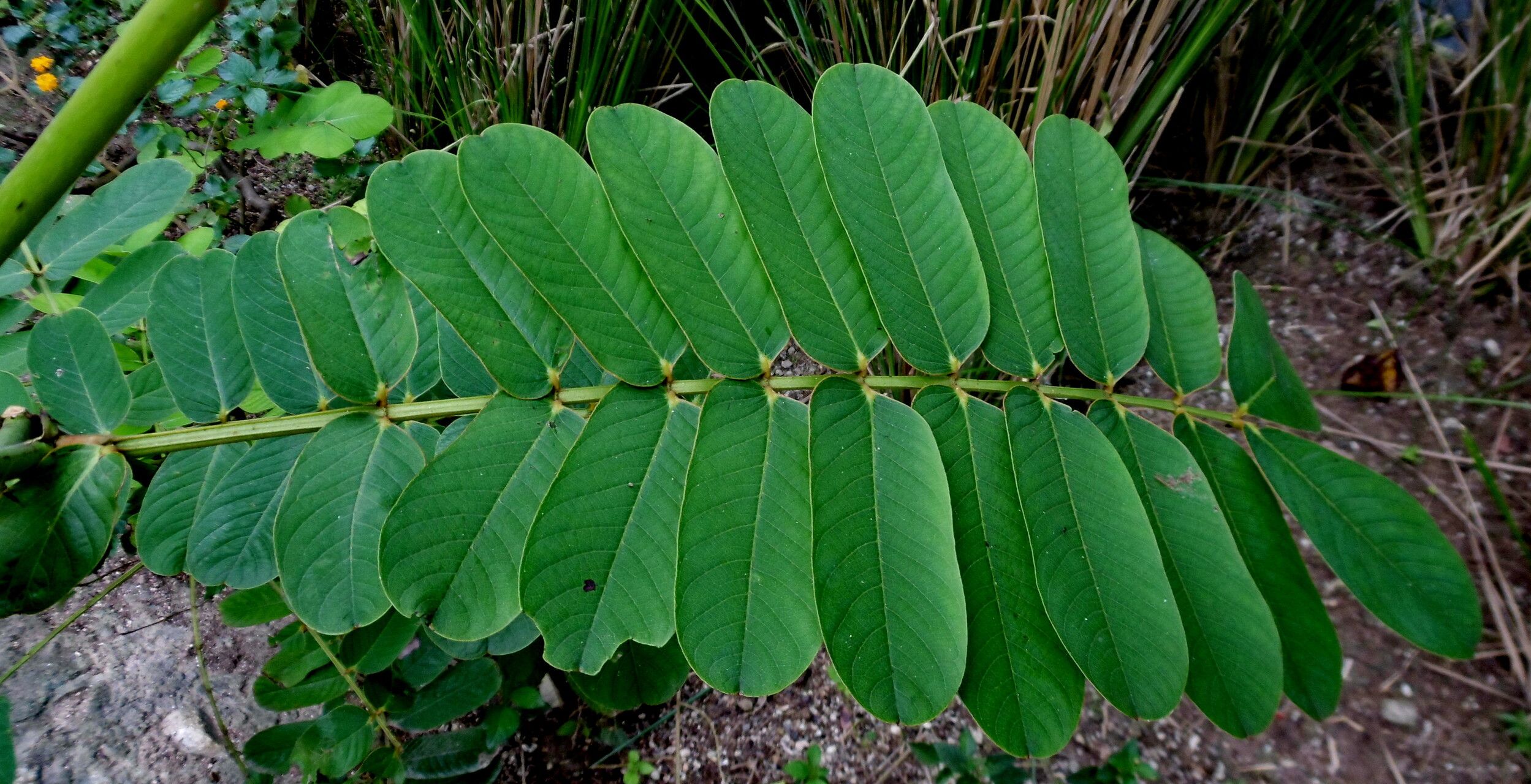
Hello fellow plant lovers! It’s so good to be chatting with you today. If you’re looking for a plant that brings a burst of sunshine and a whole lot of charm to your garden, then Senna alata, also known as the candle bush or Christmas candle, might be just the ticket. Its vibrant, cascading yellow blooms really do look like fiery torches, and let me tell you, watching those flower spikes form and unfurl is incredibly satisfying.
Now, the good news? Propagating Senna alata is a joy, and I’d say it’s quite beginner-friendly. You don’t need to be a seasoned pro to get new plants from your existing beauties. It’s a wonderful way to share the magic or simply expand your own collection without breaking the bank.
When to Get Your Hands Dirty
The absolute sweet spot for propagating Senna alata is during its active growing season. Think late spring through summer. This is when the plant has plenty of energy to put into developing new roots. You’ll find cuttings taken from healthy, vigorous stems in this period are much more likely to take off. Avoid trying to propagate when the plant is dormant or stressed.
Your Propagation Toolkit
Gathering your supplies before you start makes the whole process so much smoother. Here’s what you’ll want on hand:
- Sharp Pruning Shears or a Knife: Clean cuts are key for preventing disease.
- Rooting Hormone (Optional but Recommended): This little helper can significantly boost your success rate. Look for one specifically for stem cuttings.
- Well-Draining Potting Mix: A good blend for this is usually 50% peat moss or coco coir and 50% perlite or coarse sand. It keeps things airy and prevents waterlogging.
- Small Pots or Seed Trays: Anything that can hold your cuttings and the soil. Make sure they have drainage holes!
- Plastic Bags or a Humidity Dome: To create a humid microclimate around your cuttings.
- Watering Can or Spray Bottle: For gentle watering.
Bringing New Senna to Life
Senna alata is pretty adaptable, but I find the most reliable methods are stem cuttings and, if you have a mature plant, division.
Stem Cuttings:
- Find a healthy stem: Look for a stem that’s about pencil-thick and has been growing vigorously. Avoid woody or very soft, new growth.
- Make your cut: Using your clean shears or knife, take a cutting that is 6-8 inches long. Make the cut just below a leaf node – that’s the little bump where a leaf grows from the stem.
- Prepare the cutting: Gently remove the lower leaves. You want to expose the leaf nodes, as this is where roots will emerge. Leave just a couple of leaves at the top to help with photosynthesis. If the leaves are very large, you can even cut them in half to reduce water loss.
- Dip in rooting hormone: If you’re using it, dip the cut end of the stem into the rooting hormone powder, tapping off any excess.
- Pot it up: Make a hole in your prepared potting mix with your finger or a pencil. Insert the cut end of the stem into the hole, ensuring the leaf nodes are buried. Gently firm the soil around it.
- Create a humid environment: Water the soil gently. Then, cover the pot with a plastic bag or place it under a humidity dome to keep the air moist. You can prop the bag up with sticks so it doesn’t touch the leaves.
- Find a warm spot: Place your potted cuttings in a bright location, but out of direct, harsh sunlight.
Division (for established plants):
If you have a larger, well-established Senna alata, you might be able to divide it.
- Gently unpot: Carefully remove the entire plant from its pot or dig it up from the ground.
- Inspect the root ball: Look for natural divisions where the plant has already started to separate into smaller clumps.
- Separate the clumps: You can often pull the clumps apart with your hands. If they are very dense, you might need to use a clean trowel or knife to gently cut through the roots.
- Replant: Pot each division into its own container with fresh, well-draining soil. Water well and treat as you would a new cutting in terms of light and humidity.
The “Secret Sauce” for Success
Here are a couple of things I’ve learned over the years that really make a difference:
- Bottom Heat is Your Friend: Senna alata roots are a bit like sunbathers – they love warmth from below! Pop your pots on a heating mat designed for propagation. This encourages root formation much faster than ambient room temperature alone. You can find them online or at garden centers.
- Don’t Drown Your Cuttings: While humidity is crucial, still water is the enemy. Make sure your soil is consistently moist but never soggy. If water pools on the surface after watering, you’ve added too much. And with water propagation (though less common for Senna), ensure leaf nodes are submerged, but not the leaves themselves.
Nurturing Your New Sprouts & What to Watch For
Once your cuttings have been in their humid home for a few weeks, you can start to check for roots. Gently tug on a cutting – if there’s resistance, roots are forming! You can also look for new leaf growth, which is a good sign.
Once you see signs of healthy root development, it’s time to gradually introduce them to a less humid environment. Slowly lift the humidity dome or poke a few holes in your plastic bag over a week or so. Then, you can transplant them into slightly larger pots if needed, still using that well-draining mix.
Common culprits for failure include rot, which usually happens from overwatering and poor drainage, and drying out, which is easily avoided with consistent moisture and that crucial humidity. If your cutting turns black and mushy, unfortunately, it’s likely gone too far. Don’t be discouraged though; just try again!
Keep Growing!
Propagating plants is a rewarding journey, full of learning and patience. Don’t be afraid to experiment, and celebrate every success, no matter how small. Watching that tiny cutting develop into a vibrant new Senna alata is such a thrill. Now go ahead, get your hands a little dirty, and enjoy the magic of growing!
Resource:
https://identify.plantnet.org/k-world-flora/species/Senna%20alata%20(L.)%20Roxb./data