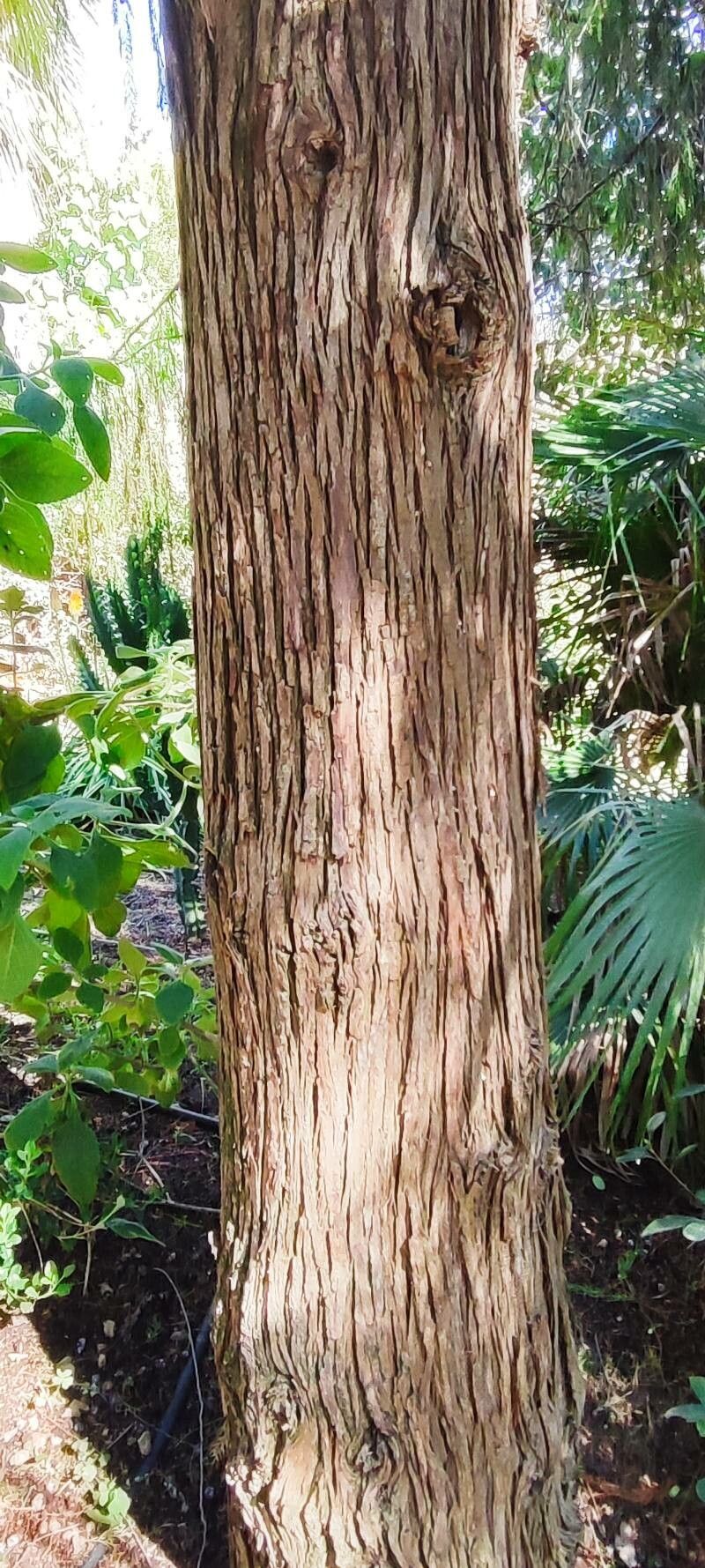
Hello there, fellow garden enthusiasts! Today, we’re diving into something truly special: growing your own Cupressus pendula, also known as the Weeping Cypress. Isn’t its graceful, drooping form just captivating? It brings such an elegant, almost melancholic beauty to any landscape. And the satisfaction of nurturing a new plant from a tiny cutting? Well, that’s a joy that never gets old for me.
Now, if you’re just starting out, you might be wondering if the Weeping Cypress is a tricky one. Honestly, it can be a bit of a patient gardener’s plant when it comes to propagation. It’s not quite “stick it in the ground and forget it” easy, but with a little care and the right approach, it’s absolutely achievable and incredibly rewarding.
The Best Time to Start
For the best chance of success, I always find late spring to early summer is the sweet spot for taking cuttings from your Weeping Cypress. This is when the plant is actively growing, and the new, semi-hardwood shoots have a bit of flexibility and a good chance of rooting. Avoid taking cuttings from very soft, new growth or old, woody stems.
Supplies You’ll Need
To get your Weeping Cypress project off to a good start, gather these essentials:
- Sharp Pruning Shears or a Knife: Clean, sharp tools are crucial for making clean cuts and preventing disease.
- Rooting Hormone: This is a real game-changer. I prefer a powdered form.
- Well-Draining Potting Mix: A good blend for conifers is key. I often use a mix of equal parts perlite, coarse sand, and peat moss. Avoid heavy, water-retentive soils.
- Small Pots or Trays: Choose pots with good drainage holes.
- Plastic Bags or Propagation Dome: To create a humid environment for your cuttings.
- Spray Bottle: For misting.
- Gravel or Small Stones: For the bottom of pots if you’re concerned about drainage.
- Labeling Stakes: To remember what you’ve planted and when!
Propagation Methods
While there are a few ways to go, stem cuttings are my go-to method for Weeping Cypress. It’s direct, effective, and gives you a good number of potential new plants.
Propagating by Stem Cuttings:
- Select Your Cuttings: With your clean shears, select healthy, vigorous shoots from your mature Weeping Cypress. Look for stems that are about 4-6 inches long and have started to firm up but are not yet woody. You want a section that’s flexible but not floppy.
- Prepare the Cuttings: Gently remove the lower leaves from about two-thirds of the cutting. This prevents them from rotting when they’re in the soil. If the leaves are large, you can carefully trim them in half horizontally. Make a clean cut just below a leaf node (where a leaf attaches to the stem).
- Apply Rooting Hormone: Dip the cut end of each prepared cutting into your rooting hormone, tapping off any excess. Make sure the bottom inch or so is coated.
- Insert Cuttings: Fill your small pots with your prepared well-draining potting mix. Make a hole in the center of the mix with a pencil or a dowel. Carefully insert the base of each cutting into the hole, ensuring the root hormone stays put. Gently firm the soil around the cutting to secure it. Don’t overcrowd the pots; give each cutting some space.
- Create Humidity: Water your pots gently after planting. Then, place them inside a plastic bag or cover them with a propagation dome. You want to create a mini greenhouse effect. Ensure the leaves don’t press directly against the plastic.
The “Secret Sauce” (Pro Tips)
Here are a few things I’ve learned over the years that make a big difference:
- The “Heel” Trick: Sometimes, if you can gently pull a shoot downwards from the parent branch, it will naturally take a small sliver of the parent bark with it. This little “heel” can encourage faster rooting. Just make sure you’re not damaging the parent plant.
- Apply Bottom Heat: This is a real game-changer for many conifers. Placing your pots on a heat mat designed for seeds and cuttings can significantly speed up root development. Weeping Cypress likes a bit of warmth from below.
- Don’t Overwater, But Don’t Let Them Dry Out: This is a delicate balance. The soil should be consistently moist, but never soggy. Check the moisture level by feeling the soil or lifting the pot to gauge its weight. Soggy soil is the fastest way to root rot.
Aftercare & Troubleshooting
Once your cuttings are planted, find a bright location that receives indirect light. Avoid direct, hot sun, which can scorch the delicate new growth. Mist the leaves occasionally with your spray bottle, especially if the humidity isn’t quite right inside your plastic enclosure.
Be patient! It can take several weeks or even months for roots to develop. You can gently tug on a cutting after about 6-8 weeks. If there’s resistance, you likely have roots!
The most common sign of failure is rot. If your cuttings turn brown, mushy, or develop black spots, it’s usually a sign of too much moisture or poor air circulation. You might need to adjust your watering or improve ventilation. If you see mold, gently remove the affected cutting.
A Encouraging Closing
So there you have it! Propagating the Weeping Cypress is a journey of patience and observation. Don’t be discouraged if your first attempt isn’t perfect. Every gardener has had their share of failures – it’s all part of the learning process. Keep trying, enjoy the quiet satisfaction of nurturing these beauties, and soon you’ll be admiring your very own Weeping Cypress trees. Happy gardening!
Resource:
https://identify.plantnet.org/k-world-flora/species/Cupressus%20pendula%20Thunb./data