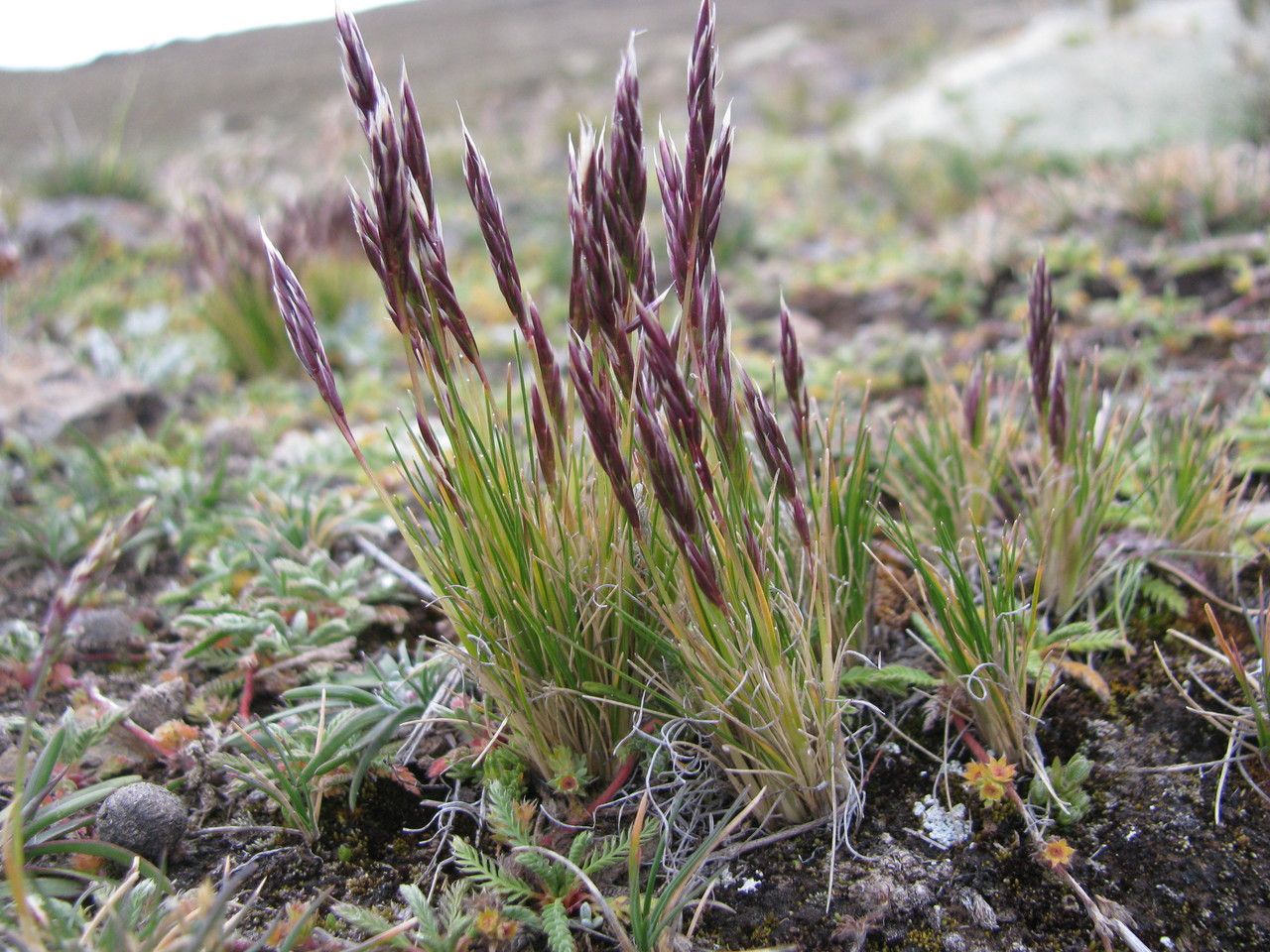
Hey there, fellow plant enthusiasts! I’m so thrilled to chat with you today about one of my absolute favorite ornamental grasses – Stipa hans-meyeri. Honestly, this grass is like a whisper of silver-green elegance in the garden. Its delicate plumes catch the light beautifully, adding movement and texture that I just can’t get enough of. If you’re looking to fill your garden with this airy beauty or share it with friends, propagating it yourself is incredibly rewarding. And good news for those of you just starting out – Stipa hans-meyeri is quite forgiving, making it a wonderful plant to practice your propagation skills on.
The Best Time to Start
For the best luck with Stipa hans-meyeri, I always find that early spring is the sweet spot. As the weather warms up and your plant is just starting to shake off its winter slumber, it’s bursting with energy. This is the prime time to divide clumps; the plant is eager to grow and will establish itself quickly. For cuttings, late spring or early summer, after the initial flush of growth, also works well.
Supplies You’ll Need
Gathering your supplies beforehand makes the whole process much smoother. Here’s what I usually have on hand:
- Sharp Pruning Shears or a Clean Knife: For taking cuttings or dividing clumps. Sterilize them with rubbing alcohol to prevent disease.
- Well-Draining Potting Mix: A mix of regular potting soil, perlite, and a bit of coarse sand is perfect. You want it to drain like a sieve.
- Small Pots or Trays: Clean containers with drainage holes are a must.
- Rooting Hormone (Optional but helpful): For cuttings, this can give them a little boost.
- Watering Can or Spray Bottle: For gentle watering.
- Labels and a Pen: To keep track of what you’ve planted and when.
- A Sunny or Bright, Indirect Light Location: For your new propagations to grow.
Propagation Methods
Stipa hans-meyeri is most easily propagated by division, which is my go-to method. It’s a simple way to get more plants from an established clump.
Division
- Gently Excavate: First, dig around the base of your established Stipa hans-meyeri plant. You want to loosen it from the soil without causing too much damage.
- Lift and Separate: Carefully lift the entire clump out of the ground.
- Divide the Roots: You’ll see that the plant naturally forms multiple segments. Gently pull these segments apart with your hands. If they’re a bit stubborn, you can use your clean knife or shears to make the cut. Aim to get sections with both roots and shoots.
- Replant Immediately: Plant your divided sections into pots filled with your well-draining potting mix or directly into their new garden homes. Make sure they’re planted at the same depth they were originally.
- Water Gently: Give them a good drink of water, but avoid waterlogging the soil.
While division is the easiest, you can try stem cuttings if you’re feeling adventurous.
Stem Cuttings (A Bit More Fiddly)
- Select Healthy Shoots: In late spring or early summer, look for non-flowering, actively growing shoots. About 4-6 inches long is ideal.
- Take Your Cuttings: Using your sterilized shears, make a clean cut just below a leaf node.
- Prepare the Cutting: Remove the lower leaves from the cutting, leaving just a few at the top. If you’re using rooting hormone, dip the cut end into it now.
- Plant the Cuttings: Insert the cut end into pots filled with your prepared, moist potting mix. Ensure the leaf nodes you removed are below the soil surface.
- Provide Humidity: Mist the cuttings lightly and cover the pot with a clear plastic bag or place it in a propagator to keep humidity high.
- Find the Right Spot: Place the pots in a bright location with indirect light.
The “Secret Sauce” (Pro Tips)
Here are a couple of tricks I’ve learned over the years that really make a difference:
- Don’t Overwater Divisions: While newly planted divisions need moisture to settle in, they don’t like to sit in soggy soil. I always err on the side of leaving the soil slightly drier between waterings initially. Think “thoroughly moist,” not “soggy.”
- Bottom Heat for Cuttings: If you’re trying stem cuttings, and especially if your home is on the cooler side, using a heated propagator or placing the pots on a heat mat makes a huge difference. It encourages root development much faster.
Aftercare & Troubleshooting
Once your divisions or cuttings have their roots established (you can gently tug on them to feel resistance, or see roots poking from the drainage holes), it’s time to think about their permanent home.
- Gradual Acclimation: If your cuttings were started indoors, gradually introduce them to outdoor conditions over a week or two. This “hardening off” process prevents shock.
- Watering: Water new plantings regularly until they are well-established. Once they’re settled, Stipa hans-meyeri is quite drought-tolerant, but they’ll appreciate water during dry spells.
- Watch for Rot: The biggest enemy is soggy soil. If your cuttings start to yellow and wilt, or if a division looks sickly and mushy at the base, it’s likely root rot. This is a sign of too much moisture and poor drainage. Pull out affected plants, and discard them to prevent spreading. Ensure your soil is always free-draining.
A Little Encouragement
You’ve got this! Propagating Stipa hans-meyeri is a joy, and watching those little plants take hold is incredibly satisfying. Don’t be discouraged if you have a few that don’t make it; nature has its own rhythm. Just keep experimenting, be patient, and most importantly, enjoy the process of growing more of this stunning grass for your garden. Happy propagating!
Resource:
https://identify.plantnet.org/k-world-flora/species/Stipa%20hans-meyeri%20Pilg./data