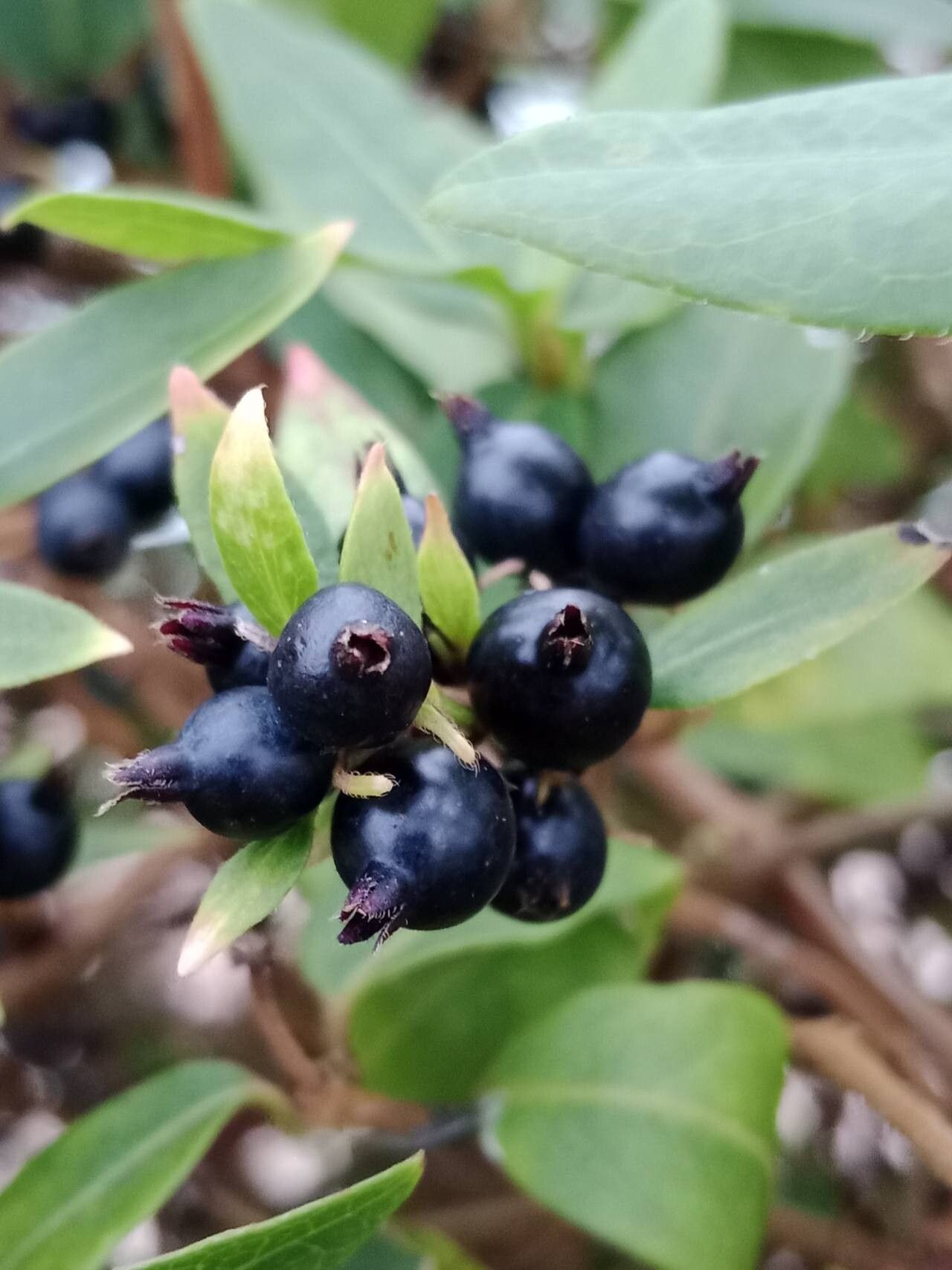
Hello, fellow garden enthusiasts! Today, I want to chat about a vine that brings so much fragrance and beauty to so many gardens: Lonicera acuminata, also known as the acuminata honeysuckle. Its delicate, sweetly scented flowers are a magnet for pollinators, and its vigorous growth makes it a fantastic choice for covering arbors, fences, or even rambling over walls. For me, propagating Lonicera acuminata has always been a joy. It’s a plant that’s quite forgiving, making it a wonderful project for beginners and experienced gardeners alike. There’s a special kind of satisfaction in watching something you nurtured from a tiny cutting flourish into a blooming beauty.
The Best Time to Start
When you’re looking to multiply your Lonicera acuminata, the absolute best time to get your cuttings is during the late spring or early summer. This is when the plant is in active growth, but the stems have started to mature slightly – we call these “semi-hardwood” cuttings. They’re not the super floppy new growth, nor are they the tough, twiggy old stuff. This sweet spot offers the perfect balance for successful rooting.
Supplies You’ll Need
- Sharp pruning shears or a clean knife: To make clean cuts.
- Rooting hormone: A powdered or gel form works well. It’s not strictly necessary for Lonicera, but it does give your cuttings a helpful boost.
- Small pots or seed trays: With drainage holes, of course!
- A good quality potting mix: I prefer a blend of peat moss or coco coir and perlite for excellent drainage and aeration. You want something airy!
- A plastic bag or propagation dome: To create a humid environment.
- Watering can or spray bottle: For gentle watering.
- Labels: To remind you what you’ve planted and when!
Propagation Methods
Let’s get our hands dirty! Stem cuttings are my go-to for Lonicera acuminata, and they’re wonderfully straightforward.
Stem Cuttings:
- Take Your Cuttings: On a mild day, select healthy, non-flowering stems from your mature Lonicera acuminata. Using your clean shears, cut stems that are about 4-6 inches long. Make the cut just below a leaf node (where a leaf attaches to the stem). This is crucial because that’s where the rooting potential is highest.
- Prepare the Cuttings: Gently remove the lower leaves from the cutting, leaving only the top couple of leaves. This prevents them from rotting in the soil and reduces moisture loss. If you’re using rooting hormone, dip the cut end into it, tapping off any excess.
- Planting Time: Fill your pots or trays with your moist potting mix. Make a small hole in the center of the mix with your finger or a pencil.
- Insert the Cuttings: Carefully place the prepared cutting into the hole, ensuring the leaf nodes you bared are below the soil surface. Gently firm the soil around the cutting to ensure good contact.
- Create a Humid Home: Water the soil gently. Then, cover the pots with a plastic bag or propagation dome. This traps humidity, which is vital for cuttings while they develop roots. If you don’t have a dome, you can simply secure a plastic bag around the pot with a rubber band.
The “Secret Sauce”
Here are a few little tricks I’ve learned over the years that really make a difference:
- Mist Regularly: Even with the dome, give your cuttings a gentle misting every couple of days. It helps keep the leaves turgid and signals to the plant that it’s still in a moist environment, encouraging root development.
- Consider Bottom Heat: If you have a tendency for your cuttings to rot or take a while to root, a heating mat placed underneath the pots can be a game-changer. It provides warmth to the soil, which really spurs root growth. It’s like a cozy spa treatment for your cuttings!
- Patience is Key: Lonicera can sometimes be a bit slow to show signs of rooting. Don’t get discouraged if you don’t see much happening for several weeks. Keep the environment consistently moist and bright, and trust the process.
Aftercare & Troubleshooting
Once you start to see new leaf growth on your cuttings, that’s a very good sign that roots are forming! You can gently tug on a cutting (very gently, of course!) to feel for resistance – that’s roots anchoring it.
Once you’re confident they’ve rooted (usually after 4-6 weeks, sometimes longer), you can gradually acclimate them to drier air by removing the plastic bag for increasing periods each day. Continue to keep the soil consistently moist but not waterlogged. Once they have a decent root system and are growing well, you can repot them into slightly larger containers.
The most common issue you might encounter is rot. If you see the cutting turning black or mushy, it’s a sign of too much moisture and not enough air circulation. Ensure your soil mix is free-draining and that you’re not overwatering. Sometimes, sadly, a cutting just won’t take. Don’t beat yourself up! Gardening is all about trial and error, and learning what works best in your specific conditions.
So there you have it! Propagating Lonicera acuminata is a wonderfully rewarding way to fill your garden with more of this delightful vine. Be brave, get your hands grubby, and enjoy the journey. Happy gardening!
Resource:
https://identify.plantnet.org/k-world-flora/species/Lonicera%20acuminata%20Wall./data