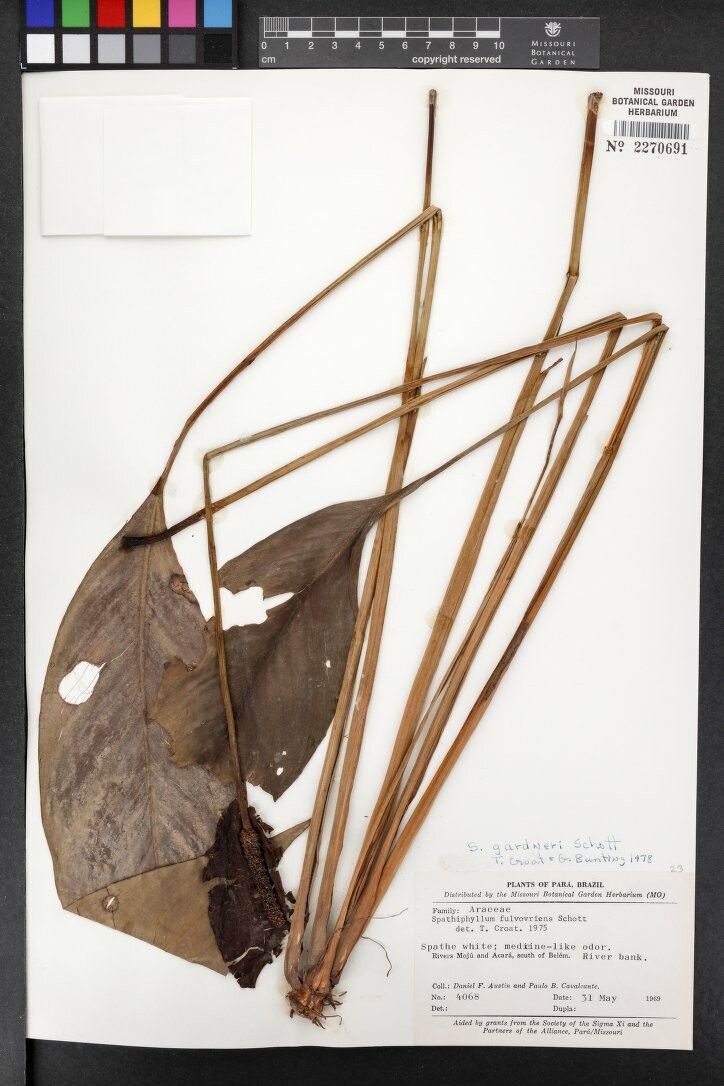
Oh, hello there! Come on in and grab a mug. I’m so glad you’re interested in coaxing more of those beautiful Peace Lilies, Spathiphyllum gardneri, into your home. They really are such elegant plants, aren’t they? With their glossy leaves and those pristine white spathes that look almost like they’ve been sculpted, they bring a touch of serenity to any corner. And truthfully, propagating them is a wonderfully rewarding endeavor. You get to watch new life emerge from your existing favorites, and it’s surprisingly accessible. Beginners, I think you’ll find this a delightful journey.
The Best Time to Start
The absolute best time to get your Peace Lily propagation party started is during the spring or early summer. This is when the plant is in its most active growth phase. Think of it like giving your little cuttings a head start in the race – warmer temperatures and longer daylight hours encourage rapid root development and overall vigor. Trying to propagate too late in the year, when things start to cool down, can mean slower progress and a higher chance of setbacks.
Supplies You’ll Need
Before we dig in, let’s gather our bits and bobs. Don’t worry, nothing too fancy here:
- Sharp Pruning Shears or a Clean Knife: For making clean cuts.
- Small Pots or Containers: Terracotta or plastic ones work well.
- Well-Draining Potting Mix: A good blend of peat moss, perlite, and a bit of compost is ideal. You can also find specific “seed starting” or “houseplant” mixes.
- Rooting Hormone (Optional but Recommended): A powder or gel can give your cuttings a real boost.
- Clear Plastic Bags or a Propagation Dome: To create a humid environment.
- Water: For water propagation or to moisten your soil.
- Small Trowel or Spoon: For scooping soil.
Propagation Methods
Peace Lilies are pretty straightforward to propagate, and the most common and successful method for Spathiphyllum gardneri is by division. This is when you gently separate a mature plant into smaller, independent plants.
Method: Division
- Gently Remove the Plant: Carefully take your Peace Lily out of its pot. If it’s a bit snug, you might need to loosen the edges with a knife or run your fingers around the rim.
- Inspect the Root Ball: Once it’s out, give the root ball a good look. You’re looking for evident sections where the plant naturally divides. You’ll see distinct clumps of leaves and roots growing from what looks like separate crowns.
- Separate the Divisions: This is the delicate part. You can often gently pull the plant apart with your hands. If the roots are really intertwined, you might need to use your clean pruning shears or knife to carefully cut through the root ball, making sure each division has a good portion of roots and at least a couple of healthy leaves.
- Pot Up Your New Plants: Fill your new pots with your well-draining potting mix. Make a little well in the center and place your division in it. Ensure the crown (where the leaves emerge from the roots) is level with the soil surface. Don’t bury it too deep!
- Water Gently: Water thoroughly until water drains from the bottom. This helps settle the soil around the new roots.
While division is king for Peace Lilies, if you happen to have a broken stem with a node (that swollen bit where leaves grow from), you can try water propagation. However, it’s less reliable for them than division.
Water Propagation (for Stems with Nodes):
- Take a Cutting: Select a healthy stem with at least two leaves and a node. Make a clean cut just below the node.
- Remove Lower Leaves: Strip off any leaves that will fall below the waterline.
- Place in Water: Put the cutting in a jar or vase filled with clean, room-temperature water.
- Position Appropriately: Make sure the node is submerged, but don’t let the leaves touch the water. This can lead to rot.
- Change Water Regularly: Refresh the water every few days to keep it clean and oxygenated.
- Wait for Roots: Be patient! Roots can take a few weeks to appear. Once they are about an inch long, you can carefully pot them into soil.
The “Secret Sauce” (Pro Tips)
Now, for a couple of little tricks I’ve learned over the years that really make a difference:
- The “Hydration Hug”: After you’ve potted up your divisions, give them a really good watering. Then, loosely cover the pots with a clear plastic bag or pop a propagation dome over them. This creates a mini-greenhouse, trapping humidity and reducing water loss from the leaves while the roots are still getting established. Just make sure there’s a little air circulation; you don’t want it to get stagnant.
- Bottom Heat is Your Friend: If you have a seedling heat mat, place your potted divisions on it. Peace Lilies love warmth, and a little gentle bottom heat encourages those roots to wake up and start growing much faster. It’s like a cozy little spa day for your new plants!
Aftercare & Troubleshooting
Once your new little Peace Lilies have settled in, keep their soil consistently moist but never waterlogged. They appreciate humidity, so misting occasionally or placing them near other plants can be beneficial. When you see new leaf growth pushing up, you know they’re happy and establishing themselves.
Now, what if things don’t go exactly as planned? The most common culprit is rot. This usually happens when the soil is too wet and there isn’t enough air circulation. If you notice yellowing leaves that progress quickly to mushy stems, it’s likely rot. Don’t be discouraged! Remove the affected parts immediately, and ensure your soil is a good, free-draining mix. If you’ve potted a division and it looks like it’s wilting severely and not perking up after a few days, it might not have enough established roots to support the foliage. In this case, you can try increasing the humidity around it (remember the “hydration hug”) or slightly reducing the amount of light it receives until it bounces back.
A Encouraging Closing
Propagating Peace Lilies is a beautiful way to multiply your joy. Be patient, observe your new plants, and don’t be afraid to experiment a little. Every gardener has their own little quirks and successes. The most important thing is to enjoy the process of watching these lovely plants thrive and grow under your care. Happy propagating!
Resource:
https://identify.plantnet.org/k-world-flora/species/Spathiphyllum%20gardneri%20Schott/data