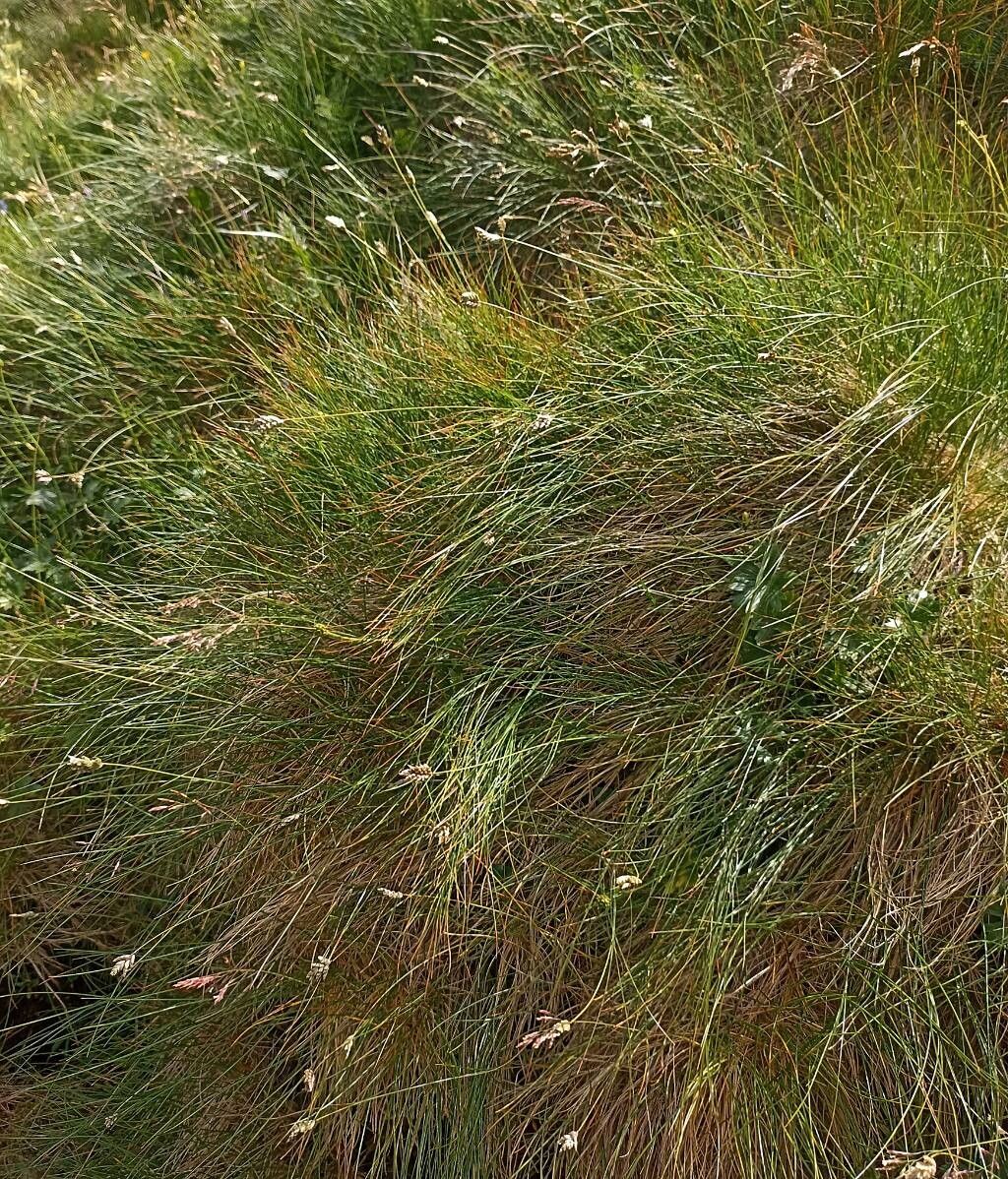
Hello, fellow garden lovers! Today, I want to chat about a truly delightful grass that doesn’t get quite enough attention: Sesleria juncifolia, often called Moorgrass or Rush-leaved Sesleria. I’ve had the joy of gardening with it for two decades now, and let me tell you, its tidy, evergreen form and subtle beauty are a real treat. Plus, it’s surprisingly forgiving, making it a wonderful plant to try propagating. Growing new plants from your existing favorites is one of the most rewarding parts of this hobby, and Sesleria juncifolia is a fantastic candidate for even beginner propagation efforts.
The Best Time to Start
For Sesleria juncifolia, spring is truly your best bet. When the plant is coming out of its winter dormancy and showing fresh, vigorous new growth, that’s prime time. You want to catch it before things get too hot and dry, giving your new divisions or cuttings plenty of time to establish before summer’s heat or winter’s chill arrives.
Supplies You’ll Need
Gathering these simple items will set you up for success:
- Sharp pruning shears or a clean knife: For making neat cuts.
- Potting mix: A well-draining mix is crucial. I like to use a blend of good quality potting soil with perlite or horticultural grit to ensure good aeration.
- Pots or trays: Small pots for divisions or a tray if you’re trying cuttings. Make sure they have drainage holes!
- Rooting hormone (optional but recommended for cuttings): A small amount can give cuttings a helpful boost.
- Watering can or spray bottle: For gentle watering.
- Labels and a marker: To keep track of what you’ve planted.
Propagation Methods: Let’s Get Our Hands Dirty!
Sesleria juncifolia is most easily propagated through a method we call division. This is where you physically split a larger plant into smaller ones. If you’re feeling a bit more adventurous, taking divisions is usually the most straightforward approach.
Division Method:
- Dig it Up: Gently dig around the base of your mature Sesleria juncifolia plant. You want to lift the entire root ball carefully from the ground or its pot. It’s best to do this when the soil is slightly moist, not bone dry or waterlogged.
- Inspect and Separate: Once the plant is out, gently shake off any excess soil so you can see the root structure and the clumps of foliage. Look for natural divisions. You can usually see where one clump of leaves meets another at the base.
- Make the Cut (or Pull Apart): Using your sharp pruning shears or knife, carefully cut or pull apart the plant into smaller sections. Each section needs to have a decent amount of roots and at least a few leafy shoots. Don’t be afraid to be firm, but also gentle enough not to shred the roots. If a section seems particularly stubborn, a clean cut is better than ripping.
- Pot Them Up: Pot each new division into its own container, using your well-draining potting mix. Plant them so the base of the foliage is just at soil level.
- Water Gently: Water the newly potted divisions thoroughly but gently. You want the soil to be moist, not soaking wet.
The “Secret Sauce” (Pro Tips)
Here are a couple of things I’ve learned over the years that make a big difference:
- Don’t Overcrowd on the First Try: When you’re dividing, aim for sections that are a good size – not too tiny! A clump with a few shoots and a good root system has a much better chance of success than a minuscule bit. It’s better to have a few healthy new plants than a whole tray of struggling ones.
- Embrace the Shade: After dividing, your new Sesleria juncifolia plants will be a little stressed. Place them in a bright location, but out of direct, hot sun for the first week or two. This will help them recover and focus their energy on root development rather than frying their leaves.
Aftercare & Troubleshooting
Once your divisions are potted, keep them consistently moist but not soggy. A good rule of thumb is to water when the top inch of soil feels dry. You might see some wilting initially as the plant adjusts – this is normal. However, if you notice your new plants looking really sad, yellowing excessively, or if the soil stays saturated for days, you might have a rot issue. Ensure good drainage in your pots and soil to prevent this. Patience is key here; it can take several weeks for them to really start showing signs of new growth.
Well, there you have it! Propagating Sesleria juncifolia is a simple, satisfying way to expand your garden and share these lovely grasses with friends. Don’t be discouraged if your first attempt isn’t perfect. Gardening is all about learning and observing, and with a little practice, you’ll be dividing and multiplying your Moorgrass with ease. Happy gardening!
Resource:
https://identify.plantnet.org/k-world-flora/species/Sesleria%20juncifolia%20Suffren/data