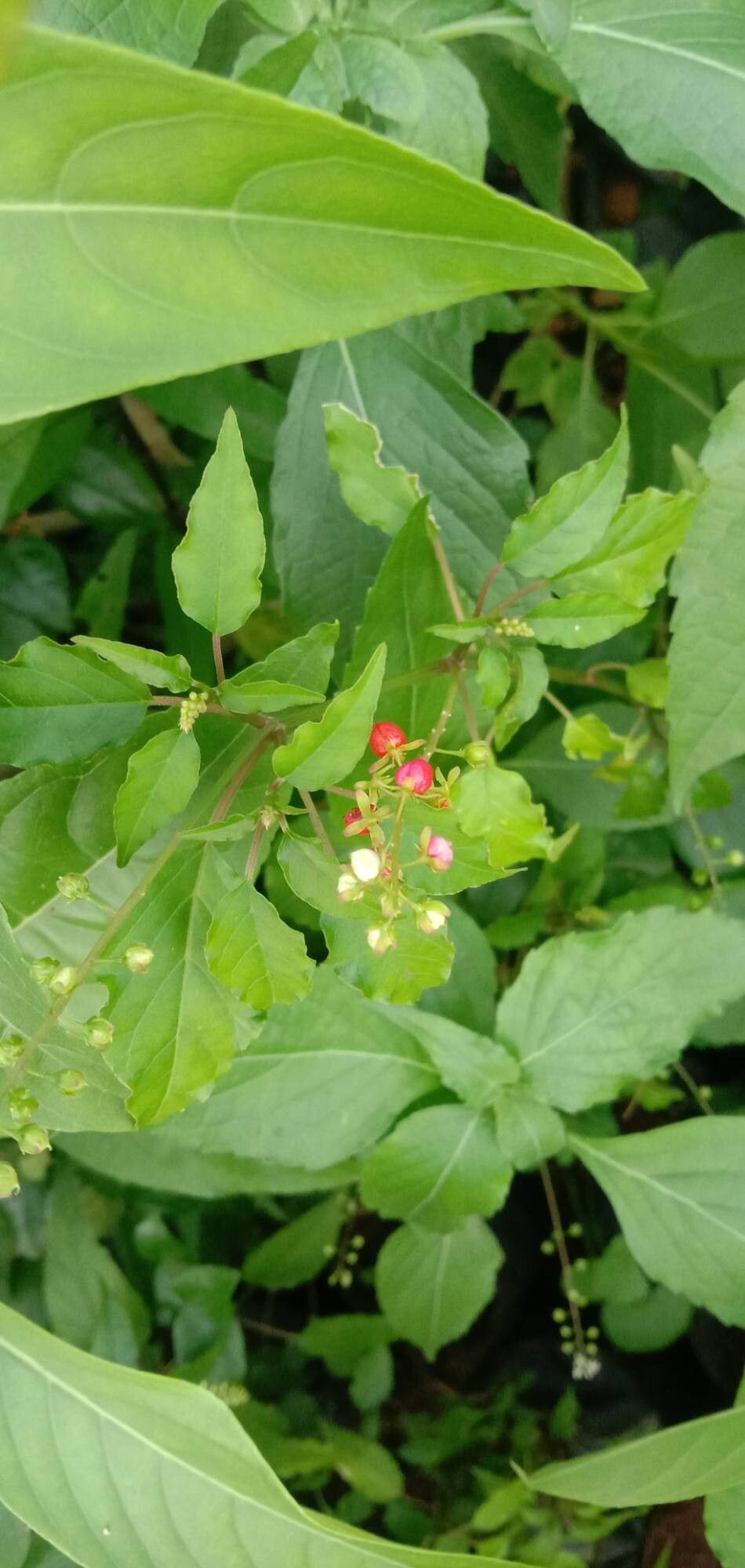
Hello fellow garden enthusiasts! Today, I want to chat about a little gem that brings so much charm to any space: Rivina humilis, also known as Bloodberry or Pigeonberry. I’ve always adored this plant for its delicate, cascading stems, its small white flowers, and those stunning, jewel-like red berries that appear like magic. It’s a fantastic way to add a splash of vibrant color, especially in shadier spots or as that lovely trailing element in a mixed container.
Now, if you’re wondering whether this is a good plant for beginners to try propagating, I can happily say that yes, it is! While nothing is guaranteed in the plant world (that’s part of the adventure, right?), Rivina humilis is quite forgiving. Getting new plants from your existing one is not only rewarding but also a wonderful way to share the joy of gardening with friends.
The Best Time to Start
For the highest success rate with Rivina humilis, I find late spring to early summer to be ideal. This is when the plant is actively growing and has plenty of energy to put into developing new roots. You’re looking to take cuttings from stems that are firm and somewhat mature, but not woody. Think of a stem that bends rather than snaps – that’s usually just right.
Supplies You’ll Need
Here’s a quick rundown of what you’ll want to have on hand:
- Sharp Pruning Shears or a Clean Knife: Essential for making clean cuts.
- Rooting Hormone (Optional but Recommended): A little boost can speed things up and increase your success. I like the powder form.
- Well-Draining Potting Mix: A standard potting mix with added perlite or vermiculite works beautifully. Alternatively, a mix specifically for seed starting or propagation is excellent.
- Small Pots or Trays: Clean containers are key to prevent disease.
- Watering Can or Spray Bottle: For gentle watering.
- Clear Plastic Bag or Dome: To create a humid environment for your cuttings.
- Labels and Marker: To keep track of your plants!
Propagation Methods
Let’s get our hands dirty with the best ways to multiply your Rivina humilis.
Stem Cuttings
This is my go-to method for Rivina humilis because it’s straightforward and yields great results.
- Select Your Cuttings: Choose healthy, non-flowering stems that are about 4-6 inches long.
- Make the Cut: Using your clean shears or knife, make a clean cut just below a leaf node (the point where a leaf attaches to the stem). This is where roots are most likely to form.
- Prepare the Cutting: Gently remove the lower leaves, leaving just two or three at the top. This prevents them from rotting in the soil or water and reduces moisture loss.
- Apply Rooting Hormone (Optional): Dip the cut end into your rooting hormone, tapping off any excess.
- Plant Your Cuttings:
- In Soil: Fill your small pots with your prepared, moistened potting mix. Make a small hole with your finger or a pencil. Insert the cutting, ensuring the leaf nodes are below the soil surface. Gently firm the soil around the stem.
- In Water: You can also place cuttings in a jar of clean water. Make sure no leaves are submerged – they’ll just rot. Change the water every few days.
- Create Humidity: Whichever method you choose, cover the pot or jar with a clear plastic bag or a propagation dome. This traps moisture and keeps the humidity high, which is crucial for cuttings to root. If you’re using a bag, you might want to prop it up with stakes so it doesn’t touch the leaves.
Division (Less Common for Beginners, but Possible)
If you have a particularly mature and bushy Rivina humilis, you might be able to divide it.
- Gently Remove from Pot: Carefully take the plant out of its original container.
- Inspect the Root Ball: Look for natural divisions within the root system. You’re looking for clumps that have their own roots and stems.
- Separate: Using your hands or a clean knife, gently pull or cut the root ball apart into smaller sections. This is best done when the plant is not actively flowering or fruiting.
- Repot: Pot each division into its own container with fresh, damp potting mix. Treat them like established plants, but keep them in slightly shadier conditions for a week or two to help them acclimate.
The “Secret Sauce” (Pro Tips)
Here are a couple of tricks I’ve learned over the years that often make a difference:
- Bottom Heat is Your Friend: For cuttings rooted in soil, placing the pot on a gentle heat mat can significantly speed up root formation. Think of it like a little warm hug for your cuttings.
- Patience with Water Cuttings: When propagating in water, you might be tempted to jostle the cuttings to check for roots. Resist the urge! Let them be. Roots can take a few weeks to appear, and sometimes you’ll see them emerge in very surprising places.
Aftercare & Troubleshooting
Once you’ve spotted those tiny white roots emerging from the cut end of your stem (in water) or peeking through the soil (in pots), your Rivina humilis cuttings are well on their way!
- Transitioning to Soil: If you propagated in water, wait until the roots are about an inch long, then carefully plant them into a pot with well-draining soil. Be gentle; those young roots are delicate.
- Gradual Acclimation: For both soil and water-propagated plants, gradually introduce them to more light and less humidity. Remove the plastic bag or dome for increasing periods over a week or so.
- Watering: Water when the top inch of soil feels dry to the touch. Avoid overwatering – that’s the most common mistake!
- Common Signs of Failure:
- Yellowing Leaves: This can sometimes indicate overwatering or too much direct sun.
- Wilting and Browning: If the cutting turns mushy and brown, it’s likely rotted. This usually happens due to too much moisture and not enough air circulation. Ensure your pots have drainage holes!
- No Growth: If after several weeks you see absolutely no signs of rooting or new growth, it may be that the cutting wasn’t viable, the conditions weren’t right, or it simply didn’t take. Don’t let it discourage you!
A Little Patience Goes a Long Way
Propagating Rivina humilis is a wonderfully accessible way to expand your plant collection. It’s a process that teaches you observation and patience. Don’t be afraid to experiment, and celebrate every little success. Enjoy the journey of growing these beautiful plants from tiny beginnings! Happy gardening!
Resource:
https://identify.plantnet.org/k-world-flora/species/Rivina%20humilis%20L./data