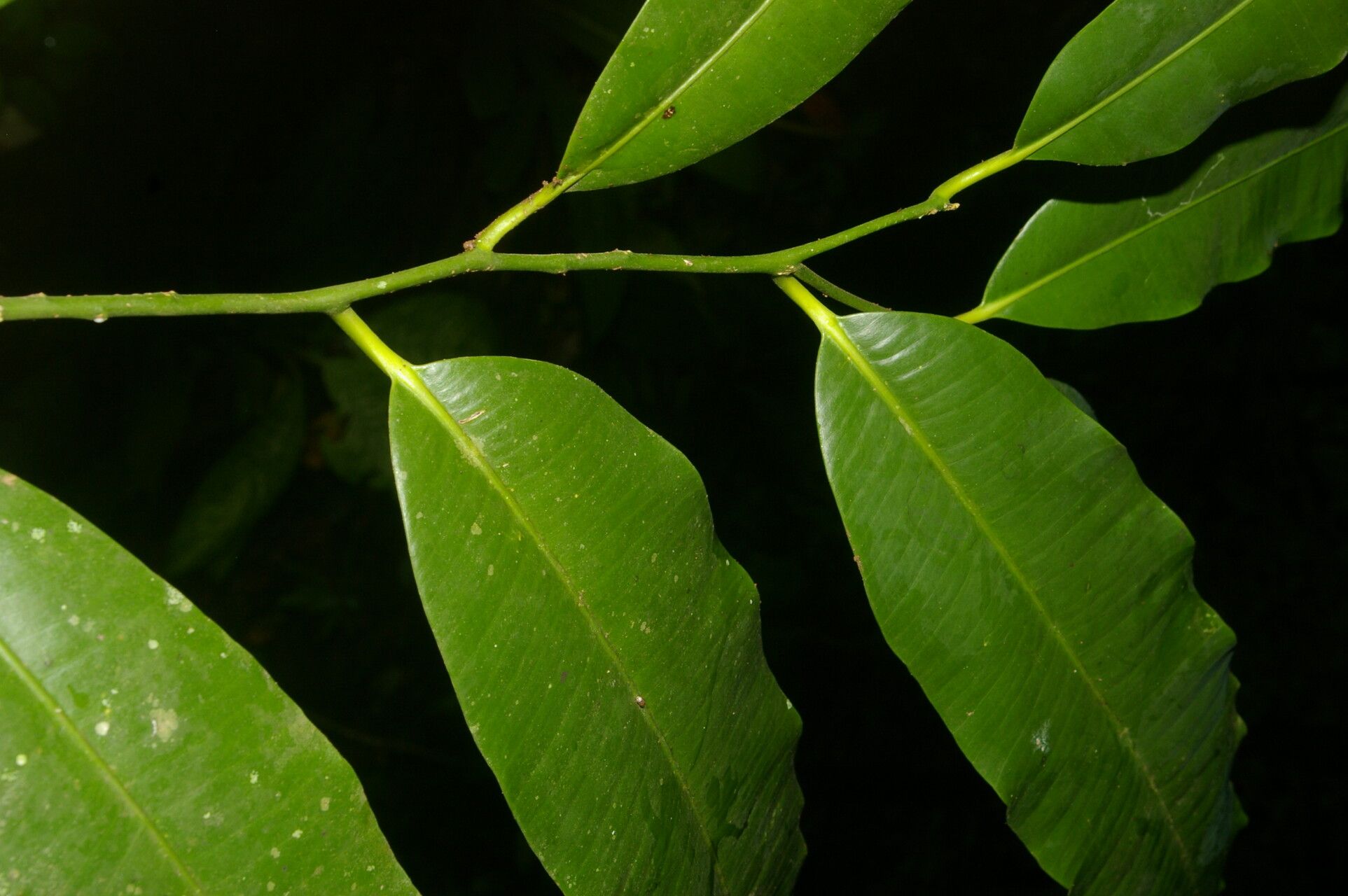
Hey there, fellow plant lovers! It’s me, your friendly garden guru, ready to spill some secrets about a plant that has truly captured my heart: Aspidosperma spruceanum. You might know it by its common name, the ‘Carne de Vaca’ or ‘White Wood’. This tree, with its stunning silvery bark and elegant form, is a real showstopper. Seeing a new little Aspidosperma sprout from a humble cutting feels like magic, a truly rewarding experience that connects you with the life cycle of these magnificent plants. Now, if you’re wondering if it’s a walk in the park for a beginner, I’d say it’s a moderately rewarding challenge. It requires a little patience and attention to detail, but the results are absolutely worth it.
The Best Time to Start Your Aspidosperma Adventure
My favorite time to take cuttings of Aspidosperma spruceanum is definitely in the late spring or early summer. This is when the plant is in its most vigorous growth phase. You’ll find plenty of healthy, new shoots that are more likely to root successfully. Avoid taking cuttings during periods of extreme heat or cold, as this can stress the parent plant and the cuttings themselves.
Supplies You’ll Need
Gathering your materials before you start makes the whole process much smoother. Here’s what I find indispensable:
- Sharp, clean pruning shears or a knife: For making nice, clean cuts. Hygiene is key to preventing disease!
- A well-draining potting mix: I love a blend of 50% perlite and 50% coco coir. This airy mix helps prevent sogginess.
- Rooting hormone (optional but recommended): A powder or gel will give your cuttings a significant boost.
- Small pots or seedling trays: For your baby plants.
- Clear plastic bags or domes: To create a humid microclimate.
- Watering can or spray bottle: For gentle watering.
Propagation Methods for Aspidosperma Spruceanum
While Aspidosperma spruceanum can be a bit particular, stem cuttings are generally my go-to method with good success.
- Select Your Cuttings: Look for healthy, semi-hardwood stems from the current season’s growth. Aim for pieces that are about 4-6 inches long. You want to see a few leaves along the stem, but not too many.
- Make the Cut: Using your clean shears or knife, make a clean, angled cut just below a leaf node. This is where new roots are most likely to form.
- Prepare the Cutting: Gently remove the lower leaves, leaving just two or three at the top. If the remaining leaves are quite large, you can cut them in half horizontally. This reduces water loss through transpiration while still allowing for photosynthesis.
- Apply Rooting Hormone: If you’re using it, dip the cut end of the stem into the rooting hormone, making sure it’s well coated. Tap off any excess.
- Plant Your Cuttings: Fill your small pots or trays with your prepared potting mix. Make a small hole in the center with your finger or a pencil. Insert the cutting into the hole, ensuring the node where you removed the leaves is well below the soil surface. Firm the soil gently around the stem.
- Create a Humid Environment: Water the potting mix thoroughly but gently. Then, cover the pots with a clear plastic bag or a humidity dome. This is crucial for keeping the cuttings from drying out before they develop roots. Make sure the leaves do not touch the plastic.
The “Secret Sauce” (Pro Tips)
Here are a few tricks I’ve learned over the years that really make a difference:
- Bottom Heat is Your Friend: If you have a seedling heat mat, place your pots on it. This gentle warmth encourages root development from below, significantly increasing your success rate.
- The ‘Air Layering’ Alternative: For particularly stubborn cuttings, or if you want to be extra sure, consider air layering. This involves making a small slit on a healthy branch while it’s still attached to the parent plant, wrapping that area with moist sphagnum moss, and then covering it with plastic. Roots will form within the moss, and you can then cut the rooted branch off to plant.
- Patience with the Parent Plant: When taking cuttings, remember that you’re asking a lot of the mother plant. Don’t overharvest. Take only a few cuttings from each branch, and always leave plenty of healthy foliage on the parent plant.
Aftercare & Troubleshooting
Once your cuttings have been planted, the real waiting game begins!
- Keep it Humid and Bright: Place your pots in a bright, indirect light location. Continue to keep them covered to maintain high humidity.
- Water Sparingly: Check the moisture level of the soil regularly. Water only when the top inch of soil feels dry. Avoid overwatering, as this is a quick way to invite root rot.
- Look for Roots: After several weeks, you might start to see new leaf growth, which is a good sign! You can also gently tug on the cutting; if you feel resistance, roots have begun to form. Once you see good root development, you can gradually remove the plastic cover over a few days to acclimate them to normal humidity.
- Troubleshooting Rot: The most common issue is rot. If you see your cutting turning black and mushy, it’s likely succumbed to rot. This is usually due to overwatering or poor air circulation. Unfortunately, a rotted cutting is usually a goner, so always aim for that ideal balance of moisture and aeration.
And there you have it! Propagating Aspidosperma spruceanum is a journey. It takes a bit of patience and a loving hand, but every little sprout you nurture is a testament to the incredible power of nature. Don’t be discouraged if your first few attempts aren’t perfect. Keep trying, observe your plants, and you’ll soon be surrounded by beautiful new white woods. Happy growing!
Resource: