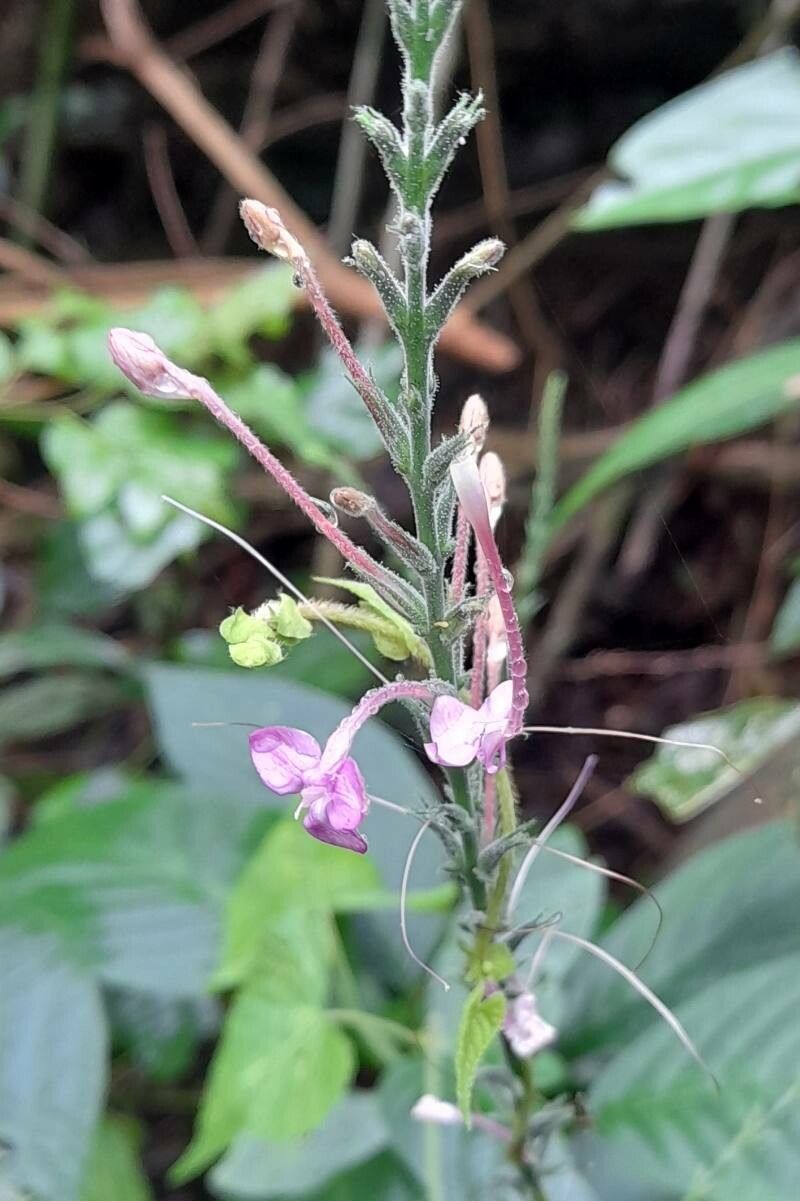
Hello, fellow plant enthusiasts! It’s so lovely to have you here. Today, I want to chat about a plant that brings such a cheerful splash of color and unique form to any space: Pachystachys dubiosa, often called the Golden Shrimp Plant. Its vibrant, shrimp-like blooms are truly a sight to behold, especially when they pop against glossy green leaves.
Propagating this beauty is a wonderfully rewarding endeavor. You get to witness new life emerge from a simple piece of the parent plant. It’s a fantastic way to expand your collection or share the joy with friends. For beginners, I’d say Pachystachys dubiosa falls into the moderately easy category. With a little attention and the right approach, you’ll be well on your way to success.
The Best Time to Start
Generally, the spring and early summer are your prime seasons for propagating Pachystachys dubiosa. New growth is vigorous at this time, meaning the cuttings are full of energy and ready to put down roots. You’ll want to take cuttings from healthy, actively growing stems – avoid anything that looks leggy or stressed.
Supplies You’ll Need
Gathering your supplies ahead of time makes the whole process smooth sailing. Here’s what I recommend:
- Sharp Pruning Shears or a Knife: Clean cuts are crucial.
- Potting Mix: A well-draining, light mix is key. I often use a blend of equal parts peat moss or coco coir, perlite, and a bit of compost.
- Rooting Hormone (Optional but Recommended): This little helper can significantly boost rooting success. Get one formulated for softwood cuttings.
- Small Pots or Seedling Trays: About 4-inch pots are perfect for individual cuttings.
- Clear Plastic Bags or a Propagator: To maintain humidity.
- Water Source: For watering and, if you choose, water propagation.
- Labels and a Marker: Always good practice to label what you’re planting and when!
Propagation Methods
I find two methods work wonderfully for Pachystachys dubiosa: stem cuttings and water propagation.
Method 1: Stem Cuttings
This is my go-to method for a reason. It’s reliable and yields healthy new plants.
- Take Your Cuttings: Select a healthy stem that’s not flowering. Using your clean shears, cut a piece about 4-6 inches long, making the cut just below a leaf node (where a leaf meets the stem).
- Prepare the Cuttings: Gently remove the lower leaves from the cutting. You want only the top two sets of leaves to remain. If your leaves are very large, you can even cut them in half to reduce water loss.
- Apply Rooting Hormone (Optional): Dip the cut end of the stem into your rooting hormone, tapping off any excess.
- Potting Up: Fill your small pots with your prepared potting mix. Make a small hole in the center with your finger or a pencil.
- Plant the Cuttings: Insert the prepared cutting into the hole, ensuring the leaf nodes are buried. Gently firm the soil around the base of the cutting.
- Water and Cover: Water the soil thoroughly until you see water draining from the bottom. Then, cover the pot with a clear plastic bag or place it in a propagator. This creates a mini-greenhouse effect, keeping the humidity high. Secure the bag with a rubber band or the propagator lid.
Method 2: Water Propagation
This method is visually satisfying as you can watch the roots grow!
- Prepare Your Cuttings: Follow steps 1 and 2 from the stem cuttings method.
- Place in Water: Find a clean jar or glass. Fill it with fresh, room-temperature water.
- Submerge the Cutting: Place the prepared cutting into the water, making sure that at least one or two leaf nodes are submerged. It’s crucial that the leaves themselves do not touch the water, as this can lead to rot.
- Placement: Set the jar in a bright spot, but out of direct sunlight.
- Change Water Regularly: Change the water every few days to keep it fresh and prevent bacterial growth.
The “Secret Sauce” (Pro Tips)
After years of trial and error, I’ve learned a few things that just seem to make propagation sing.
- Bottom Heat is Your Friend: Pachystachys dubiosa absolutely loves a little warmth from below. If you have a heat mat designed for seedlings, place your pots on it. This encourages faster root development. You can also try placing them on top of a warm refrigerator or other gently warm surface.
- Don’t Rush the Potting: For those propagating in water, wait until you see substantial root growth – at least an inch or two – before attempting to pot them into soil. This gives them a better chance to establish themselves without shock.
- A Gentle Mist Can Help: While covering your cuttings is important for humidity, give them a little daily misting with water to keep the leaves refreshed, especially before the roots are established.
Aftercare & Troubleshooting
Once you see signs of new growth emerging from the base, or if you’ve transplanted a water-propagated cutting, it’s time for a slightly more involved routine.
- Gradual Acclimation: If your cuttings were under a plastic bag, gradually introduce them to the open air over a few days. Remove the bag for a few hours each day, then gradually increase the time. This prevents shock.
- Regular Watering: Keep the soil consistently moist but not waterlogged. It should feel like a wrung-out sponge.
- Bright, Indirect Light: Continue to keep your new plants in a bright location, but shield them from direct, hot sun, which can scorch delicate new leaves.
- Signs of Trouble: The most common issue is rot. If your cutting turns black and mushy, it’s likely rotted. This usually happens from too much moisture and not enough air circulation, or if leaves are submerged in water. Another sign of failure can be wilting that doesn’t perk up after watering – this often means the roots haven’t formed. Don’t be discouraged if a few don’t make it; it’s part of the learning process!
A Little Patience Goes a Long Way
Propagating plants, much like life, is a journey. You’re nurturing new life, and that takes time and a bit of nurturing. Be patient with your new Pachystachys dubiosa cuttings. Celebrate the small victories – the tiny leaves unfurling, the first peek of roots. Enjoy the process, and soon you’ll have more of these stunning golden beauties to brighten your world. Happy propagating!
Resource: