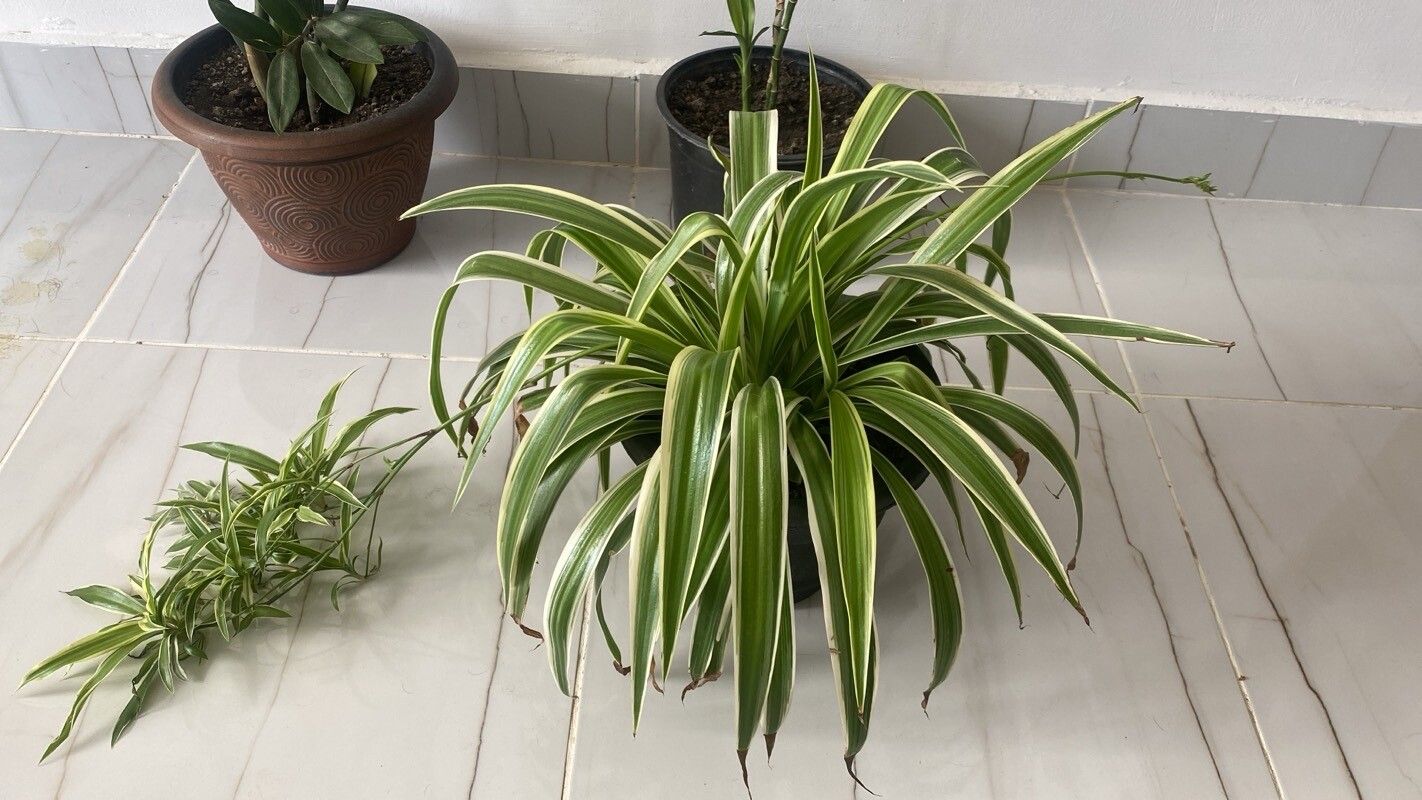
Hello, fellow plant lovers! Today, I’m so excited to talk about a plant that’s brought so much cheer to my own homes: Chlorophytum laxum. You might know it better as the Emerald Lace or Stripey Chlorophytum. Its elegant, arching leaves with their delicate white stripes are just stunning, and let’s be honest, who doesn’t love a plant that’s a little bit of a show-off?
The best part? It’s surprisingly easy to propagate! If you’re new to the plant parenting game or just looking for a fun project that won’t leave you pulling your hair out, this is a fantastic choice. You’ll be doubling, tripling, or even quadrupling your plant collection before you know it, which is incredibly rewarding.
The Best Time to Start
Spring is truly your best bet for propagating Chlorophytum laxum. Think of it as the plant’s natural growth spurt. When the days get longer and warmer, your existing plant will be bursting with energy, producing more babies (or “pups” as we affectionately call them) and the cuttings will be more eager to root. Aim to start in early to mid-spring, just as new growth is really getting going.
Supplies You’ll Need
Gathering your supplies beforehand makes the whole process smoother. Here’s what I usually have on hand:
- Sharp, clean pruning shears or scissors: Essential for making clean cuts.
- Small pots or containers: 3-4 inch pots are perfect for starting out.
- Well-draining potting mix: A good quality houseplant mix is fine, but I often add a bit of perlite or orchid bark to ensure excellent drainage.
- Rooting hormone (optional but recommended): Helps cuttings establish roots faster.
- Watering can or spray bottle: For gentle watering.
- Clear plastic bag or propagation dome (optional): To create a humid environment.
- Dibber or pencil: To make planting holes.
Propagation Methods
Chlorophytum laxum is a generous plant, and luckily for us, it’s pretty straightforward to propagate. The most common and successful methods are division and taking plantlets.
Method 1: Division (The Easiest Way!)
This is my go-to for Chlorophytum laxum because it’s so simple and the plant practically does the work for you.
- Gently remove the plant from its pot. Turn the pot on its side and slide the plant out. If it’s stuck, a little tap on the bottom usually does the trick.
- Inspect the root ball. You’ll likely see smaller plantlets clustered around the base of the main plant, some with their own little roots already forming.
- Gently tease the plant apart. Using your fingers, or a clean knife if it’s really dense, carefully separate the larger clumps into smaller sections. Each section should have at least a few leaves and some healthy roots. Don’t worry if a few roots break; it’s part of the process.
- Pot up the new divisions. Fill your new pots with your potting mix. Make a hole in the center with your finger or a dibber.
- Plant each division. Place a division in the hole, ensuring the roots are spread out gently, and backfill with soil, firming lightly around the base.
- Water gently. Give them a good drink to settle the soil and encourage root establishment.
Method 2: Taking Plantlets (Spider Babies!)
Chlorophytum laxum produces little baby plants, often called “pups” or plantlets, on long stems. These are like perfect little starter plants!
-
Identify mature plantlets on stems. Look for the long stalks that have formed a small cluster of leaves at the end. Ideally, these plantlets will have begun to form tiny roots.
-
Make a clean cut. Using your sharp shears, cut the stem fairly close to the plantlet, leaving a few centimeters of stem attached to the baby plant.
-
Prepare for planting. You can either plant these directly into soil or try water propagation.
- Soil Propagation: Fill small pots with your well-draining mix. Make a little hole with a pencil. Dip the cut end of the plantlet in rooting hormone (if using). Place the plantlet in the hole, covering the cut stem just slightly with soil. Water gently.
- Water Propagation: Fill a small jar or glass with water. Crucially, ensure none of the leaves are submerged in the water. Just the cut stem should be in the water. Place the jar in bright, indirect light.
The “Secret Sauce” (Pro Tips)
Over the years, I’ve learned a few things that can really give your propagation efforts a boost.
- Don’t overwater the divisions! This is the number one killer of new plantlets. Let the top inch of soil dry out between waterings, especially in the first few weeks. Overly wet soil can lead to rot.
- Consider bottom heat. If you’re propagating in cooler conditions, placing your pots on a gentle heat mat can significantly speed up root development. It mimics the warmth of spring soil.
- Give them a humid hug. If your air is dry, a clear plastic bag tented over the pot (with a few small holes for ventilation) or a propagation dome can create a mini-greenhouse effect. This helps prevent the leaves from drying out while the roots are establishing. Just make sure to air them out daily to prevent fungal issues.
Aftercare & Troubleshooting
Once your Chlorophytum laxum divisions or plantlets have started to root, you’re almost there!
- Check for roots. For those in water, you’ll see them easily. For those in soil, gently tug on the plant. If there’s resistance, roots have formed. You can also look for new leaf growth.
- Acclimatize gradually. If you’ve used a plastic bag or dome, start removing it for longer periods each day. You want to slowly get them used to your home’s normal humidity levels.
- Water as usual. Once established, water when the top inch of soil feels dry. They love consistent moisture but not soggy feet.
- Common problems: The most frequent issue is rot, usually caused by overwatering or poor drainage. If the leaves turn yellow and mushy at the base, or if the stems become soft and dark, it’s likely rot. There’s not much you can do once rot takes hold, so prevention is key! Another issue can be crispy brown leaf tips, which are usually a sign of dry air or inconsistent watering.
A Little Patience Goes a Long Way
Propagating plants is a journey, not a race. Celebrate the little wins – that first new leaf, the subtle resistance when you gently tug. Be patient with your new Chlorophytum laxum babies. They might seem slow at first, but with a little care and encouragement, they’ll grow into beautiful, established plants. Happy propagating!
Resource:
https://identify.plantnet.org/k-world-flora/species/Chlorophytum%20laxum%20R.Br./data