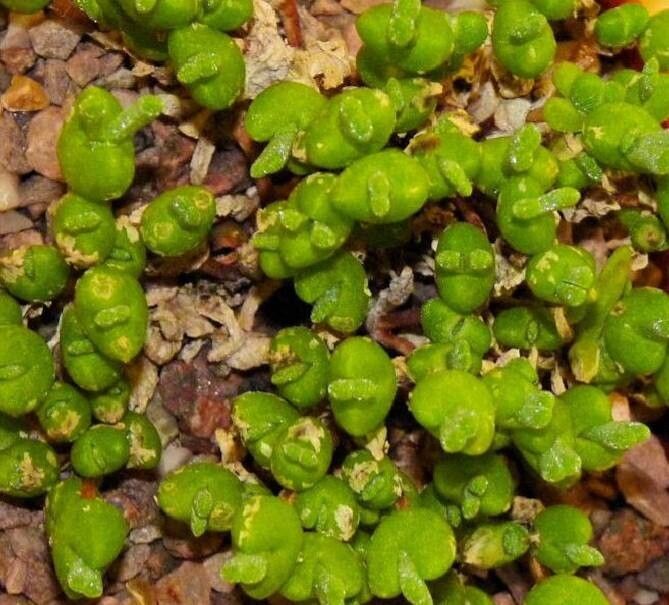
Hello fellow garden enthusiasts! It’s so lovely to have you join me today. I’m thrilled to be diving into the wonderfully rewarding world of propagating Meyerophytum meyeri. If you’ve ever admired those plump, jewel-like leaves and the charming, almost succulent character of these beauties, you’re in for a treat. Creating more of these little wonders from a single plant is incredibly satisfying – it’s like unlocking a secret garden, just for you!
Now, is Meyerophytum meyeri a plant for absolute beginners to propagate? I’d say it’s moderately easy. It’s not as straightforward as, say, a spider plant, but with a little attention and these tips, you’ll be well on your way to success.
The Best Time to Start
The prime time to propagate Meyerophytum meyeri is during its active growing season. For most of us, this means late spring through early summer. This is when the plant is full of energy, ready to push out new growth, and has the best chance of successfully rooting. Avoid propagating when the plant is dormant, usually in the cooler, darker months.
Supplies You’ll Need
Before we get our hands dirty, let’s gather our tools. Having everything ready makes the process so much smoother.
- Sharp, clean pruning shears or a sharp knife: Essential for making clean cuts.
- Rooting hormone (optional but recommended): Helps to speed up root development.
- Well-draining potting mix: A cactus or succulent mix is perfect. You can also make your own by combining equal parts potting soil, perlite, and sand.
- Small pots or trays: Clean, with drainage holes.
- Watering can or spray bottle: For gentle watering.
- Plastic bag or clear plastic dome: To maintain humidity.
- Small pebbles or perlite: For drainage at the bottom of pots (if using very shallow trays).
Propagation Methods
Meyerophytum meyeri can be propagated mainly through stem cuttings or division. I find stem cuttings to be my go-to method for this particular plant.
Stem Cuttings: My Favorite Way
This is where we take a piece of the parent plant and coax it into forming its own roots.
- Take the Cuttings: Using your clean shears or knife, select a healthy stem that has at least two or three sets of leaves. Make a clean cut just below a leaf node. Avoid taking old, woody stems; aim for vibrant, semi-firm growth.
- Allow to Callus: This is a crucial step for succulents and semi-succulents like Meyerophytum meyeri! Let the cut end of the stem dry out and form a callus over for a day or two. Place the cuttings in a dry spot, out of direct sun. This prevents rot when you stick them in soil.
- Dip in Rooting Hormone (Optional): Once callused, lightly dip the cut end into rooting hormone powder, tapping off any excess.
- Plant the Cuttings: Fill your small pots or trays with your well-draining potting mix. Make a small hole with your finger or a pencil, and gently insert the callused end of the cutting. Ensure at least one leaf node is buried in the soil.
- Water Lightly: Give the soil a light watering. You want it moist, not soggy.
- Create a Humid Environment: This is key! Cover the pots loosely with a plastic bag or place them under a clear plastic dome. This traps humidity around the cuttings, which is vital for root development. Place them in a spot with bright, indirect light.
Division: When Plants Get Crowded
If your Meyerophytum meyeri has started to clump and produce multiple offsets at the base, division is a great option.
- Remove from Pot: Gently slide the parent plant out of its pot.
- Carefully Separate: Inspect the root ball. Look for natural separation points where you can gently pull or cut apart sections, each with its own roots and some leafy growth.
- Let Callus (Again!): Just like with cuttings, allow any cut surfaces on the divisions to callus over for a day or two.
- Pot Up: Pot each division into its own container with well-draining soil. Water lightly.
The “Secret Sauce” (Pro Tips)
Here are a few things I’ve learned over the years that really make a difference:
- Less is More with Water: When you first plant your cuttings, they don’t have roots to absorb water. Overwatering is the quickest way to invite rot. Wait until the soil has dried out before watering again. I usually water maybe once a week, or even less, depending on the humidity of my setup.
- Bottom Heat is Your Friend: If you’re struggling with rooting times or live in a cooler climate, a gentle heat mat placed under your propagation trays can significantly speed things up. It mimics the warmth of spring and encourages root growth from below.
- Don’t Disturb Too Soon: Patience is gold! I resist the urge to tug on my cuttings to check for roots. Instead, I look for signs of new growth at the top, which indicates roots are forming below. This can take anywhere from 3 to 8 weeks.
Aftercare & Troubleshooting
Once you see signs of new growth – tiny leaves or even a slight stretching of the stem – and you gently tug to feel resistance, congratulations! Your cutting has likely rooted.
- Acclimatize: Gradually remove the plastic cover over a period of a few days to allow the new plant to adjust to normal humidity.
- Continue Regular Care: Water when the soil is dry, and provide bright, indirect light. Treat it much like a mature plant, but give it a little gentleness as it establishes.
- Watch for Rot: The biggest culprit is overwatering. If you see the leaves turning mushy or yellowing and falling off, or if the stem at the soil line becomes black and soft, you’re likely dealing with rot. Unfortunately, this is often difficult to come back from. Always prioritize excellent drainage and err on the side of underwatering.
- Pests: While not common with Meyerophytum meyeri, keep an eye out for typical houseplant pests like mealybugs. Address any infestations promptly with insecticidal soap or neem oil.
A Gentle Nudge to Keep Going
Propagating any plant is a journey, and Meyerophytum meyeri is no exception. There might be a few failures along the way – that’s just part of learning and growing! Don’t get discouraged. Each attempt teaches you something new. Enjoy the process of nurturing these little green darlings, and before you know it, you’ll have a small jungle of your own to admire. Happy propagating!
Resource: