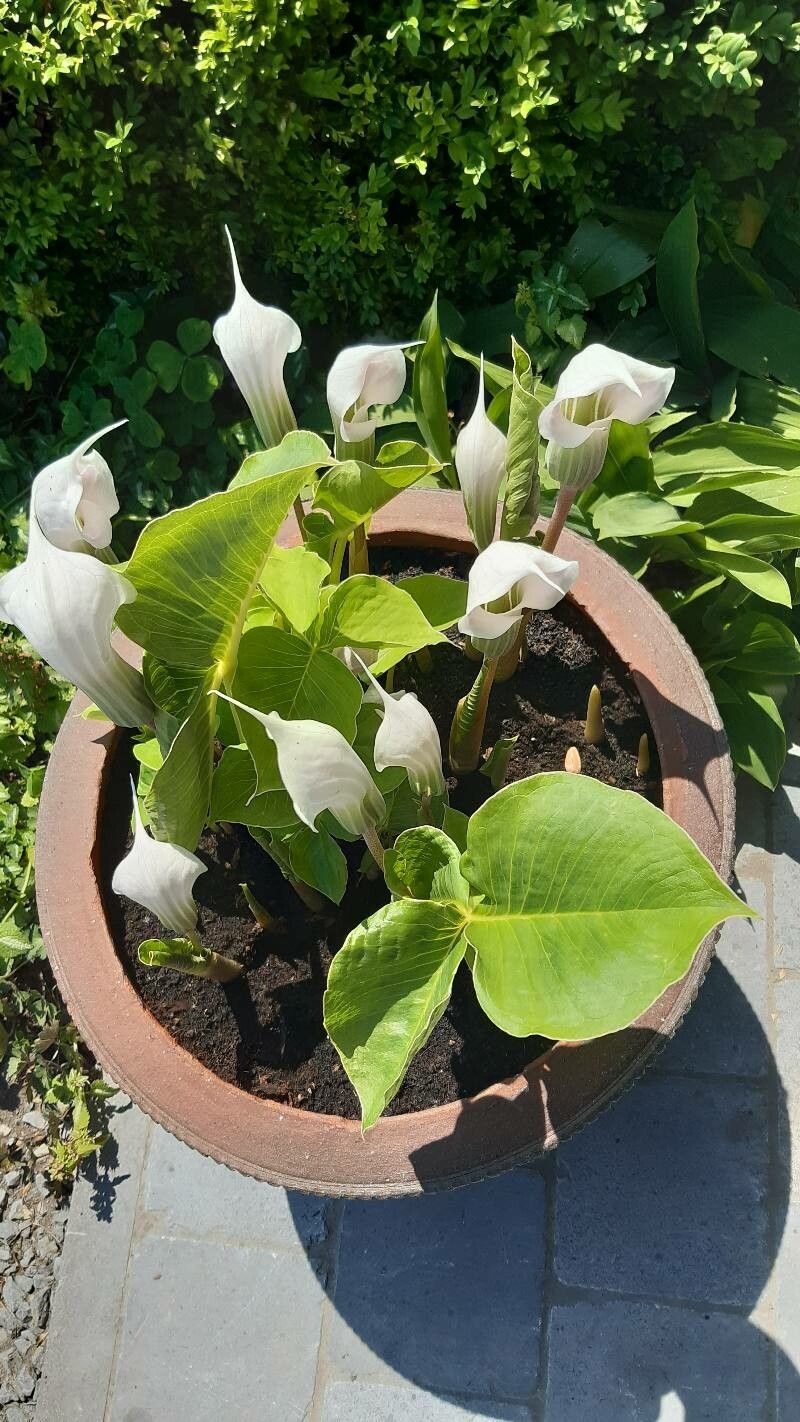
Hello my fellow garden enthusiasts! Today, we’re diving into the fascinating world of Arisaema candidissimum, or Ghost Cobra Lily, as it’s affectionately known. If you’ve ever admired its striking, hooded spathe and the elegant, often mottled leaves, you’re not alone. This plant is a true showstopper in the shady corners of the garden. And the best part? You can multiply your own personal patch of joy by propagating it!
Now, I won’t sugarcoat it for you. Arisaema candidissimum isn’t typically considered a beginner’s casual propagation project. It demands a bit of patience and understanding. But don’t let that deter you! With the right approach, it’s absolutely achievable, and the feeling of success when you see those tiny roots emerge is incredibly rewarding.
The Best Time to Start
For Arisaema candidissimum, the goldilocks zone for propagation is after flowering, usually late summer or early autumn. This is when the plant has already put in its spectacular show and is starting to gather energy for its dormant period. You’ll often find that the parent plant has produced offsets or bulbils, which are perfect candidates for a new start. Waiting until the leaves begin to yellow and decline is also a good indicator that the plant is ready to shift its focus below ground.
Supplies You’ll Need
Gathering your tools beforehand makes the whole process smoother. Here’s what I typically have on hand:
- Sharp, clean pruning shears or a sharp knife: Essential for making clean cuts.
- Well-draining potting mix: A blend of peat moss, perlite, and a bit of coarse sand works wonders. Think fluffy!
- Small pots or seed trays: Choose something appropriate for the size of the divisions or bulbils you’re working with.
- Horticultural grit or perlite: For top-dressing or mixing into your soil to improve drainage.
- Optional: Rooting hormone: While not always strictly necessary for divisions, it can give bulbils a little extra boost.
- Watering can with a fine rose: To water gently without disturbing delicate roots.
- Labels and a marker: So you don’t forget what you planted where!
Propagation Methods
Arisaema candidissimum is most commonly propagated by division and by its bulbils.
1. Division: Splitting the Mother Plant
This is my preferred method because you’re typically working with established pieces that already have a good start.
- Unearth Gently: In late summer or early autumn, carefully dig around the base of your established Arisaema. You want to expose the corm (the fleshy underground stem) and any offsets attached to it.
- Identify the Divisions: Look for smaller corms or bulb-like structures that have naturally separated from the main corm or are connected by a short, fleshy stem.
- Make the Cut: Using your clean pruning shears or knife, carefully cut the divisions away from the parent corm. If there’s a natural separation point, use that. If a small piece of the parent corm is attached to the division, that’s often a bonus, as it means there are stored reserves to help it get going.
- Allow to Dry (Optional but Recommended): This is a crucial step to prevent rot. Let the divisions sit in a dry, airy spot for a day or two until the cut surface has callused over.
- Pot Them Up: Plant each division in its own small pot filled with your well-draining potting mix. The top of the corm should be just at or slightly below the soil surface.
- Water Lightly: Give them a gentle watering. Avoid soaking the soil.
2. Bulbils: The Little Offspring
These are small, bulb-like structures that can form on the stem or at the base of the plant.
- Harvest Carefully: Once you spot bulbils, usually in late summer, gently twist or cut them from the parent plant. They often detach quite easily when mature.
- Prepare for Planting: You can plant them directly or let them cure slightly like the divisions, though it’s less critical for bulbils.
- Sow Shallowly: Plant the bulbils about 1-2 cm deep in your well-draining mix. They are very small, so you can plant several in one pot, keeping in mind they will need repotting later.
- Water Gently: A light misting is often sufficient initially.
The “Secret Sauce” (Pro Tips)
Here are a few little tricks I’ve learned over the years that make a difference:
- The Drying Trick is Key: I cannot stress this enough: let those cut surfaces dry and callus over. Arisaema corms are prone to rot, and this step significantly reduces that risk. It’s like giving them a little protective shield before they go into the soil.
- Bottom Heat for Bulbils: If you’re starting bulbils, especially those that might be a bit slower to awaken, providing a bit of gentle bottom warmth can really encourage them. A propagation mat set on a low setting can work wonders.
- Don’t Overwater After Planting: It’s so tempting to water a new plant, but for Arisaema divisions and bulbils, less is definitely more in the initial stages. They have reserves in their corms and can sprout roots from slight moisture. Overwatering is the quickest way to invite fungal issues.
Aftercare & Troubleshooting
Once your divisions or bulbils are planted, patience is your best friend.
- Initial Placement: Keep them in a bright, indirect light situation and consistently slightly moist, but never soggy. Cool to moderate temperatures are ideal.
- What to Expect: It might take weeks or even months for you to see new growth emerge from the soil. Don’t panic if nothing happens immediately! They are on their own schedule.
- Troubleshooting:
- Rot: The most common issue is rot. If you see a muddy, mushy corm or feel that the pot is waterlogged, you’ve likely overwatered. Sometimes, you can salvage a slightly rotted corm by cutting away the bad parts, letting the healthy section dry and callus, and repotting in fresh, dry soil.
- No Growth: If you’ve kept them consistently moist and they still show no signs of life after a couple of months, they might not have been viable or the conditions weren’t quite right. It happens!
A Encouraging Closing
Propagating Arisaema candidissimum is a journey, not a race. It teaches you about the plant’s natural life cycle and rewards your efforts with the potential for more of this magnificent foliage and bloom. Be patient, observe your cuttings, and celebrate the small victories. Before you know it, you’ll have a whole new generation of these captivating lilies gracing your garden. Happy propagating!
Resource:
https://identify.plantnet.org/k-world-flora/species/Arisaema%20candidissimum%20W.W.Sm./data