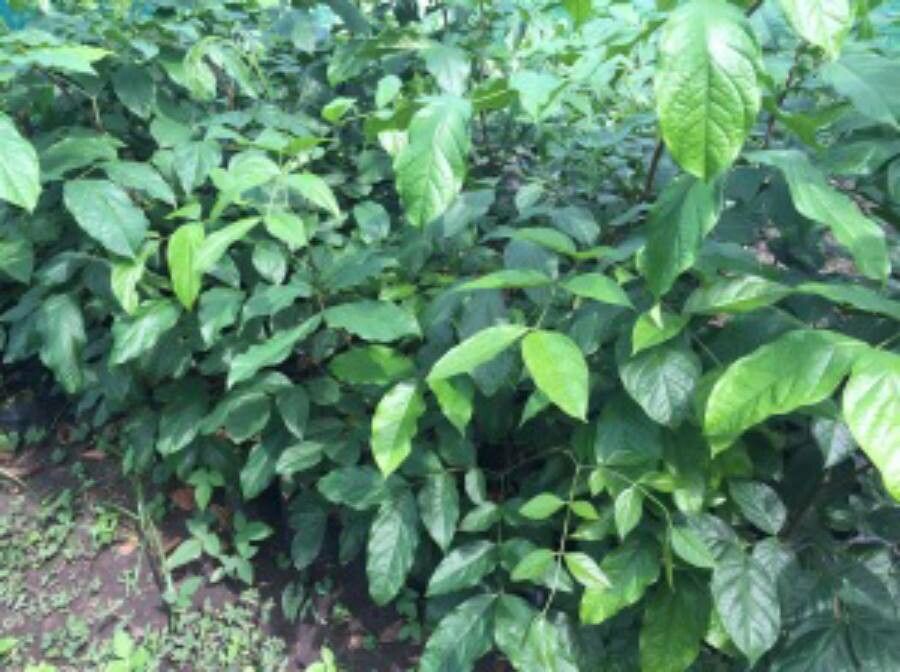
Hey there, fellow plant lovers! It’s so good to have you here. Today, we’re diving into one of my absolute favorite trees: Albizia, often called the Persian Silk Tree or Mimosa. Honestly, who can resist those fluffy, pink, fragrant blooms that seem to glow in the late afternoon sun? They truly add a touch of magic to any garden.
Propagating an Albizia is such a rewarding experience. You get to witness new life emerge from a tiny piece of your beloved tree, and soon enough, you’ll have more of those gorgeous blossoms to enjoy. While Albizia might seem a little daunting at first glance, I promise you, with a few key tips, it’s absolutely achievable, even for those of us still building our green thumbs.
The Best Time to Start
For the absolute best chance of success, I find that late spring to early summer, just as the plant is in its active growing phase, is prime time. You want to work with healthy, vigorous growth. Think of it as starting with the best ingredients for a delicious recipe – the same goes for our plant babies! This is when cuttings are most likely to form those crucial roots.
Supplies You’ll Need
Gathering your supplies beforehand makes the whole process so much smoother. Here’s a little toolkit I always have on hand:
- Sharp, clean pruning shears or a sharp knife: For making clean cuts.
- Rooting hormone: This is a lifesaver! I like the powdered kind.
- Well-draining potting mix: A good blend of perlite, peat moss, and a bit of compost works wonders. You can also buy specific seed-starting or cutting mixes.
- Small pots or trays with drainage holes: Little homes for your new sprouts.
- Plastic bags or a propagator lid: To create a humid environment.
- Watering can with a fine rose or spray bottle: For gentle watering.
- Labels and a marker: To keep track of what’s what!
Propagation Methods
While Albizia can be grown from seed, stem cuttings are generally my go-to for a more predictable outcome and to ensure you’re getting a clone of your existing wonderful tree.
Stem Cuttings Method:
- Select Your Cuttings: Head out to your Albizia on a warm, sunny day. Look for healthy, semi-hardwood stems. These are usually about pencil-thick and have started to firm up a bit but are not completely woody. You want cuttings that are about 6-8 inches long.
- Make the Cut: Using your sharp pruning shears or knife, make a clean cut just below a leaf node. This is where roots are most likely to form. Remove any flower buds or developing seed pods, as these will sap energy from root development.
- Prepare the Cutting: Strip off the lower leaves, leaving just a few at the top. This reduces water loss.
- Apply Rooting Hormone: Dip the cut end of the stem into water, then into the rooting hormone. Tap off any excess.
- Plant Your Cuttings: Fill your small pots with the moist potting mix. Make a hole with a pencil or your finger, and gently insert the cutting, ensuring the rooting hormone-coated end is well within the soil. Firm the soil gently around the base.
- Create a Humid Environment: Water the soil thoroughly but gently. Then, either cover each pot with a clear plastic bag, securing it with a rubber band around the rim, or place the pots into a propagator with a lid. This traps moisture and humidity, which is vital.
The “Secret Sauce” (Pro Tips)
Here are a few things I’ve learned over the years that can really boost your success:
- Don’t let the leaves touch the water! If you’re using a method where the stem is in water, ensure the leaves are kept high and dry. Any submerged foliage will just rot and invite disease.
- Bottom heat is your friend. If you can provide a gentle heat source from below (like a heat mat designed for seedlings), it can significantly speed up root development. Think of it as giving those developing roots a cozy incubator to grow in.
- Patience is key with Albizia. These trees can sometimes be a bit slow to start. Don’t despair if you don’t see roots forming immediately. Keep the soil consistently moist but not soggy, and maintain that humidity.
Aftercare & Troubleshooting
Once you start seeing signs of new growth – perhaps little leaves unfurling at the top – it’s a good indication that roots are forming! That’s when you can begin to gradually acclimate your new plant to less humid conditions. If you used plastic bags, loosen them for a few hours a day, then gradually increase the time they are open.
The most common issue you might encounter is rot. This usually happens due to overwatering or poor drainage. If you see the stem getting soft and mushy, or if leaves are turning yellow and dropping very quickly, it’s a sign of rot. In this case, unfortunately, it can be hard to save. Ensure your soil is well-draining and only water when the top inch of soil feels dry to the touch.
A Encouraging Closing
Trust your instincts and enjoy the process of bringing new life into your garden. Propagating Albizia, like any gardening endeavor, is a journey. Some things will thrive, and others might teach you a valuable lesson. Keep experimenting, keep learning, and most importantly, keep nurturing those green dreams. Happy growing!
Resource:
https://identify.plantnet.org/k-world-flora/species/Albizia%20acle%20(Blanco)%20Merr./data