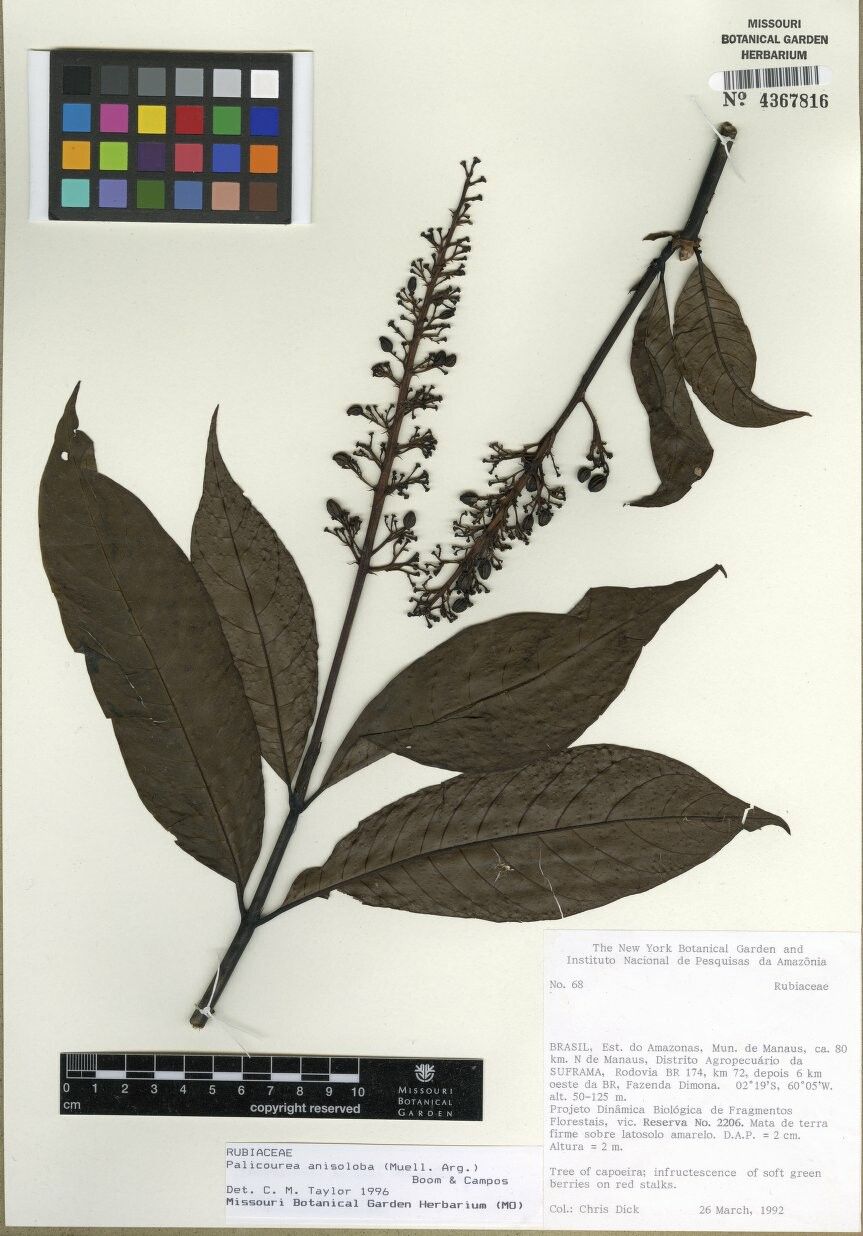
Oh, Palicourea anisoloba! If you’re looking for a splash of vibrant color and a bit of tropical charm in your garden, this is a plant you absolutely must get to know. Its clusters of bright, tubular flowers are a magnet for pollinators, and there’s something so deeply satisfying about coaxing a new life from a piece of an existing plant. While it might not be the absolute easiest for a complete beginner, with a little patience and attention, you’ll find propagating it is incredibly rewarding. Think of it as a delightful challenge that pays off beautifully!
The Best Time to Start
For the highest success rate with Palicourea anisoloba, I find that late spring to early summer is your sweet spot. This is when the plant is actively growing and has plenty of energy to put into developing new roots. You’ll want to select stems that are healthy and firm, but not yet woody. Think of them as being in that “just right” stage, like a perfectly ripe piece of fruit.
Supplies You’ll Need
Gathering your tools before you start makes the whole process much smoother. Here’s what I always have on hand for propagating Palicourea:
- Sharp, clean pruning shears or a razor blade: We need clean cuts to prevent disease.
- Rooting hormone (powder or gel): This is a great little helper to encourage strong root development.
- A well-draining potting mix: I like a blend of good quality potting soil with perlite or horticultural sand. About a 50/50 mix usually works wonders.
- Small pots or trays: For starting your cuttings.
- Clear plastic bags or a propagator: To create a humid environment.
- Watering can with a fine rose or a spray bottle: Gentle watering is key.
- Labels and a marker: Don’t forget to label your new babies!
Propagation Methods
Let’s get our hands dirty! The most surefire way I’ve found to propagate Palicourea anisoloba is through stem cuttings.
-
Take Your Cuttings: On a healthy, actively growing stem, find a section that’s about 4-6 inches long. Make a clean cut just below a leaf node (where a leaf attaches to the stem). Remove the lower leaves, leaving just a few at the very top.
-
Dip in Rooting Hormone: Gently dip the cut end of the stem into your rooting hormone, tapping off any excess. This gives your cutting a little boost.
-
Potting Up: Fill your small pots with your prepared potting mix. Make a small hole in the center with your finger or a pencil. Insert the cutting into the hole, ensuring the leaf node is buried in the soil. Gently firm the soil around the stem.
-
Create Humidity: Water the soil gently until it’s moist but not waterlogged. Now, cover the pot with a clear plastic bag, securing it around the rim of the pot with a rubber band, or place it in a propagator. This will trap humidity, which is crucial for cuttings to root.
-
Placement is Key: Place your pots in a warm spot that receives bright, indirect sunlight. Avoid direct sun, as it can scorch the tender cuttings.
The “Secret Sauce” (Pro Tips)
Here are a few things I’ve learned over the years that really make a difference:
- Don’t let those leaves touch the water (if you were thinking of water propagation): While some plants are happy to root in water, Palicourea cuttings can be prone to rot if their leaves sit submerged. Keep them above the waterline if you go that route, or stick with soil for better results.
- Bottom heat is your friend: If you have a seedling heat mat, placing your pots on it can significantly speed up root development. It mimics the warmth of the soil in its natural tropical environment.
- Don’t overwater, but don’t let them dry out completely: This is a delicate balance. Check the soil moisture regularly. The soil should feel consistently lightly moist, like a wrung-out sponge.
Aftercare & Troubleshooting
Once your cuttings have been in their humid environment for a few weeks, start checking for signs of root development. You might see a slight resistance when you gently tug on the stem, or you might even see tiny roots peeking out of the drainage holes.
As soon as you see good rooting, it’s time to gradually acclimate your new plant to normal conditions. Start by opening the plastic bag a little each day, slowly increasing the ventilation over a week or two. Continue to keep it in bright, indirect light and water as needed.
The most common problem you might encounter is rot. If a cutting looks mushy, turns black, or simply won’t root after a long time, it’s likely rotted. This is usually caused by too much moisture and not enough air circulation. Don’t be discouraged if a few don’t make it; it’s all part of the learning process!
Happy Propagating!
So there you have it – how to bring more of that lovely Palicourea anisoloba into your life. Be patient with your little cuttings. Sometimes it takes longer than you expect for roots to form, but the anticipation is part of the fun! Enjoy watching them grow and thrive. Happy gardening!
Resource: