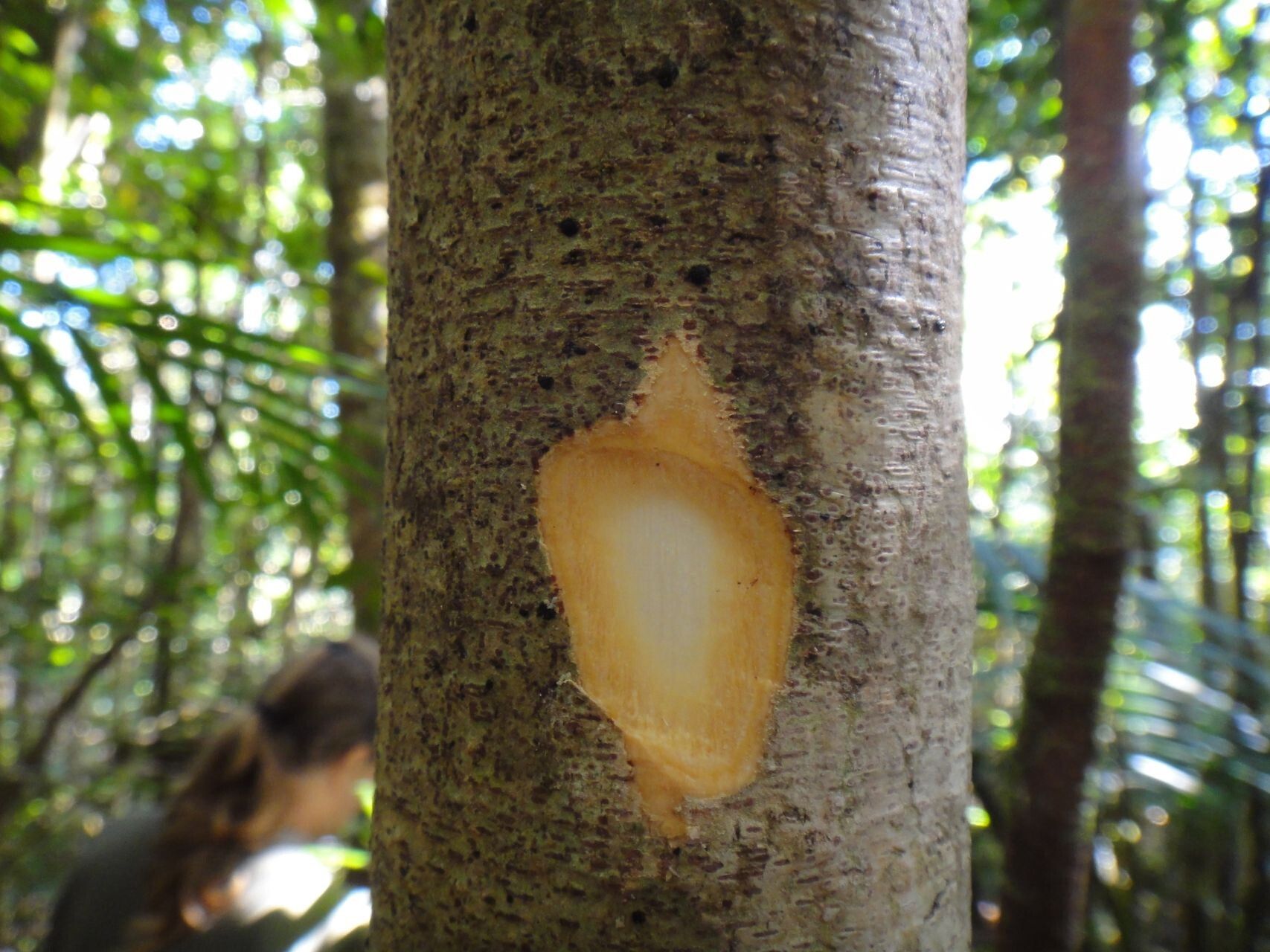
Hello, fellow plant lovers! Today, I want to talk about a truly special tree that’s graced my garden for years: Harpullia austrocaledonica. She’s a stunner, with glossy leaves and beautiful, often colourful seed capsules that bring a real spark to the landscape, especially in cooler months. And guess what? She’s not nearly as difficult to propagate as you might think! While she might be a touch more involved than a simple spider plant cutting, I’ve found that with a little patience and the right approach, even beginners can have success. The reward of nurturing a new plant from a tiny piece of the original? Absolutely priceless.
The Best Time to Start
For Harpullia austrocaledonica, you’ll find the most success with stem cuttings during the active growing season. Think late spring through summer. This is when the plant is putting on new growth, meaning it’s full of energy and more likely to root. You want to take cuttings from healthy, semi-hardwood stems – that’s wood that’s firm but still has a bit of flexibility, not brand new, floppy green shoots or old, woody material.
Supplies You’ll Need
Gathering your bits and bobs beforehand makes the whole process smooth sailing. Here’s what I always have on hand:
- Sharp Pruning Shears or a Craft Knife: For clean cuts.
- Rooting Hormone: A powder or gel to give your cuttings a helping hand. Look for one suitable for semi-hardwood cuttings.
- Potting Mix: A well-draining mix is crucial. I like to use equal parts perlite and peat moss, or a good quality seed-starting mix.
- Small Pots or Trays: With drainage holes, of course! Seedling pots or small garden pots work well.
- Plastic Bag or Propagator: To create a humid environment for your cuttings.
- Watering Can or Spray Bottle: For gentle watering.
Propagation Methods: Stem Cuttings
This is generally the most effective way to propagate Harpullia austrocaledonica.
- Select Your Cuttings: As I mentioned, look for those healthy, semi-hardwood stems. Aim for cuttings about 10-15 cm long.
- Make the Cut: Using your clean shears or knife, make a clean cut just below a leaf node (the bump where a leaf grows from the stem). This is where roots are most likely to form.
- Prepare the Cutting: Remove the lower leaves, leaving only the top 2-3 leaves. If the remaining leaves are very large, I often cut them in half horizontally to reduce water loss through transpiration.
- Apply Rooting Hormone: Dip the cut end of the stem into the rooting hormone, ensuring it’s well-coated. Tap off any excess.
- Plant Your Cuttings: Make a hole in your prepared potting mix with a pencil or your finger. Gently insert the cutting, ensuring the nodes where you removed the leaves are below the soil surface. Firm the soil around the stem.
- Water and Cover: Water the soil gently until it’s moist but not waterlogged. Then, cover the pot with a plastic bag or place it in a propagator. This creates a mini-greenhouse effect, which is vital for successful rooting.
The “Secret Sauce” (Pro Tips)
Here are a few tricks I’ve picked up over the years that often make all the difference:
- Bottom Heat is Your Friend: If you can, place your pots on a heated propagation mat. This gentle warmth encourages root development from below, giving your cuttings a fantastic head start. I’ve found this significantly speeds up the process and improves rooting success, especially in cooler weather.
- Cleanliness is Key: Always, always sterilize your tools before you begin. A quick wipe-down with rubbing alcohol can prevent introducing any nasty pathogens that could harm your cuttings or the mother plant.
- Don’t Overcrowd: Give your cuttings enough space. Trying to cram too many into one pot can increase the risk of disease spreading if one fails, and it also reduces air circulation, which they need.
Aftercare & Troubleshooting
Once your cuttings are planted, the real waiting game begins. Keep them in a bright spot out of direct sunlight. The soil should remain consistently moist but never soggy. You’ll want to open the plastic bag or propagator for a few minutes each day to let in fresh air and prevent fungal issues.
You’ll know your cuttings have rooted when you gently tug on them and feel resistance, or perhaps even see new leaf growth. This can take anywhere from 4 weeks to a few months. Be patient!
Signs of trouble usually involve wilting that doesn’t recover after watering, or a slimy, black stem. This is most likely rot, often caused by too much moisture and poor air circulation. If you see this, unfortunately, that cutting is likely lost. Don’t beat yourself up; just try again with adjustments to your watering and ventilation.
So there you have it! Propagating Harpullia austrocaledonica is a wonderfully rewarding experience. It’s a journey that connects you more deeply with your plants. Don’t be discouraged if your first few attempts aren’t perfect. Gardening is always a learning curve, and every seed, every cutting, is an opportunity to grow. Happy propagating!
Resource:
https://identify.plantnet.org/k-world-flora/species/Harpullia%20austrocaledonica%20Baill./data