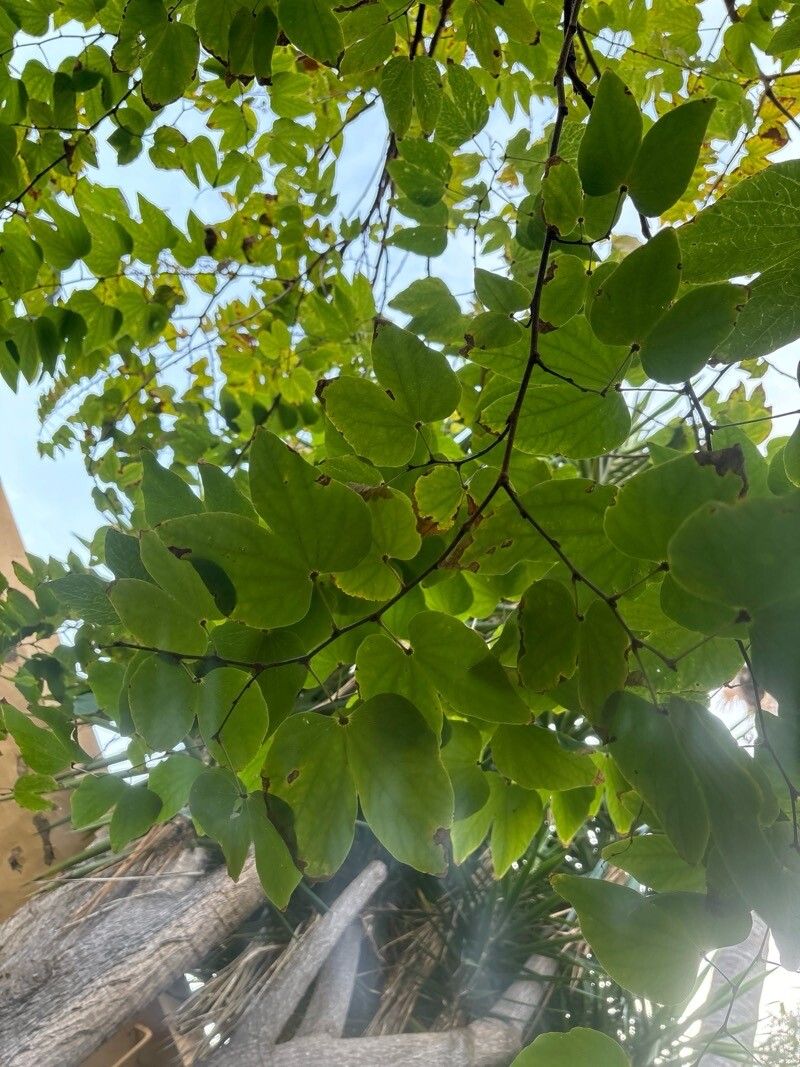
Hello fellow plant enthusiasts! I’m so glad you’re here to dive into the wonderful world of propagating Bauhinia decandra, also known as the Butterfly Tree. If you’ve ever admired its stunning, orchid-like blooms and unique, bifurcated leaves, you know how special this plant is. And let me tell you, nurturing a new baby Bauhinia from a cutting is incredibly rewarding.
Now, I won’t sugarcoat it – Bauhinia can be a bit particular. It’s not the easiest plant for absolute beginners, but with a little patience and the right approach, you’ll be well on your way to success. Think of it as a plant that appreciates a bit of thoughtful attention.
The Best Time to Start
For Bauhinia decandra, the sweet spot for propagation is generally during its active growing season, which usually falls in late spring or early summer. This is when the plant has plenty of energy to put into developing new roots. You’ll want to select stems that are relatively firm but not too woody. Think of a stem that bends a little when you try to snap it, rather than snaps cleanly or feels completely stiff.
Supplies You’ll Need
Here’s a handy list of what you’ll want to have on hand:
- Sharp Pruning Shears or a Knife: Cleanliness is key to prevent disease.
- Rooting Hormone: A powder or gel designed for stem cuttings. This gives those little roots a helpful boost.
- Well-Draining Potting Mix: I recommend a blend of coarse sand, perlite, and peat moss, or a good quality cactus/succulent mix. Avoid heavy, water-retentive soils.
- Small Pots or Propagation Trays: Clean pots are essential!
- Plastic Bags or a Clear Dome: To create a humid environment.
- Water: For watering and potentially for water propagation.
- Gloves (optional): Some people find them helpful.
Propagation Methods
I’ve found that stem cuttings are the most reliable way to propagate Bauhinia decandra. Here’s how I do it:
- Take Your Cuttings: Using your clean shears or knife, select a healthy stem that’s about 4-6 inches long. Make a clean cut right below a leaf node (where a leaf attaches to the stem). Remove the lower leaves, leaving just a couple at the very top.
- Apply Rooting Hormone: Dip the cut end of the stem into your rooting hormone, making sure it’s well-coated. Tap off any excess.
- Plant the Cutting: Fill your clean pot with your well-draining potting mix. Make a small hole with your finger or a pencil, and gently insert the treated cutting. Firm the soil gently around the stem to ensure good contact.
- Water Gently: Water the soil thoroughly but gently. You want the soil to be moist, not waterlogged.
- Create Humidity: Cover the pot with a plastic bag, securing it with a rubber band, or use a clear propagation dome. This will keep the humidity high, which is crucial for cuttings that don’t have roots yet. Make sure the leaves don’t touch the inside of the bag or dome if possible.
- Provide Bright, Indirect Light: Place your pots in a bright location but out of direct sunlight, which can scorch the tender cuttings.
- Wait and Watch: Now comes the waiting game! Check the moisture levels every few days, watering lightly if the soil feels dry. You may see new leaf growth within several weeks, which is a good sign, but you won’t know for sure if it’s rooted until you give it a gentle tug or see significant growth.
The “Secret Sauce” (Pro Tips)
Here are a couple of tricks I’ve learned over the years that really make a difference:
- Bottom Heat is Your Friend: If you have the option, placing your pots on a heating mat designed for plants can significantly speed up root development. This mimics the warmth of the ground encouraging roots to form.
- Don’t Overwater, But Don’t Let Them Dry Out: This is a delicate balance! The key is consistently moist soil, not soggy. If the soil feels dry to the touch an inch down, it’s time to water. Too much water is a surefire way to invite root rot.
Aftercare & Troubleshooting
Once you see signs of healthy growth – perhaps tiny new leaves unfurling or a gentle resistance when you tug on the cutting – it’s time to start acclimatizing your new baby Bauhinia.
Gradually remove the plastic cover over a week or so, increasing its exposure to open air. Continue to water as needed and keep it in bright, indirect light. You can transplant it into a slightly larger pot once it has a decent root system.
The most common issue you’ll encounter is rot. If your cutting looks mushy, dark, or smells off, it’s likely succumbed to rot. This is often due to overwatering or poor drainage. Don’t be discouraged if a few don’t make it; it’s all part of the learning process! A yellowing leaf that then falls off might just be the plant shedding what it doesn’t need, but if multiple leaves are yellowing and dropping rapidly, something more serious is likely going on, usually related to moisture levels or light.
A Little Patience Goes a Long Way
Propagating Bauhinia decandra is a journey, not a race. Be patient with your cuttings, pay attention to their needs, and celebrate every little sign of progress. There’s a unique satisfaction in watching something you started from a simple cutting grow into a beautiful plant. Happy propagating!
Resource: