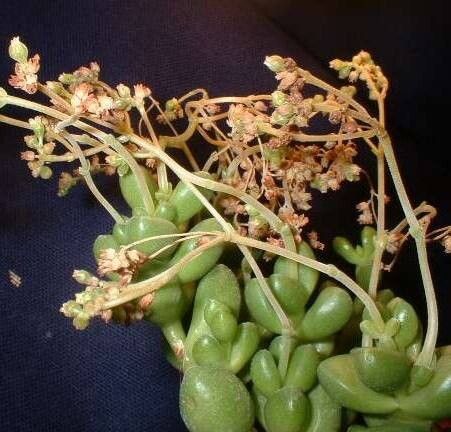
Well, hello there! Grab a cup of your favorite brew, and let’s chat about one of my absolute favorite succulents: Crassula elegans. You know, the one with those delicate, frosted leaves that look like they’ve been dusted with a fine, silvery powder. It’s such a charming little thing, adding a touch of understated elegance to any collection.
And the best part? Propagating it is incredibly rewarding. Seeing a tiny snippet of a plant transform into a new, flourishing specimen is just pure gardening joy. For beginners, I’d say Crassula elegans is wonderfully accessible. It’s quite forgiving, which is always a big plus when you’re just starting out.
The Best Time to Start
For the highest success rate, I always reach for my pruning shears in the spring or early summer. This is when the plant is actively growing and has the most energy to put into developing new roots. You can also sneak in some propagation in early autumn if your climate is mild and you have a warm spot for it. Just avoid the heat of summer or the cold of winter.
Supplies You’ll Need
- A well-draining potting mix. I like to use a cactus and succulent blend, or mix my own with equal parts potting soil, perlite, and coarse sand.
- Clean pruning shears or a sharp knife. Sterilizing them with rubbing alcohol is a good habit to get into.
- A shallow tray or small pots for your cuttings. Terracotta pots are great because they breathe.
- Optional: Rooting hormone. It’s not strictly necessary for Crassula elegans, but it can give your cuttings a little boost.
- A spray bottle for misting.
Propagation Methods
There are a couple of easy ways to multiply your Crassula elegans collection.
1. Stem Cuttings (My Go-To!)
This is my favorite because it’s quick and usually works like a charm.
- First, find a healthy stem on your parent plant. Look for one that’s not too leggy.
- Using your clean shears or knife, make a clean cut about 2-4 inches down from the tip of the stem.
- Gently remove the lower leaves from the cutting, leaving a few at the top. This is important!
- Now, this is a crucial step: let the cutting callus over. Place it in a dry spot, out of direct sun, for a few days to a week. You’ll see the cut end dry up and form a protective layer. This prevents rot.
- Once callused, you can either:
- Plant it directly into your prepared potting mix. Just insert the callused end into the soil, making sure it’s a bit firm.
- Or, use rooting hormone at this stage if you choose. Dip the callused end in the powder, tap off any excess, and then plant.
- Water lightly just to settle the soil. Don’t drench it.
- Place the pot in a bright spot with indirect sunlight.
2. Leaf Propagation (A Little More Patience Needed)
You can also try propagating from individual leaves, though it takes longer and isn’t quite as foolproof for Crassula elegans as stem cuttings.
- Carefully twist or cut off a healthy leaf from the stem. Make sure you get the very base where it attaches to the stem.
- Like stem cuttings, let the leaf callus over for a few days.
- Once callused, lay the leaf on top of your potting mix. Don’t bury it!
- Mist the soil lightly every few days, or whenever it looks dry.
- Keep it in bright, indirect light. You should eventually see tiny baby plants emerge from the callused end.
The “Secret Sauce” (Pro Tips)
Here are a few things I’ve learned over the years that really help:
- When you’re planting your stem cuttings, don’t push them too deep into the soil. Just enough so they stand up on their own is perfect. The plant needs to get air to that cut end.
- If you’re going the water propagation route (for stem cuttings only, I wouldn’t recommend it for leaves), make sure the leaves NEVER touch the water. Just the callused stem end. Immerse it up to the first leaf node, and change the water every few days.
- Bottom heat can be a game-changer, especially if your propagation area tends to be a bit cool. A seedling heat mat set to a low temperature (around 70-75°F) can accelerate root development significantly.
Aftercare & Troubleshooting
Once your cuttings have started to form roots (you can gently tug on them to see if there’s resistance, or sometimes you’ll see new growth), you can treat them like a mature plant. Start watering a bit more thoroughly, but always allowing the soil to dry out between waterings. Continue to keep them in bright, indirect light.
The most common problem you’ll encounter is rot. This usually happens from overwatering or from not letting the cuttings callus properly. If you see a cutting looking mushy, turning black, or smelling unpleasant, unfortunately, it’s best to discard it and try again. Don’t be discouraged! It happens to all of us.
A Encouraging Closing
Propagating Crassula elegans is such a lovely way to fill your home with these beautiful plants and to share them with friends and family. Be patient, enjoy the process, and celebrate every tiny new leaf or root you see. Happy planting!
Resource: