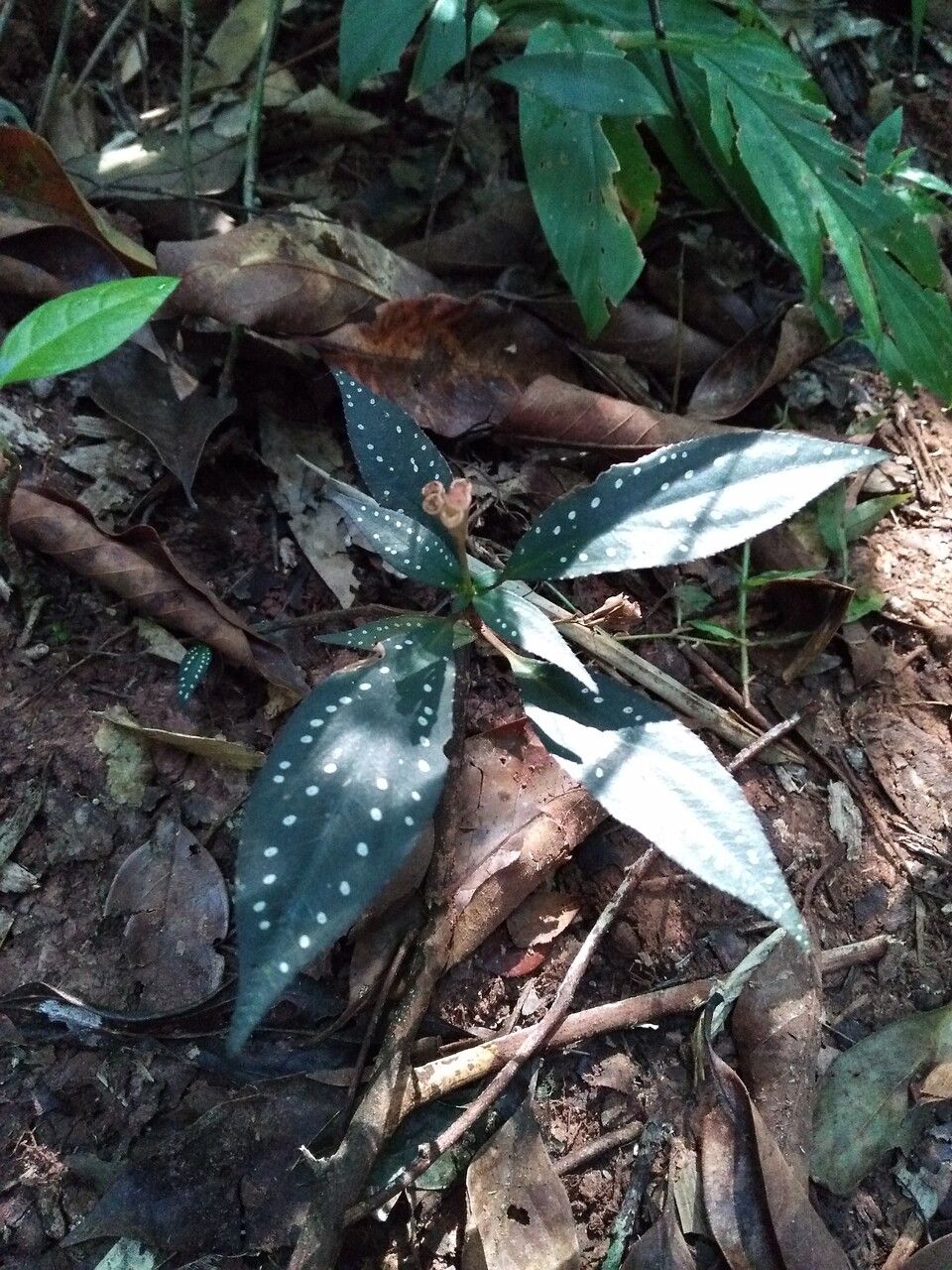
Oh, hello there! Come on in, grab a mug. Let’s chat about a real gem of a plant: Blastus cochinchinensis. If you haven’t met this beauty before, picture lush, tropical foliage with an almost architectural elegance. It’s not overly fussy, but it certainly adds a touch of the exotic to any corner. And the best part? Bringing new ones to life yourself. It’s incredibly rewarding, and I assure you, it’s more achievable than you might think, even for those of you just starting your green journey.
The Best Time to Start
When it comes to getting new Blastus babies going, spring is your best friend. As the days get longer and the plant really kicks into its active growth phase, it has the energy needed to push out new roots. You’re looking for healthy, vigorous stems that aren’t too old and woody, but also not brand new, tender shoots. Think of it as Goldilocks – just right!
Supplies You’ll Need
Gathering your tools beforehand makes the whole process so much smoother. Here’s what I usually have on hand:
- Sharp pruning shears or a clean knife: For making clean cuts.
- Well-draining potting mix: I like a blend of peat moss, perlite, and some coco coir. Something that holds moisture but doesn’t get waterlogged.
- Small pots or propagation trays: Clean ones are essential!
- Rooting hormone (optional but recommended): A little boost can make a big difference for some plants.
- Plastic bag or clear dome: To create a humid environment around your cuttings.
- Water: For watering and, potentially, for water propagation.
- Rubbing alcohol: To sterilize your tools.
Propagation Methods
Blastus cochinchinensis is quite happy to be propagated from stem cuttings and, surprisingly, can even do well with water propagation if you’re careful.
Stem Cuttings:
- Select a healthy stem: Look for a piece about 4-6 inches long with at least two sets of leaves.
- Make a clean cut: Just below a leaf node (where a leaf attaches to the stem). This is where roots are most likely to form.
- Remove lower leaves: Strip off the leaves from the bottom half of the cutting. This prevents them from rotting in the soil or water and exposes the nodes.
- Dip in rooting hormone (optional): If you’re using it, dip the cut end into the powder, tapping off any excess.
- Insert into potting mix: Make a small hole in your prepared potting mix with a pencil or your finger. Gently push the cutting in, ensuring the nodes are covered by soil. Give it a gentle pat to secure it.
- Water gently: Moisten the soil thoroughly but avoid overwatering.
- Create humidity: Cover the pot with a clear plastic bag or a propagation dome. You can use skewers to keep the bag from touching the leaves.
Water Propagation:
- Follow steps 1-3 above for preparing the cutting.
- Place in water: Put the cutting in a clean glass or jar filled with water. Make sure no leaves are submerged. Only the stem should be in the water.
- Change water regularly: Every few days, refresh the water to keep it clean and oxygenated.
- Watch for roots: You should start to see root nubs forming at the nodes within a few weeks. Once the roots are about an inch long, you can transplant them to soil.
The “Secret Sauce” (Pro Tips)
Anyone can follow instructions, but a few little tricks make propagation so much more successful.
- Don’t crowd your cuttings: Give them a little breathing room in their pots or trays. Good air circulation helps prevent fungal issues, which is a common culprit for failure.
- Bottom heat is your friend: If you can, place your pots on a gentle heat mat. This subtle warmth encourages root development from below, giving your cuttings a much-needed boost. It’s like a cozy blanket for new roots!
- A light misting is good, but avoid soggy leaves: While Blastus loves humidity, having water sit on the leaves for extended periods can encourage rot. A light misting every now and then is fine, but make sure it has a chance to dry.
Aftercare & Troubleshooting
Once you see those tiny roots peeking out from the drainage holes, or you’re confident a good root system has formed in water, it’s time for them to become independent little plants!
- Gradual acclimation: If your cuttings were under a dome or bag, remove it for a few hours a day, gradually increasing the time until they’re used to the ambient humidity.
- Watering: Continue to keep the soil consistently moist, but not soggy. Let the top inch of soil dry out between waterings.
- Light: Place them in bright, indirect light. Avoid direct sun, which can scorch tender new growth.
The most common problem you’ll encounter is rot. If your cutting looks mushy, smells unpleasant, or the leaves are yellowing and dropping rapidly, it’s likely rot. This is usually caused by too much moisture and not enough air circulation. If you catch it early, you might be able to save a bit of the stem by cutting away the rotten parts and trying again with fresh, drier soil or cleaner water.
A Little Patience Goes a Long Way
Propagating plants is a bit like tending to a garden – it requires patience, observation, and a willingness to learn. Don’t be discouraged if your first attempt isn’t perfect. Every cutting is a learning experience. Enjoy the process of nurturing these new little lives, and soon you’ll have even more of these gorgeous Blastus to brighten your home. Happy growing!
Resource:
https://identify.plantnet.org/k-world-flora/species/Blastus%20cochinchinensis%20Lour./data