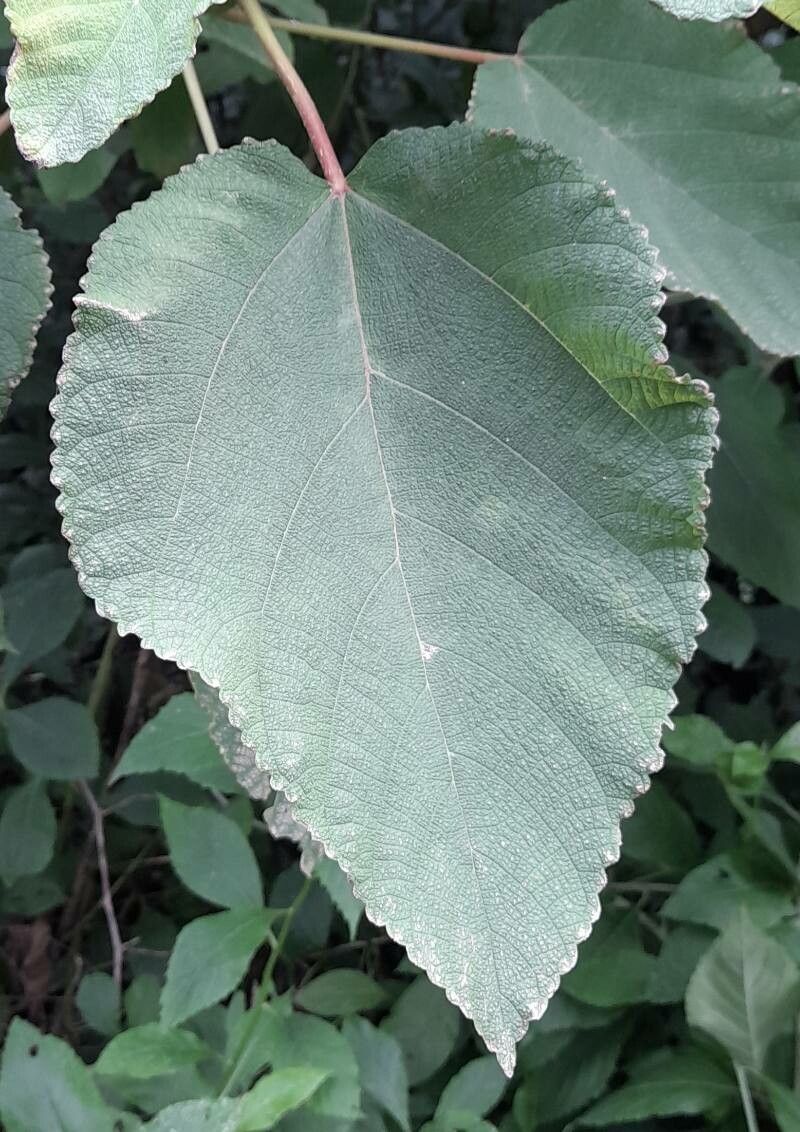
Oh hello there! Pull up a chair, let’s chat about gardening. Today, I want to introduce you to a plant that I’ve found brings such a lively, tropical feel to any space: Urera caracasana. You might know it by its common name, the “Devil’s Olive” or a similar moniker. It’s a fast-growing stunner with those striking, architectural leaves and an almost vine-like scramble that can fill a corner with verdant joy. And the best part? It’s remarkably rewarding to propagate! You’ll be sharing little bits of its magic with friends in no time.
Now, for the big question: is it easy for beginners? I’d say Urera caracasana leans towards the moderately easy side. It’s not a fussy prima donna, but it does appreciate a little know-how. With a few simple steps, you’ll be well on your way to success.
The Best Time to Start
For the highest success rate, I find that late spring through summer is your sweet spot. This is when the plant is in its most vigorous growth phase. We’re aiming for healthy, semi-hardwood cuttings – think stems that are firm but still have a bit of flexibility, not the brand-new, floppy growth or old, woody bits. They just have more energy to push out roots during these warmer, brighter months.
Supplies You’ll Need
Here’s what I always have on hand when I’m propagating Urera:
- Sharp Pruning Shears or a Clean Knife: For making clean cuts.
- Rooting Hormone (Optional, but Recommended): A good quality powder or gel can significantly boost your success rate.
- Well-Draining Potting Mix: I love a blend of equal parts perlite, coco coir, and a good quality potting soil. You want it to dry out a little between waterings.
- Small Pots or Seedling Trays: With drainage holes, of course!
- Plastic Bags or a Propagator: To create a humid environment.
- Water: For misting and that initial dip if you’re using rooting hormone.
- A Spray Bottle: For gentle misting.
Propagation Methods
Let’s get our hands dirty! Urera caracasana is wonderfully amenable to a couple of simple methods.
Stem Cuttings
This is my go-to method for Urera.
- Take a Cutting: Using your clean shears, select a healthy stem and make a cut just below a leaf node (that little bump where a leaf attaches to the stem). Aim for a cutting that’s about 4-6 inches long. Remove the lower leaves, leaving just a couple at the very top.
- Prepare the Cutting: If you’re using rooting hormone, dip the cut end into the powder or gel, tapping off any excess.
- Plant the Cutting: Make a little hole in your prepared potting mix with your finger or a pencil. Gently insert the cutting into the hole, ensuring at least one leaf node is below the soil surface. Firm the soil gently around the base.
- Create Humidity: Water the soil lightly until it’s moist but not soggy. Then, cover the pot with a clear plastic bag (making sure the leaves don’t touch the sides) or place it in a propagator. This humidity is crucial for preventing the cutting from drying out.
- Find a Good Spot: Place the pot in a warm location with bright, indirect light. No direct sun, please!
Water Propagation
This is a fun, visual way to start!
- Select and Cut: Just like with stem cuttings, choose a healthy stem and cut it about 4-6 inches long, just below a leaf node. Remove the lower leaves.
- Place in Water: Fill a clean jar or glass with fresh water. Place the cutting in the water, making sure that no leaves are submerged. Any leaves in the water will rot and can hinder root development.
- Change the Water: Refresh the water every few days to keep it clean and oxygenated.
- Monitor and Wait: Place the jar in a spot with bright, indirect light. You’ll start to see tiny root nubs forming at the nodes.
The “Secret Sauce” (Pro Tips)
Here are a few little tricks I’ve picked up over the years that really make a difference:
- Bottom Heat is Your Friend: If you have a heat mat, placing your pots or trays on it can dramatically speed up root formation. Urera loves a bit of warmth from below.
- Don’t Be Too Quick to Uncover: That humidity is gold! Resist the urge to remove the plastic bag or propagator lid too soon. Wait until you see clear signs of new growth – tiny leaves unfurling or the cutting resisting a gentle tug – before you start to slowly acclimate it to lower humidity.
- The Scrape Test: If you’re unsure if your cutting is showing signs of life (or death!), gently scrape a tiny bit of the outer bark on the stem with your fingernail. If it’s still green underneath, it’s alive and working on those roots!
Aftercare & Troubleshooting
Once you see those roots developing – either poking out of the drainage holes of your pot or looking substantial in the water – it’s time for a little extra care.
- Transplanting: If you propagated in water, wait until the roots are about an inch long. Gently transplant them into your well-draining potting mix. Water them in well, then proceed as you would with a freshly potted cutting.
- Acclimation: For cuttings in soil, slowly start to reduce the humidity over a week or so. Open the bag a little each day, or vent your propagator more frequently.
- Watering: Keep the soil consistently moist but never waterlogged. Overwatering is the most common culprit for failure.
- Signs of Trouble: The biggest enemy here is rot. If your cutting turns black and mushy, or if there’s a foul smell, it’s likely rotted. This usually points to too much moisture and not enough air circulation. Don’t be discouraged if a few don’t make it – that’s just part of the learning curve!
A Encouraging Closing
Propagating Urera caracasana is such a satisfying journey. It’s a chance to witness nature’s magic firsthand and multiply the beauty in your home. Remember to be patient, observe your cuttings closely, and trust the process. Enjoy the thrill of seeing those first tiny roots emerge – it’s a moment that never gets old! Happy propagating!
Resource: