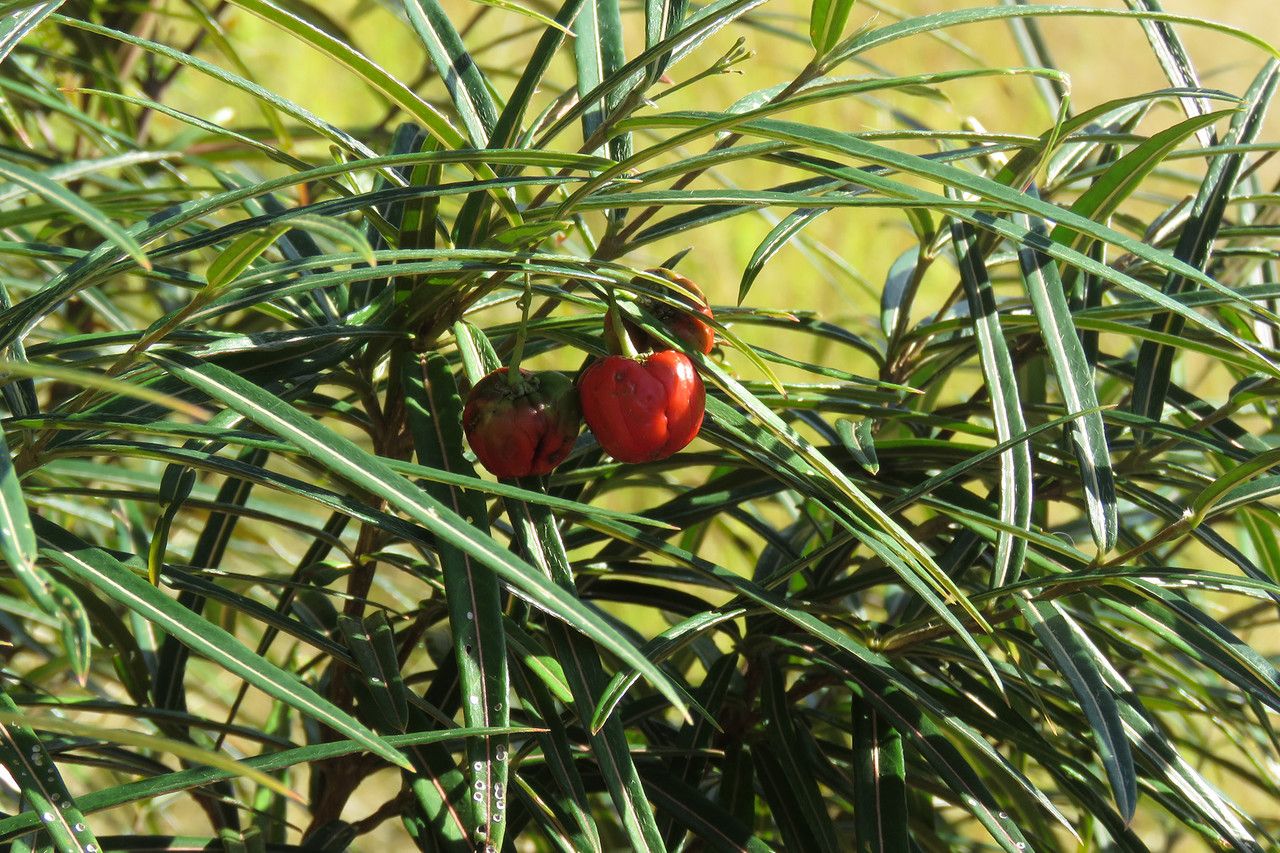
Oh, hello there! Come on in, grab a mug of something warm. I’m so excited to chat with you today about Malpighia linearis. You know, the lovely little plant with its bright, cheerful flowers and bonus – those edible fruits! It’s such a joy to have in the garden or even on a sunny windowsill. And guess what? Propagating it is a wonderful way to share its beauty and expand your own collection without a big expense. It’s not the absolute easiest plant to root for a complete beginner, but with a little care and my guidance, I’m confident you’ll have success. Let’s get our hands dirty!
The Best Time to Start
For Malpighia linearis, spring and early summer are your best friends. This is when the plant is actively growing, full of vigor, and has plenty of energy to dedicate to forming new roots. Waiting until after the main flush of flowering is often a good bet, as the plant will be putting its energy into vegetative growth rather than just blooms.
Supplies You’ll Need
Here’s what you’ll want to have on hand before we begin:
- Sharp pruning shears or a clean knife: For taking cuttings. Sterilize them with rubbing alcohol to prevent disease.
- Potting mix: A well-draining mix is crucial. I like a blend of 50% perlite or coarse sand and 50% good quality potting soil. You can also buy specific cactus/succulent mix.
- Small pots or seed trays: Clean, with drainage holes, of course!
- Rooting hormone (optional but recommended): A powder or gel can significantly speed up the rooting process.
- Watering can or spray bottle: For gentle watering.
- Plastic bag or propagation dome: To maintain humidity around the cuttings.
Propagation Methods
We’ll focus on stem cuttings, as this is generally the most reliable method for Malpighia linearis.
Stem Cuttings:
- Select healthy stems: Look for new growth that is firm but not yet woody. These are called “semi-hardwood” cuttings. Aim for pieces about 4-6 inches long.
- Make the cut: Using your sterilized shears or knife, make a clean cut just below a leaf node. This is the point where a leaf attaches to the stem, and it’s where roots are most likely to form.
- Prepare the cutting: Gently remove the lower leaves, leaving just a few at the very top. This helps prevent rot and reduces water loss. If your leaves are quite large, you can even cut them in half.
- Apply rooting hormone (if using): Dip the cut end into the rooting hormone, tapping off any excess.
- Plant the cutting: Make a hole in your prepared potting mix with a pencil or your finger. Insert the cut end of the stem into the hole, ensuring the leaf nodes are buried. Gently firm the soil around it.
- Water gently: Water the soil thoroughly but not to the point of sogginess.
- Create a humid environment: Cover the pot with a plastic bag or place it under a propagation dome. Ensure the leaves don’t touch the plastic if possible. This keeps the humidity high, which is vital for cuttings.
The “Secret Sauce” (Pro Tips)
Here are a couple of tricks I’ve learned over the years that really make a difference:
- Bottom Heat is Your Friend: For really stubborn cuttings, placing your pots on a gentle heating mat set to around 70-75°F (21-24°C) can work wonders. It encourages root development from below.
- Don’t Overwater! This is probably the most common mistake. Cuttings sitting in soggy soil are prone to rot. Aim for consistently moist, but not wet, soil. I often check the pot by feeling the weight or sticking my finger about an inch down.
Aftercare & Troubleshooting
Once your cuttings are planted, place them in a bright spot but out of direct sunlight. Too much sun can scorch those tender new stems.
Keep an eye on the humidity. If the leaves look droopy, your humidity might be too low, or the cutting has dried out. If you see yellowing leaves or black stems, that’s often a sign of rot, usually due to overwatering or poor drainage. Don’t be discouraged if a few don’t make it; it’s part of the learning process.
You’ll know your Malpighia linearis has rooted when you see new leaf growth or gentle resistance when you try to tug on the cutting. This can take anywhere from 4 to 8 weeks, sometimes longer. Once you see good root development, you can gradually remove the plastic cover over a few days to acclimate it to normal humidity. Then, it’s ready to be potted on into its own small pot!
So there you have it! Propagating Malpighia linearis is a journey, and like all good gardening endeavors, it requires a touch of patience and a whole lot of hope. Don’t be afraid to try it. Even if your first attempts aren’t perfect, you’ll learn something new. Enjoy the process, and soon you’ll have even more of these lovely plants to admire! Happy growing!
Resource:
https://identify.plantnet.org/k-world-flora/species/Malpighia%20linearis%20Jacq./data