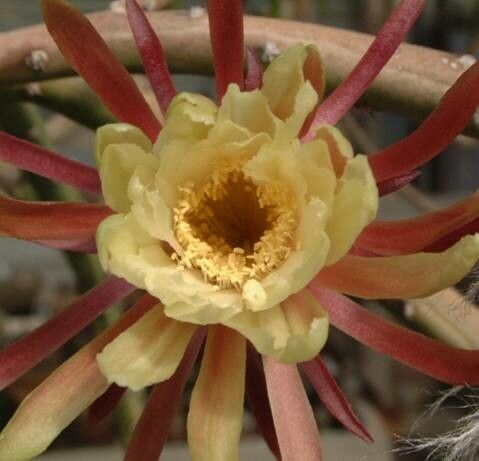
Oh, hello there! So glad you stopped by. Today, we’re diving into the wonderful world of propagating Acanthocereus fosterianus. If you’ve ever seen this magnificent cactus, with its architectural elegance and fascinating sculptural form, you know why it’s such a desirable addition to any collection. And the best part? You can grow your own!
Propagating Acanthocereus fosterianus is a truly gratifying experience. It’s a bit like creating little plant babies, watching them take hold and grow into their own magnificent selves. For newcomers to the cactus world, I’d say it’s moderately easy. It’s not a “stick it in dirt and forget about it” kind of plant, but with a little attention, you’ll be celebrating success in no time.
The Best Time to Start
Honestly, the prime time to propagate is during its active growing season. Think late spring through summer. This is when the plant has the most energy to put into developing roots. You’ll find it’s more receptive to taking cuttings and less prone to succumbing to rot.
Supplies You’ll Need
Before we get our hands dirty, let’s gather our toolkit:
- Sharp, clean pruning shears or a very sharp knife: Sterilize them with rubbing alcohol before you begin.
- Well-draining soil mix: A cactus/succulent mix is perfect. I often add a bit of extra perlite or pumice for even better drainage.
- Pots or trays: Small terracotta pots or seed starting trays work well. Make sure they have drainage holes!
- Rooting hormone (optional but recommended): This can give your cuttings a significant boost.
- Watering can or spray bottle: For gentle watering.
- Labels or markers: To keep track of your new plants and the date you propagated them.
- Gloves: Cactus spines can be a bit prickly!
Propagation Methods
The most common and successful way to propagate Acanthocereus fosterianus is through stem cuttings.
- Take Your Cuttings: Select a healthy, mature stem. Using your sterilized pruning shears or knife, make a clean cut. Aim for sections that are at least 4-6 inches long, ideally with a few nodes (the little bumps where spines grow).
- Allow to Callus: This is a crucial step! Don’t rush into planting. Place the cuttings in a warm, dry, and well-ventilated spot away from direct sunlight. The cut end needs to dry out and form a callus, which is like a protective scab. This usually takes anywhere from a few days to a week, depending on your climate. You’ll know it’s ready when the cut end looks and feels dry, not gooey.
- Planting the Cuttings: Once callused, you can plant. Fill your pots with your well-draining soil mix. If you’re using rooting hormone, lightly dip the callused end into the powder, tapping off any excess.
- Insert the Cutting: Make a small hole in the soil with your finger or a pencil, and gently insert the callused end of the cutting about 1-2 inches deep. Don’t bury it too deep; you want plenty of surface area exposed. Firm the soil gently around the cutting to keep it upright.
- Initial Watering: Wait a day or two after planting before giving them their first drink. Water lightly, just enough to moisten the soil.
Water Propagation (Less Common for this Cactus, but Possible): While not my go-to for Acanthocereus, you can try water propagation. However, there’s a higher risk of rot. If you do, place the callused cutting in a glass of water so that only the very bottom of the cutting is submerged. Change the water every few days. Once you see roots developing, carefully transfer it to soil.
The “Secret Sauce” (Pro Tips)
Here are a couple of little tricks I’ve learned over the years that can really make a difference:
- Think “Warm Feet, Cool Top”: These desert dwellers love a bit of warmth at their roots to encourage rooting. Placing your pots on a heat mat set to a low temperature (around 70°F / 21°C) can be a game-changer, especially if your home tends to be cooler. Keep the top of the plant relatively cool and airy.
- The “Don’t Drown It” Rule: This is probably the biggest mistake beginners make. Cacti are designed to store water. Overwatering is their nemesis, especially when they’re trying to establish roots. Let the soil dry out significantly between waterings. Seriously, it’s better to underwater a bit than overwater.
Aftercare & Troubleshooting
Once your cuttings have been planted, have a bit of patience. You might not see immediate growth. You’re looking for signs of rooting, which often means the cutting will plump up slightly or even start to produce new growth.
- Watering: Water sparingly. When you do water, water thoroughly until it drains out the bottom, then allow the soil to dry out completely before watering again. You might find you only need to water every 2-3 weeks, or even less.
- Light: Once you see signs of rooting or new growth, you can gradually introduce them to brighter light. Bright, indirect light is best initially, slowly acclimatizing them to more direct sun if that’s where you plan to keep them.
The most common culprit for failure is rot. If you notice your cutting becoming mushy, discolored (especially dark and slimy), or falling over, it’s likely succumbing to rot. This is almost always due to too much moisture and not enough airflow. Unfortunately, if rot sets in, it’s hard to save. That’s why the callusing step is so vital!
A Encouraging Closing
Propagating plants is a journey, and Acanthocereus fosterianus is a rewarding companion on that path. Don’t be discouraged if your first attempt isn’t a runaway success. Learn from it, adjust your approach, and try again. The most important thing is to enjoy the process of nurturing these resilient beauties. Happy propagating!
Resource: