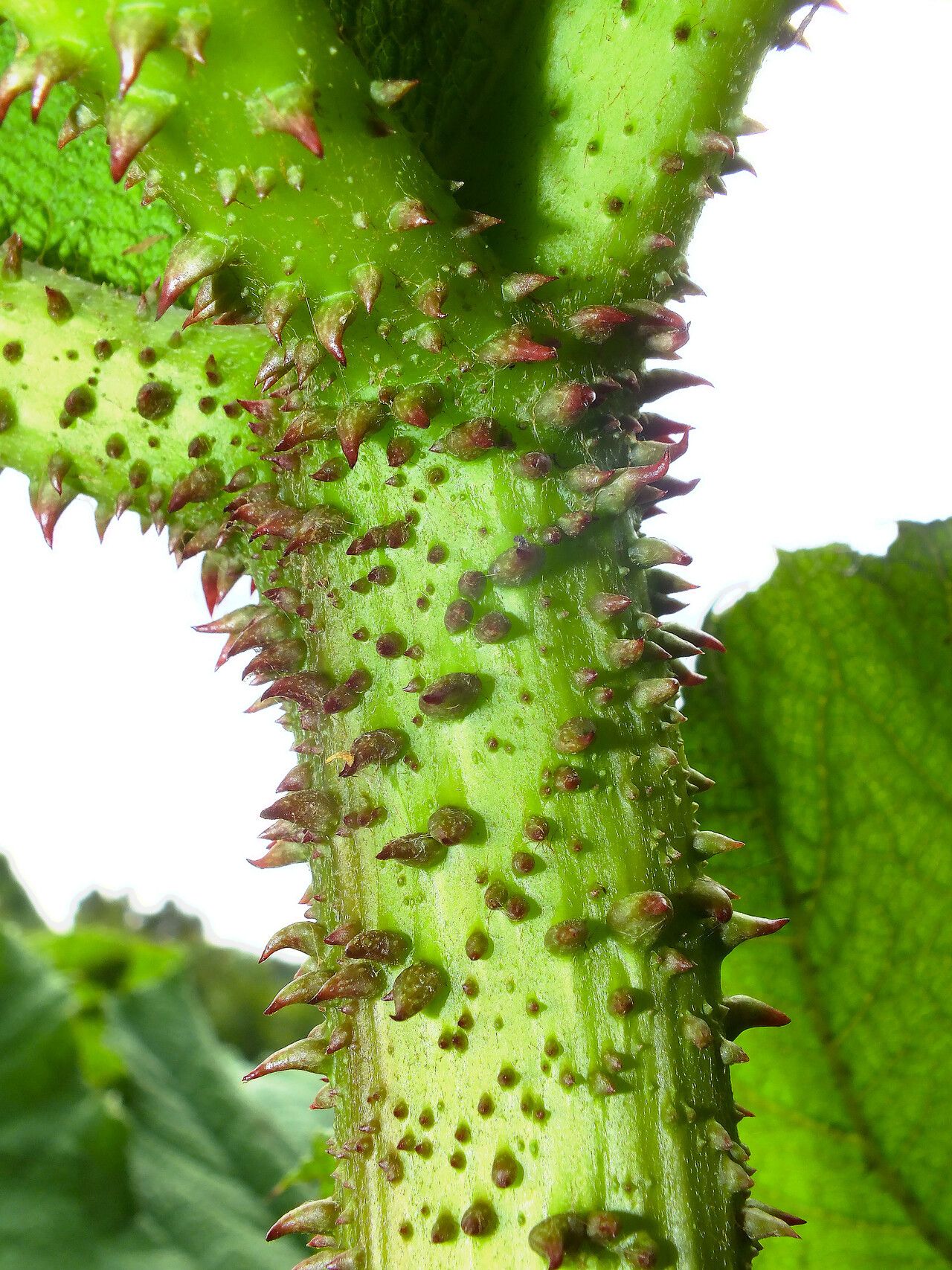
Oh, hello there! Pull up a chair and let’s chat about one of my absolute favorite giants: Gunnera tinctoria. If you’ve ever seen a garden graced by its enormous, prehistoric-looking leaves, you know the kind of dramatic statement it makes. It’s like a bit of the tropics landed right in your backyard! And the best part? You can easily grow more of these magnificent specimens yourself. Propagating Gunnera might sound a tad intimidating, but trust me, with a little guidance, it’s a rewarding journey that even a newer gardener can absolutely master.
The Best Time to Start
When’s the sweet spot for getting your Gunnera propagation off to a flying start? Without a doubt, it’s early spring. Think March or April, just as the plant is waking up from its winter slumber and the days are getting noticeably longer and warmer. You’ll want to catch it at this stage because the plant has all that stored energy ready to go for new growth. Attempting it later in the season, when things are really hot and dry, can be a bit more of a struggle.
Supplies You’ll Need
Gathering your tools beforehand makes the whole process so much smoother. Here’s what I usually have on hand:
- Sharp pruning shears or a clean knife: For making clean cuts.
- Rooting hormone (optional, but helpful): A powdered or liquid hormone can give your cuttings an extra boost.
- Well-draining potting mix: I like a blend of regular potting soil with some perlite or coarse sand for good aeration. About 50/50 is a good starting point.
- Small pots or trays: Enough to house your new cuttings.
- A plastic bag or propagator lid: To create a humid environment.
- Watering can with a fine rose: To water gently.
- Labels and a marker: So you don’t forget what’s what!
Propagation Methods
Gunnera tinctoria is surprisingly amenable to a few different propagation techniques. I’ve had great success with these two:
1. Stem Cuttings
This is my go-to method for getting a good number of new plants.
- Find a healthy stem: Look for a firm, vigorous stem that clearly shows signs of new growth. You want a stem that’s not too woody but not overly soft either.
- Make your cut: Using your sharp pruning shears, cut a section of the stem about 4-6 inches long. Ensure the cut is just below a leaf node (where a leaf attaches to the stem). This is where the magic happens for root development.
- Prepare the cutting: Gently remove the lower leaves, leaving just the top two or three leaves. If the leaves are big, don’t be afraid to cut them in half crosswise. This reduces water loss through transpiration.
- Apply rooting hormone (optional): Dip the cut end of the stem into your rooting hormone, tapping off any excess.
- Plant your cutting: Stick the cut end of the stem into your prepared potting mix. Make sure at least one leaf node is buried in the soil. Gently firm the soil around the cutting.
- Water gently: Give the pot a good but gentle watering. You want the soil to be moist but not waterlogged.
- Create humidity: Cover the pot with a clear plastic bag or a propagator lid. This will trap moisture and create a mini greenhouse effect. Poke a few holes in the bag for a little air circulation.
2. Division
This is a fantastic way to propagate Gunnera, especially if you’re looking to divide an established, overgrown clump. You’ll want to do this in early spring, just as the plant is bursting with life.
- Dormant plant: Ideally, you’re dividing a clump while it’s still somewhat dormant or just starting to show new growth.
- Careful excavation: Gently dig around the base of the plant, trying not to damage the fleshy rhizomes (the thick, creeping stems).
- Expose the rhizomes: You’ll see these chunky, underground stems. They are the key to new plants.
- Divide and conquer: Using a clean, sharp spade or knife, carefully cut through the rhizomes to separate sections. Each division should have at least one healthy “eye” or bud and a good portion of the rhizome.
- Replant immediately: Plant your divisions as you would a newly purchased plant. The rhizome should be just under the surface of the soil. If you’ve got a very large division, you can plant it even shallower. Water well.
The “Secret Sauce” (Pro Tips)
Over the years, I’ve learned a few tricks that can really make a difference.
- Don’t let leaves touch the water: If you’re trying a water propagation method (which is less common for Gunnera but possible for very small shoots), make absolutely sure the leaves are not submerged. Rot sets in fast if they are. Stick to soil propagation for best results.
- Bottom heat is your friend: Especially for stem cuttings, a bit of bottom heat can dramatically speed up root formation. A heated propagator mat or placing your pots on top of a radiator (carefully!) can work wonders. You want the soil temperature to be consistently around 70-75°F (21-24°C).
- Patience is key with divisions: Sometimes, divisions look a bit sad and straggly for a while. Don’t despair! As long as the rhizome is firm and not mushy, it’s just getting established. Keep it consistently moist and warm.
Aftercare & Troubleshooting
Once your cuttings have developed roots (you can check by giving them a very gentle tug; resistance means roots!), it’s time to transition them.
- Acclimatize gradually: If you used a plastic bag or propagator lid, slowly start to remove it over a few days to get your new plant used to the drier air.
- Water consistently: Keep the soil consistently moist but never soggy. Wilting can be a sign of too little water, but yellowing leaves and a mushy base usually point to too much.
- Provide bright, indirect light: Direct sun can scorch delicate new growth. A bright windowsill or a spot in dappled shade is ideal.
- Troubleshooting rot: This is the most common issue. If you see your cutting turning black and mushy at the base, it’s likely rot. Sadly, there’s usually no coming back from this. The best prevention is excellent drainage and avoiding overwatering. Make sure your soil mix is airy, and use pots with drainage holes. If you’re dividing, ensure your cuts are clean and allow them to callus over for a short while if possible before planting.
A Encouraging Closing
So there you have it! Propagating Gunnera tinctoria is a wonderfully achievable project. It might take a little time and a dash of patience, but watching those tiny shoots develop into mature plants is one of the most satisfying feelings a gardener can have. Don’t be afraid to experiment, learn from each attempt, and most importantly, enjoy the process of growing these magnificent plants. Happy gardening!
Resource:
https://identify.plantnet.org/k-world-flora/species/Gunnera%20tinctoria%20(Molina)%20Mirb./data