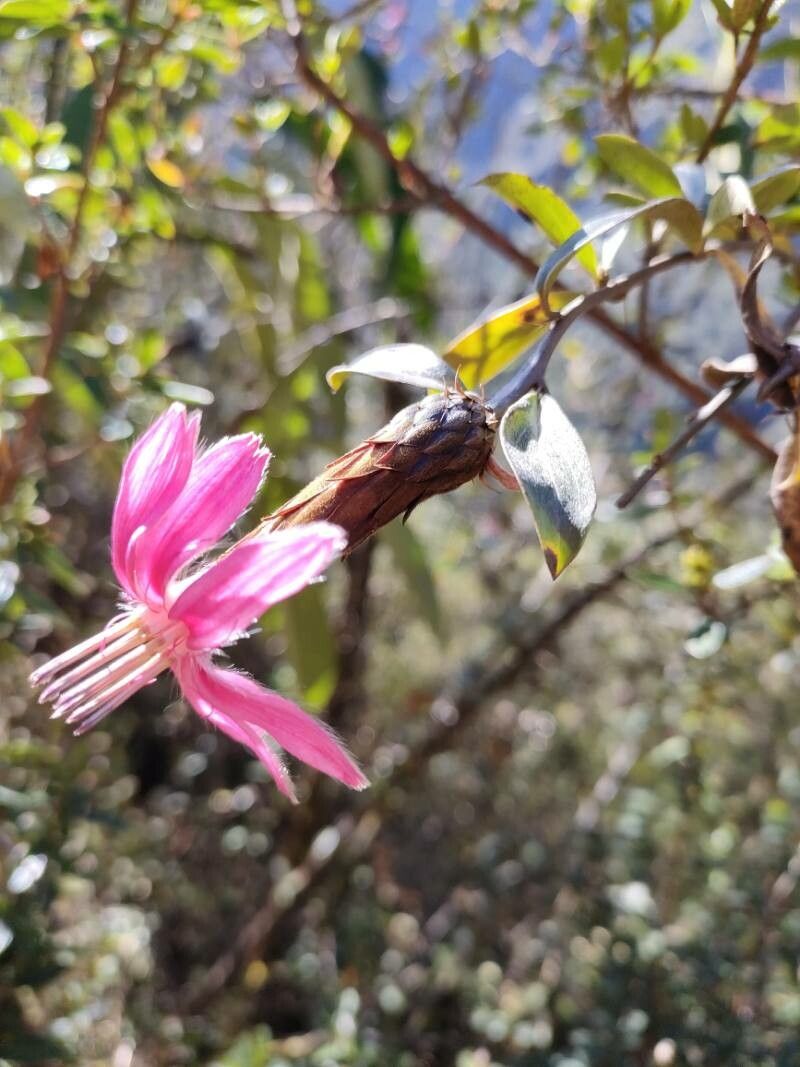
Oh, Barnadesia horrida! What a magnificent plant to get your hands on. Those spiky, architectural leaves and the bursts of vibrant color they eventually put out are truly something special. If you’ve ever admired one, you’ll know the pull to have more for your own garden or to share with fellow plant lovers. Propagating it is a fantastic way to do just that, and while it might have a slight reputation for being a bit particular, with a little know-how, it’s absolutely achievable. Think of it as a rewarding challenge, not a daunting one.
The Best Time to Start
For Barnadesia horrida, I always find the late spring to early summer is your golden window. This is when the plant is really kicking into its active growth phase. You’ll see healthy, vigorous new shoots developing, and these are the ones you want to work with. Starting when the plant is actively growing means your cuttings will have the best chance to root and establish quickly. Trying to propagate during dormancy or a major stress period is just asking for disappointment.
Supplies You’ll Need
Before we dive in, let’s get our toolkit ready. Having everything at hand makes the process so much smoother:
- Sharp, clean pruning shears or a razor blade: Essential for making clean cuts. Sterilize them with rubbing alcohol to prevent disease.
- Rooting hormone powder or gel: This isn’t always strictly necessary for Barnadesia, but it can give your cuttings a significant boost, especially if you’re a bit new to this.
- Well-draining potting mix: I like a blend of coarse perlite, peat moss, and a bit of sand. You want something that allows water to drain away quickly. Think succulent mix, but maybe a tad richer.
- Small pots or seed trays with drainage holes: Clean ones, of course!
- Plastic bags or a clear propagation dome: To create a humid microclimate.
- Labels and a waterproof marker: To keep track of what you’ve propagated and when.
Propagation Methods: Let’s Get Our Hands Dirty!
The most reliable way I’ve found to propagate Barnadesia horrida is through stem cuttings. It’s straightforward and gives excellent results when done correctly.
- Select Your Cuttings: Look for healthy, non-flowering stems that are about 4-6 inches long. You want stems that have a bit of flexibility but aren’t overly soft or woody. Ideally, they should have at least a few leaves.
- Make the Cut: Using your sterilized pruning shears or razor blade, make a clean cut just below a leaf node (the point where a leaf attaches to the stem). This is where the magic happens for root formation.
- Prepare the Cutting: Gently remove the lower leaves from the stem, leaving just a couple of sets at the top. This prevents them from rotting in the soil. If the remaining leaves are very large, you can cut them in half to reduce water loss through transpiration.
- Apply Rooting Hormone (Optional but Recommended): Dip the cut end of the stem into your rooting hormone powder or gel. Tap off any excess.
- Plant Your Cuttings: Fill your small pots with your prepared, moistened potting mix. Make a small hole with your finger or a pencil and insert the cutting, firming the soil gently around it.
- Create the Humid Environment: Water the soil lightly. Then, you can either place a plastic bag over the pot (making sure it doesn’t touch the leaves) or cover the pot with a clear propagation dome. This traps moisture and humidity, which is crucial for rooting.
- Placement is Key: Place your pots in a bright location out of direct sunlight. A warm spot is ideal.
The “Secret Sauce”: Insider Tips
I’ve learned a few things over the years that can really make a difference. Don’t be afraid to try these:
- Bottom Heat is Your Friend: If you have an old heating mat for seedlings, use it! Placing your pots on a gentle bottom heat source can significantly speed up root development. It encourages the plant to send energy downwards.
- Don’t Overwater! This is probably the biggest mistake beginners make. The soil should be consistently moist, but never soggy. Overwatering is a fast track to rot. Poke your finger into the soil; if it feels wet, wait.
- Air Circulation Helps: While humidity is vital, stagnant air can encourage fungal issues. Periodically lift the plastic bag or prop open the dome for a few minutes each day to allow for some fresh air exchange. This helps prevent mold.
Aftercare & Troubleshooting
Once you start seeing signs of new growth – perhaps a tiny leaf unfurling or a bit of resistance when you gently tug on the cutting – that’s a good indication that roots have formed! You can then gradually acclimate your new plant to slightly less humid conditions by slowly opening the bag or dome over a week or so. Continue to water as needed to keep the soil lightly moist.
Now, what if things aren’t going as planned? The most common issue you’ll face is rot. If your cutting turns mushy, black, or starts to fall apart, it’s likely due to too much moisture and not enough air circulation. Unfortunately, there’s usually no coming back from rot. Your best bet is to discard the failed cutting and start again, making sure to pay close attention to your watering and air circulation. Another sign of failure might be wilting that doesn’t perk up after watering; this could indicate the hormones didn’t take or the cutting was simply not viable.
Happy Propagating!
Growing new plants from cuttings is one of the most satisfying parts of gardening. It’s a chance to multiply your botanical treasures and share them with others. Be patient with your Barnadesia horrida; some plants take their sweet time. Enjoy the process of nurturing these little beginnings, and I have no doubt you’ll have success. Happy gardening!
Resource:
https://identify.plantnet.org/k-world-flora/species/Barnadesia%20horrida%20Muschl./data