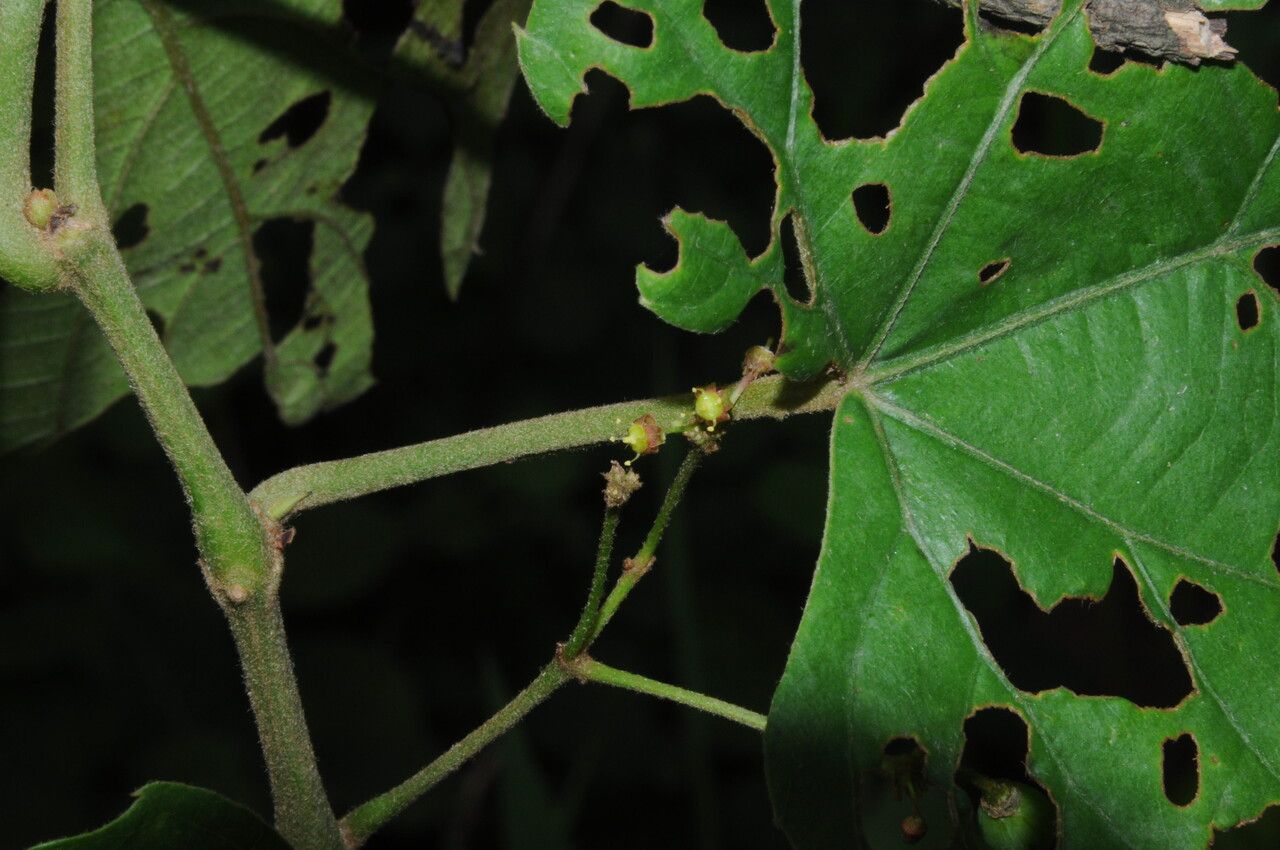
Hey there, fellow plant lovers! I’m so excited to chat with you today about one of my absolute favorites: Cissus repanda. If you’re looking for a gorgeous vining plant with a tropical flair, this is it! Its glossy, heart-shaped leaves are simply stunning, and the way it cascades and climbs is pure magic. Propagating Cissus repanda is a fantastic way to fill your home with more of this beauty, or to share the joy with friends. And the best part? It’s surprisingly straightforward, even for those just starting their plant parent journey.
The Best Time to Start
When it comes to getting the most bang for your propagation buck, spring and early summer are your golden ticket. This is when your Cissus repanda is actively growing and bursting with energy. New growth is usually full of vigor, making it more eager to put out roots. Trying to propagate during the plant’s dormant period in winter is just asking for frustration!
Supplies You’ll Need
Gathering your tools before you begin makes the whole process so much smoother. Here’s what I always have on hand:
- Sharp, clean pruning shears or scissors: Essential for making clean cuts.
- Small pots or containers: Terracotta or plastic work equally well. Make sure they have drainage holes!
- Well-draining potting mix: I like a blend of peat moss, perlite, and a bit of good quality potting soil. You can also buy pre-made succulent or cactus mixes.
- Rooting hormone (optional but recommended): This little booster can significantly speed up root development.
- A plastic bag or clear plastic dome: To create a humid environment for your cuttings while they root.
- Water: For water propagation or for moistening your soil.
Propagation Methods
Let’s get our hands dirty! Here are my go-to methods for multiplying Cissus repanda.
Stem Cuttings: The Classic Approach
This is by far the most popular and effective way to propagate Cissus repanda.
- Take your cuttings: Look for healthy stems with at least two to three sets of leaves. Using your clean pruning shears, cut just below a leaf node (that’s the little bump on the stem where a leaf grows). Aim for cuttings that are about 4-6 inches long.
- Remove lower leaves: Gently pinch or snip off the leaves from the bottom half of your cutting. This prevents them from rotting when buried or submerged.
- Dip in rooting hormone (optional): If you’re using rooting hormone, lightly dip the cut end of the stem into the powder, tapping off any excess.
- Plant your cuttings: Fill your small pots with your well-draining potting mix. I usually make a little hole with my finger or a pencil, then gently insert the cutting, ensuring the leaf nodes are below the soil surface. Lightly pack the soil around the stem.
- Water gently: Water the soil thoroughly until water drains from the bottom.
- Create humidity: Cover the pot with a clear plastic bag, propped up by stakes or chopsticks so it doesn’t touch the leaves, or use a clear plastic dome. This creates a mini-greenhouse effect.
- Place in bright, indirect light: Find a warm spot that gets plenty of bright, but not direct, sunlight.
Water Propagation: A Transparent Path to Roots
This method lets you watch the magic happen!
- Prepare your cuttings: Follow steps 1 and 2 from the stem cuttings method.
- Place in water: Fill a clean glass or jar with fresh water. Place your cuttings in the water, making sure no leaves are submerged. The leaf nodes are where the roots will emerge, so they need to be in contact with the water.
- Change water regularly: Refresh the water every few days to keep it clean and oxygenated.
- Location: Place the container in bright, indirect light, just like with soil propagation.
The “Secret Sauce” (Pro Tips)
Over the years, I’ve picked up a few tricks that really seem to boost my success rates.
- Scrape a tiny bit: For stubborn stems, try very gently scraping a tiny sliver of the outer layer off the bottom inch of the stem. This exposes more of the cambium layer, which can encourage root development. Do this just before dipping into rooting hormone.
- Warmth is key: While bright light is important, consistent warmth from the soil surface is a game-changer. If your home tends to be on the cooler side, using a seedling heat mat under your pots can make a huge difference in speeding up root formation. You don’t need it blazing hot, just gently warm.
- Don’t overwater: While humidity is crucial, soggy soil is the kiss of death for cuttings. Let the top inch of soil dry out slightly between waterings. It’s always better to err on the side of a little too dry than a little too wet.
Aftercare & Troubleshooting
Once you start seeing roots emerging from the bottom of the pot or a node in the water, congratulations! You’ve got a new baby Cissus repanda on its way.
For water-propagated cuttings, wait until the roots are at least an inch or two long before carefully transplanting them into a pot with your well-draining potting mix. Treat them just like you would a newly potted cutting.
For soil-propagated cuttings, you’ll know they’ve rooted when you feel a gentle resistance when you very lightly tug at the stem, or when you see new leaf growth emerging. Continue to keep the soil consistently moist (but not waterlogged) and maintain that humid environment for a few more weeks. Once they are well-established, you can gradually acclimate them to lower humidity and standard conditions.
The most common sign of failure is rot. If your cutting turns mushy, black, or develops a foul smell, it’s usually a sign of too much moisture and not enough air circulation. If you catch it early, you might be able to cut off the rotted portion and try again, but often it’s time to start fresh. Browning or wilting leaves can also indicate too much direct sun or a lack of water.
A Little Patience Goes a Long Way
Propagating plants is a wonderful way to connect with nature and expand your green collection without breaking the bank. Don’t be discouraged if your first attempt isn’t a roaring success. Every cutting is a learning opportunity! Enjoy the process, celebrate each little root that appears, and before you know it, you’ll have a whole new cascade of beautiful Cissus repanda to admire. Happy propagating!
Resource: