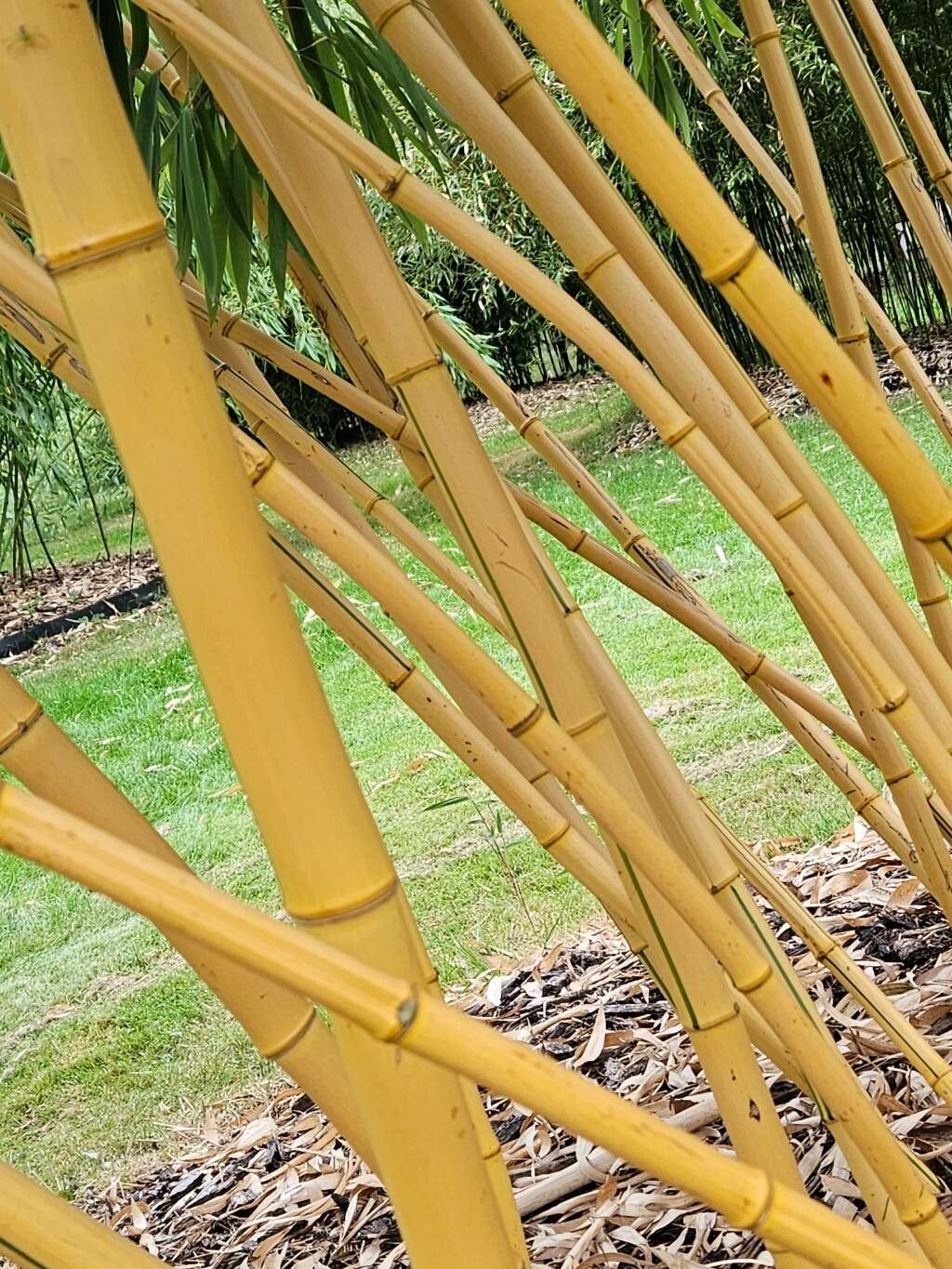
Hello, fellow garden enthusiasts! Today, we’re diving into the wonderful world of bamboo, specifically a magnificent specimen: Phyllostachys vivax. If you’ve ever admired its towering, graceful culms and lush green foliage, you’re not alone. Phyllostachys vivax brings a touch of the exotic to any garden, creating a sense of serenity and natural beauty. The idea of creating more of these beauties from your existing plant is incredibly rewarding! Now, let me be upfront: while not the absolute easiest plant to propagate for a complete beginner, Phyllostachys vivax is definitely achievable with a little care and patience. Think of it like learning to bake a new cake – a few practice rounds, and soon you’ll be a pro!
The Best Time to Start
For the highest chance of success, the spring or early summer is your golden window. This is when the plant is actively growing and has plenty of energy to put into developing new roots. You want to focus on new, vigorous shoots that are still relatively soft and supple.
Supplies You’ll Need
Here’s what I usually gather before I get started:
- Sharp pruning shears or a clean, sharp knife: For making precise cuts.
- Rooting hormone (optional but recommended): A powder or gel that encourages root development.
- Potting mix: A well-draining mix is crucial. I like to use a blend of half peat moss or coir and half perlite or coarse sand.
- Small pots or propagation trays: With drainage holes, of course!
- Watering can or mister: For gentle hydration.
- Clear plastic bags or a propagation dome: To maintain high humidity.
- Labels: To remember what you’ve planted and when!
Propagation Methods
Phyllostachys vivax is primarily propagated through division, which is a fantastic way to get a larger plant going right away. You can also try stem cuttings, though this can be a bit more challenging.
Method 1: Division
This is my go-to method for this type of bamboo. It’s like giving your plant a haircut and getting a bonus in return!
- Gently excavate your bamboo: If your plant is in the ground, carefully dig around the perimeter, trying to lift as much of the root ball as possible without damaging it. For potted bamboo, remove the entire plant from its container.
- Inspect the rhizomes: You’ll see the thick, underground stems called rhizomes. Look for sections that have at least one viable shoot or bud attached.
- Make clean cuts: Using your sharp pruning shears or knife, carefully cut the rhizome into sections. Aim for sections that are a good size, maybe 6-12 inches long, and ensure each piece has at least one active bud or shoot. It’s okay if there are a few roots attached too.
- Replant immediately: Prepare your new pots with your well-draining potting mix. Dig a hole deep enough to accommodate the rhizome and the attached shoot. Place the division in the hole, ensuring the rhizome is mostly covered but the shoot is exposed.
- Water thoroughly: Give your newly planted divisions a good, gentle watering.
Method 2: Stem Cuttings (More Advanced)
This method is more about capturing a piece of stem for new growth.
- Select a healthy culm: Choose a culm that is at least one year old, but not overly woody. It should have several nodes (the joints where leaves emerge).
- Make cuttings: Using your sharp shears, cut sections of the culm that are about 6-12 inches long. Ensure each cutting has at least two to three nodes. Make your cuts just below a node.
- Prepare the cutting: Remove all but one or two of the smallest leaves from the top of the cutting. If the leaves are large, you can cut them in half to reduce water loss. You can optionally dip the cut end in rooting hormone.
- Plant or water:
- For planting: Insert the cut end into your well-draining potting mix, burying at least one node.
- For water propagation: Place the cuttings in a jar of water, ensuring that at least one node is submerged. Crucially, make sure no leaves are touching the water.
The “Secret Sauce” (Pro Tips)
Here are a couple of tricks I’ve learned over the years that can make a big difference:
- Bottom Heat for Cuttings: If you’re trying the stem cutting method, especially if you live in a cooler climate, placing your pots on a seedling heat mat can dramatically speed up root formation. It mimics the warmth of spring soil.
- Don’t Drown Your Divisions: While you want to keep divisions moist, avoid waterlogged soil at all costs. Bamboo roots are prone to rot if they sit in soggy conditions. Ensure excellent drainage, and water only when the top inch or two of soil feels dry. For cuttings, rinsing and replacing the water every few days can help prevent stagnation.
Aftercare & Troubleshooting
Once your divisions are planted, keep them consistently moist but not soggy. Place them in a lightly shaded spot. For stem cuttings, maintain high humidity. Covering your pots with a clear plastic bag (with a few air holes) or using a propagation dome works wonders.
You’ll know your cutting is taking if you see new leaf growth. For divisions, you’re looking for the existing shoot to look healthy and robust, and eventually, you might see new shoots emerging from the rhizome.
Signs of failure usually involve wilting that doesn’t perk up after watering, yellowing and then browning leaves, or a general lack of vigor. The most common culprit is overwatering, leading to rot. If you see a mushy, dark end on a cutting or a division, it’s likely too late for that piece. Don’t be discouraged; it happens even to the best of us! Just try again with improved drainage or more careful watering.
A Little Patience Goes a Long Way
Propagating Phyllostachys vivax is a journey. It takes time for new roots to develop and for the plant to establish itself. Be patient, enjoy the process of nurturing these new life forms, and celebrate each tiny victory. Soon, you’ll have more of this incredible bamboo to enjoy in your garden or share with friends. Happy gardening!
Resource:
https://identify.plantnet.org/k-world-flora/species/Phyllostachys%20vivax%20McClure/data