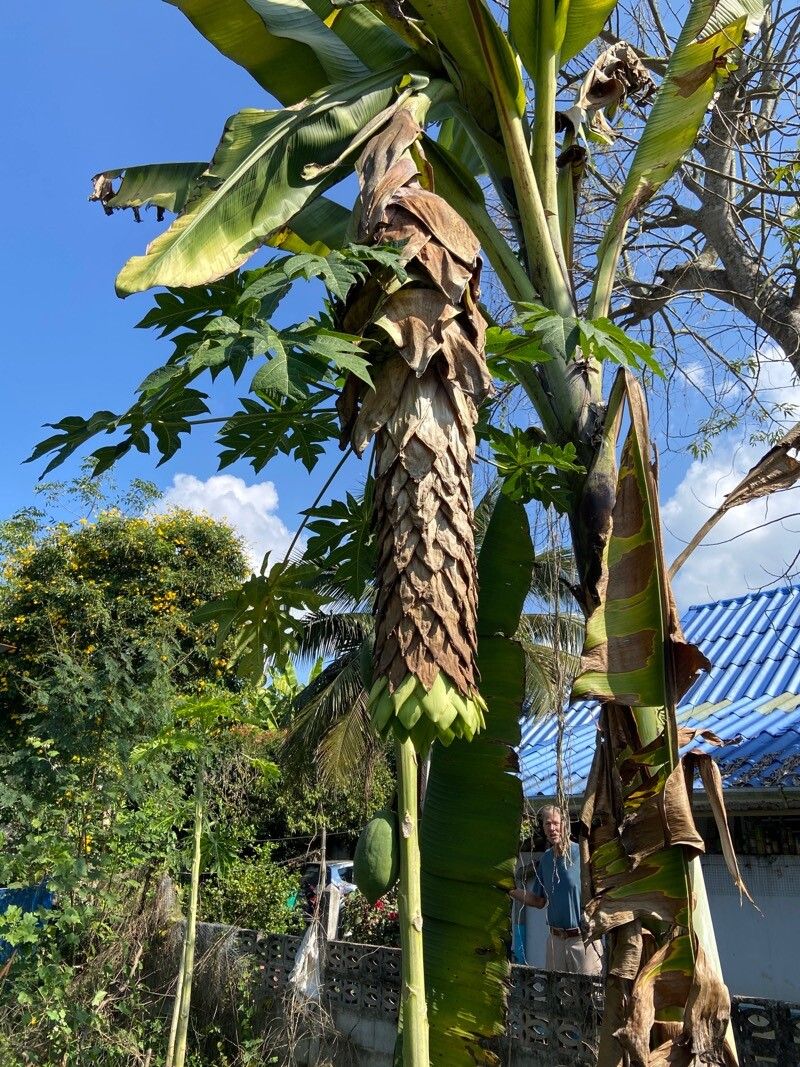
Oh, hello there! Pull up a chair and let’s talk about one of my absolute favorites: Ensete glaucum. This plant, a magnificent relative of the banana, is just a showstopper in any garden or even as a dramatic container specimen. Its large, paddle-shaped leaves, often with a beautiful powdery blue-green hue, bring a tropical vibe like no other. Propagating them yourself is incredibly rewarding. You get to witness that spark of new life, and frankly, have more of these beauties to share or plant out! Now, I’ll be honest, Ensetes aren’t exactly beginner-beginner friendly when it comes to propagation, but with a little care and the right approach, it’s absolutely achievable.
The Best Time to Start
For the best results with Ensete glaucum, I always aim to propagate in the late spring or early summer. This is when the plant is actively growing, and its natural vigor will help new cuttings establish roots more quickly. If you’re dividing a larger plant, doing it right after the last frost, as new growth begins to emerge, is also a prime time.
Supplies You’ll Need
Gathering your supplies beforehand makes the whole process so much smoother. Here’s what you’ll want to have on hand:
- Sharp, clean pruning shears or a sturdy knife: For making precise cuts. Sterilize them with rubbing alcohol between cuts!
- Rooting hormone powder or gel: This isn’t strictly essential for Ensetes, but it definitely gives cuttings a helpful boost.
- Well-draining potting mix: I like a mix of equal parts perlite, coarse sand, and a good quality potting soil. You want it to dry out between waterings. You can also use a mix specifically for houseplants or cacti and succulents.
- Small pots or trays: For your cuttings to root in. Make sure they have drainage holes!
- Clear plastic bags or a propagation dome: For creating a humid environment.
- Spray bottle: For misting your cuttings.
- Optional: Heating mat: Especially helpful if you’re propagating in cooler conditions.
Propagation Methods
The most reliable way to propagate Ensete glaucum is through division. Ensetes typically produce offsets or pups at the base of the parent plant.
Division Method:
- Carefully remove the parent plant from its pot or dig it up from the ground. Gently shake away excess soil to expose the base.
- Inspect the base for any side shoots or pups that have developed their own root system. You’re looking for a distinct plant emerging from the main stem.
- Use your sharp knife or pruning shears to gently separate a pup from the mother plant. Try to get as many roots as possible with the pup. If a pup doesn’t have many roots of its own, don’t worry too much; it will grow them.
- Let the cut surface on both the parent plant and the pup callous over for a day or two in a dry, shaded spot. This helps prevent rot.
- Pot the separated pup into its own well-draining pot filled with your chosen potting mix. Make sure it’s planted at a similar depth it was before.
- Water lightly to settle the soil. Avoid overwatering!
- Place the potted pup in a warm location with bright, indirect light. Mist the leaves occasionally if the air is dry.
While stem cuttings are possible with some Ensete species, they can be trickier and are more prone to rot. Division is definitely the way to go for this particular plant.
The “Secret Sauce” (Pro Tips)
Here are a couple of things I’ve learned over the years that really make a difference:
- Don’t keep it soaking wet! This is probably the biggest mistake people make with divisions. While they need moisture to establish, constantly waterlogged soil is a death sentence. They need to be able to dry out slightly between waterings. Think “damp, not soggy.”
- Bottom heat is your friend. If you can provide a gentle heat source from below, especially if your ambient temperature isn’t consistently warm, it will significantly speed up root development. A seedling heat mat is perfect for this.
Aftercare & Troubleshooting
Once your Ensete glaucum pup is potted, patience is key. Keep it in bright, indirect light. Water only when the top inch or two of soil feels dry to the touch. You want to see new leaf growth emerge before you consider it successfully established.
The most common issue you might encounter is rot. This usually happens from overwatering or planting in soil that doesn’t drain well. You’ll notice the base of the plant becoming mushy and discolored, or leaves wilting and turning black. If you see this, act fast! You might be able to salvage a healthy piece by cutting away all the rotten material and letting the healthy part callous over before trying to re-pot it in fresh, dry soil.
A Encouraging Closing
Propagating Ensete glaucum is a journey, and like any good journey, there might be a little bump or two along the way. Don’t get discouraged if your first attempt isn’t perfect. Keep trying, observe your plants, and trust your gardening instincts. The satisfaction of seeing a new plant thrive from a piece of an old one is truly unparalleled. Happy propagating!
Resource:
https://identify.plantnet.org/k-world-flora/species/Ensete%20glaucum%20(Roxb.)%20Cheesman/data