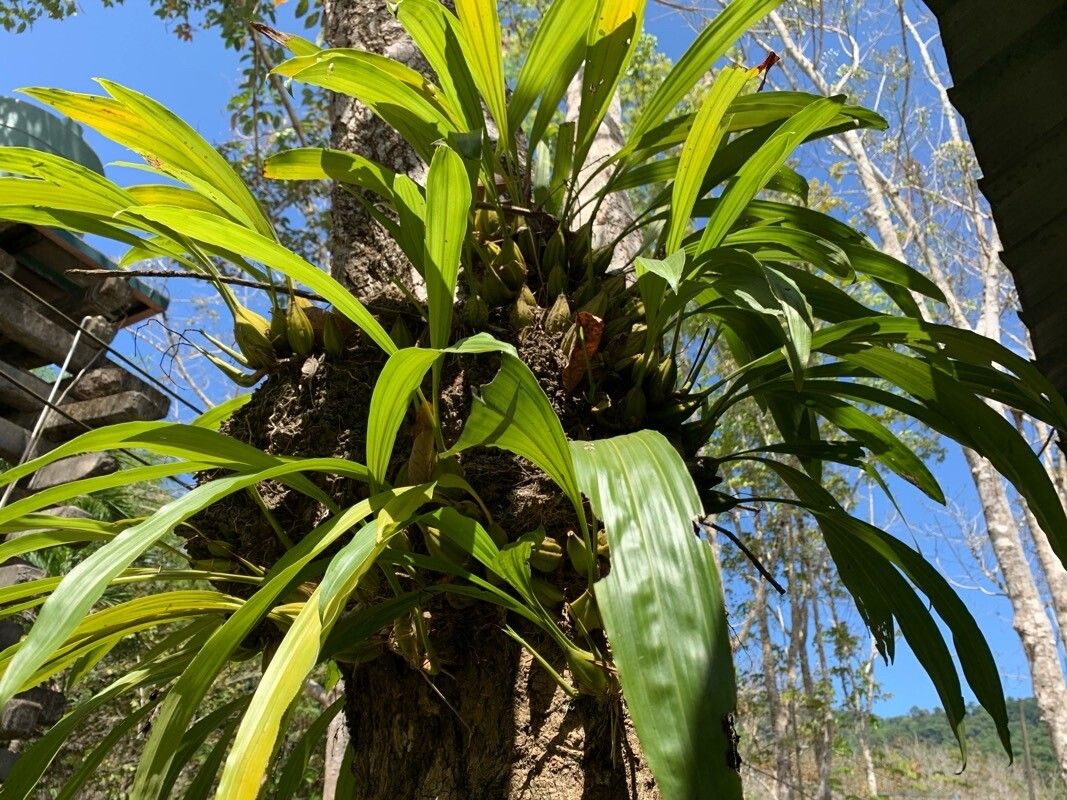
Oh, Coelogyne pallida! What a gem for any orchid lover. Its delicate, pale blooms, often with a subtle, sweet fragrance, are just a delight. If you’re drawn to its elegance, you’re in for a treat. Propagation, while it has a few nuances, is a wonderfully rewarding way to multiply these beauties. Don’t let the orchid moniker scare you; while it’s not quite as plug-and-play as, say, a pothos, Coelogyne pallida is definitely approachable for those willing to pay a little attention.
The Best Time to Start
For Coelogyne pallida, the sweet spot for propagation is usually right after the plant has finished flowering. This is when it’s building up its energy for new growth. You’ll likely see new pseudobulbs starting to swell or new leaf shoots emerging. This active growth phase means the plant has plenty of resources to dedicate to rooting. Waiting until spring or early summer, when temperatures are naturally warming up, is also ideal to give your new divisions plenty of growing season to establish.
Supplies You’ll Need
Before we get our hands dirty, let’s gather our tools. Having everything ready makes the process so much smoother.
- Sharp, sterilized pruning shears or a clean knife: Essential for making clean cuts which reduces the risk of disease. I always give mine a quick wipe with rubbing alcohol between divisions.
- Good quality orchid potting mix: For Coelogyne, I prefer a mix with good aeration. Think bark chips, perlite, and a bit of sphagnum moss. You want it to drain well but still retain some moisture.
- New pots or containers: Clean pots, no matter how small, are a must. Terracotta or plastic works, just make sure they have drainage holes.
- Optional: Rooting hormone: While not strictly necessary for Coelogyne pallida, a gentle dusting can sometimes give things a little nudge.
- Watering can or spray bottle: For gentle watering.
Propagation Methods
Coelogyne pallida is most commonly propagated by division. It’s like gently separating a family into smaller, happy units.
- Assess Your Plant: Gently remove your Coelogyne pallida from its pot. You’re looking for established pseudobulbs that have at least two or three healthy pseudobulbs attached to the main rhizome. These are your potential new plants.
- Clean Up: Gently shake away as much of the old potting mix as you can. This allows you to clearly see the rhizome and where to make your cuts. You might want to gently rinse the roots under lukewarm water to remove stubborn remnants.
- Make the Cut: Using your sterilized shears or knife, carefully slice through the rhizome. Aim to make a clean cut, ensuring each new division has at least a couple of those plump pseudobulbs and a healthy root system. Don’t be afraid to gently tease roots apart if they are tangled, but be mindful not to damage them excessively.
- Potting Up: Prepare your new pots with fresh orchid mix. Create a little well in the center and place your Coelogyne division in it, spreading out the roots. The base of the pseudobulbs should sit just at the surface of the mix. Gently firm the mix around the roots. You want the division to be stable and not wobble.
- Watering: After potting, give each new division a light watering. You want the potting mix to be moist but not waterlogged.
The “Secret Sauce” (Pro Tips)
Here are a few things I’ve learned over the years that can make a difference:
- Don’t rush the roots: Newly divided orchids can look a bit sorry for themselves. They might droop. Resist the urge to water them constantly hoping for a quick fix. Let them settle in. They need time to regrow those fine feeder roots.
- Air circulation is key: After division, especially, good air movement around the plant helps prevent rot, which is the number one enemy of young orchid divisions. Avoid placing them in stagnant, humid corners initially.
- Consider a gentle mist: While I don’t advocate for keeping them perpetually wet, a light misting of the leaves once a day for the first week or two can help reduce stress and keep them hydrated until their roots are more established. Just make sure it dries out fairly quickly.
Aftercare & Troubleshooting
Once your divisions are potted, place them in a location with bright, indirect light. Avoid direct sun, which can scorch young leaves. Water when the potting mix starts to feel dry to the touch – this might be more frequent initially as they are establishing.
The biggest troublemaker you’ll encounter is rot. If you see pseudobulbs looking shriveled and mushy, or leaves turning yellow and mushy at the base, it’s a sign of overwatering or poor drainage. If you suspect rot, carefully remove the division from the pot, trim away any affected tissue with your sterile tool, and repot in fresh, dry mix. Allow it to “air out” for a few days before watering lightly. Lack of new growth or wilting leaves that don’t improve could mean the roots are struggling. Patience is key here; sometimes it just takes time for them to rally.
A Encouraging Closing
Propagating Coelogyne pallida is a journey, not a race. There will be moments of quiet anticipation, perhaps a little worry, but oh, the joy when you see that first tiny new leaf emerge! So embrace the process, be gentle with your divisions, and trust your instincts. Happy growing!
Resource:
https://identify.plantnet.org/k-world-flora/species/Coelogyne%20pallida%20(Lindl.)%20Rchb.f./data