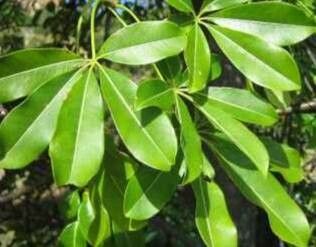
Oh, the Baobab! Adansonia madagascariensis. Just saying the name brings to mind those magnificent, ancient trees with their impossibly swollen trunks and windswept crowns. If you’re captivated by these giants, you’re not alone! The idea of coaxing one of these marvels to life from a small cutting or seed is incredibly rewarding. Now, let’s be upfront: propagating Baobabs isn’t quite as straightforward as a begonia cutting, but with a bit of patience and the right approach, it’s absolutely achievable, especially if you’re willing to learn as you go. I’ve had many wonderful gardening conversations over the years, and this is one plant that always sparks enthusiasm.
The Best Time to Start
For the highest success rate with Adansonia madagascariensis, start during its active growing season. This typically means late spring and summer, when temperatures are warm and there’s plenty of light. Trying to propagate when the plant is dormant or during cool, damp weather will significantly decrease your chances of success. Think of it like giving your new baby plant the best possible chance to thrive from day one.
Supplies You’ll Need
Having your supplies ready beforehand makes the whole process so much smoother. Here’s what I usually gather:
- Sharp Pruning Shears or a Clean Knife: For making clean cuts. Sterilize them with rubbing alcohol to prevent disease.
- Rooting Hormone Powder: This is your little helper to encourage root development. Look for one with a good concentration of auxins.
- Well-Draining Potting Mix: A blend of perlite, coarse sand, and a good quality potting soil works wonders. Alternatively, a cactus and succulent mix is a great starting point.
- Small Pots or Seed Trays: Make sure they have drainage holes!
- Plastic Bag or Humidity Dome: To create a mini greenhouse effect.
- Spray Bottle: For misting.
- Optional: Heat Mat: For bottom heat, which can significantly speed up root development.
Propagation Methods
While germinating seeds is common, propagating from cuttings can be a faster way to get a small version of your beloved Baobab.
Stem Cuttings (The Most Common Approach):
- Select a Healthy Stem: Choose a healthy, young, but not overly soft, stem that has been actively growing. About 6-8 inches long is usually a good size.
- Make the Cut: Using your sterilized shears or knife, make a clean cut just below a leaf node. This is where roots are most likely to form.
- Prepare the Cutting: Gently remove the lower leaves, leaving just a few at the very top. This prevents them from rotting in the soil. If the cutting has any flowers or developing fruit, remove them as they divert energy away from root formation.
- Apply Rooting Hormone: Dip the cut end into your rooting hormone powder, tapping off any excess.
- Pot Up: Fill your small pot with your well-draining potting mix. Make a hole in the center with your finger or a pencil.
- Insert the Cutting: Place the prepared cutting into the hole and gently firm the soil around it.
- Water Lightly: Water the soil very gently to settle it. You don’t want to saturate it.
- Create a Humid Environment: Cover the pot with a plastic bag or humidity dome. Make sure the leaves do not touch the inside of the bag. You can use stakes to create a small tent if needed.
- Provide Warmth and Light: Place the pot in a bright location, but out of direct, scorching sunlight. A spot with bright, indirect light is ideal. If you can, use a heat mat placed underneath the pot. This warmth from below can be a real game-changer.
The “Secret Sauce” (Pro Tips)
These are a few little things I’ve learned over the years that really make a difference:
- Let it Callous: After making your cutting, let it sit out in a dry, airy spot for a day or two before applying rooting hormone and potting it up. This allows the cut end to form a protective “scab,” which can help prevent rot.
- Bottom Heat is Your Friend: Seriously, that gentle warmth from a heat mat makes a huge difference in encouraging root formation, especially for plants that prefer warmer conditions. It mimics what happens in nature when roots grow down into warm soil.
- Observe, Don’t Disturb: Patience is key! Resist the urge to constantly pull your cutting out to check for roots. You’ll do more harm than good. Wait at least 3-4 weeks before gently tugging on the cutting to feel for resistance.
Aftercare & Troubleshooting
Once you see signs of new growth, that’s a fantastic indicator that roots have formed!
- Acclimatization: Slowly start to acclimate your new plant to drier air. Gradually open up the plastic bag or ventilation on your humidity dome over a week or so.
- Watering: Water sparingly. Allow the soil to dry out slightly between waterings. Overwatering is the quickest way to kill a new Baobab cutting.
- Light: Continue to provide bright, indirect light. As the plant gets stronger, you can gradually introduce more direct sunlight.
The most common problem you’ll encounter is rot. If your cutting turns mushy, black, or has a foul smell, it’s likely succumbed to rot. This is usually due to too much moisture and not enough air circulation. Don’t be discouraged if it happens; learn from it and try again!
A Encouraging Closing
Growing any plant from a cutting is a little leap of faith, and with something as unique as a Baobab, it’s even more special. Be patient with your Adansonia madagascariensis. Some roots take their sweet time to form. Enjoy the process, watch for those tiny signs of success, and celebrate each milestone. Happy propagating!
Resource:
https://identify.plantnet.org/k-world-flora/species/Adansonia%20madagascariensis%20Baill./data