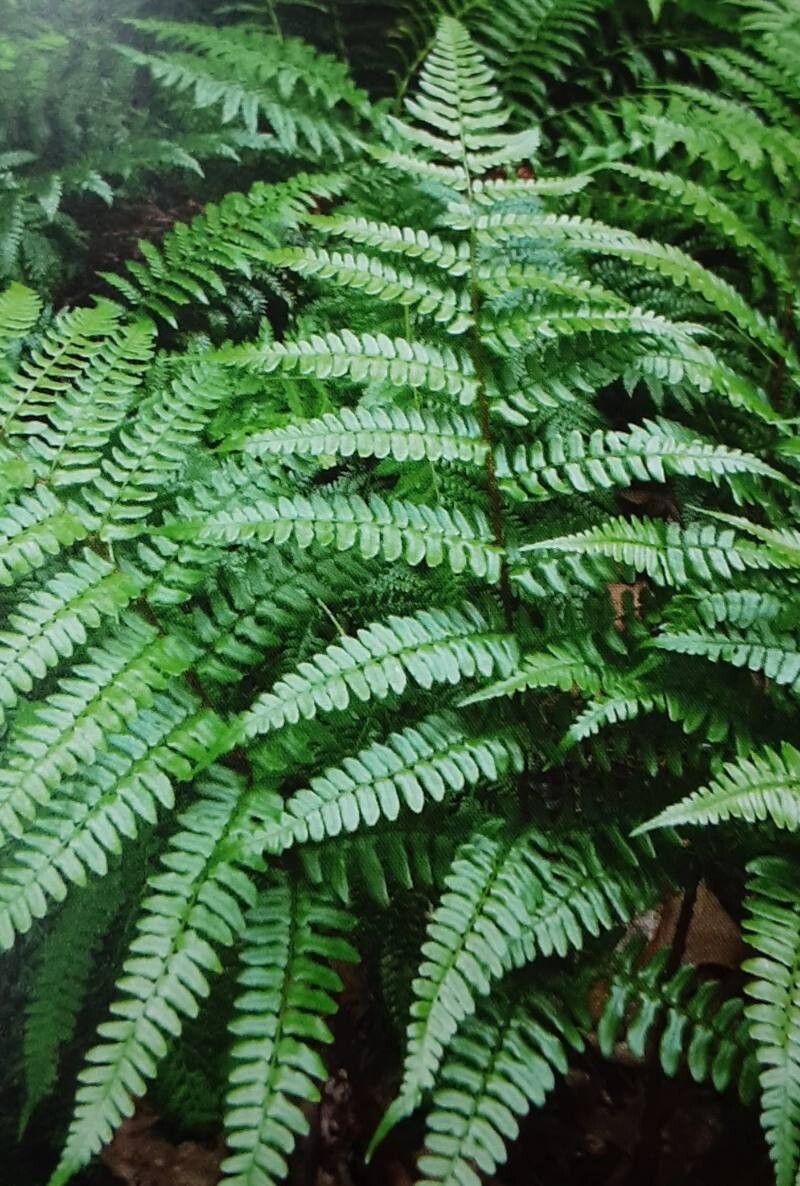
Hey there, fellow plant lovers! Today, we’re diving into the wonderful world of propagating Dryopteris championii. If you’re a fern enthusiast, you’ll know this beauty. Its fronds have this gorgeous, almost architectural quality, unfurling with such elegance. Plus, there’s a special satisfaction that comes from coaxing new life from existing plants. It’s like sharing a little bit of your garden’s magic with the world!
Now, I won’t pretend every fern is a walk in the park to propagate, but Dryopteris championii, with a little know-how, is quite manageable. It’s a rewarding project, even if you’re just dipping your toes into the propagation pond.
The Best Time to Start
For our championii ferns, the sweet spot for propagation is typically late winter to early spring. This is when the plant is preparing for its new growth spurt. You’re getting it at the cusp of its active growing season, which means it has all the energy it needs to push out those new roots. Waiting until you see signs of new frond growth unfurling is a good indicator that your fern is ready to be divided.
Supplies You’ll Need
Gathering your supplies beforehand makes the whole process smoother. Here’s what I always have on hand:
- Sharp, clean pruning shears or a hori hori knife: Essential for clean cuts on divisions.
- Sterilized potting mix: I usually go for a well-draining blend, often a mix of peat moss, perlite, and a bit of compost. A standard fern mix will work wonders.
- Small pots or trays: Choose ones that are appropriately sized for the divisions.
- Watering can or spray bottle: For gentle watering.
- Labels and a permanent marker: Don’t forget to label your new babies!
- (Optional) Rooting hormone: While not strictly necessary for every fern division, it can give a little boost.
Propagation Methods: Division is Key!
When it comes to Dryopteris championii, division is your go-to method. Ferns are rhizomatous, meaning they grow from underground stems that naturally branch out. Over time, these branches can become distinct plantlets.
Here’s how I tackle it:
- Gently remove the fern from its pot. If it’s particularly root-bound, you might need to loosen the edges with your knife.
- Inspect the root ball. Look for natural separation points where the rhizomes have branched. You want to see distinct little crowns from which new fronds are emerging or have emerged.
- Carefully tease apart the sections. You can use your fingers for this, or if a section is stubborn, use your clean pruning shears or hori hori knife to make a clean cut. Aim to ensure each division has a healthy chunk of roots attached.
- Pot up your divisions. Place each new division in its own pot filled with your prepared potting mix. Make sure the crown (where the fronds emerge) is just at the soil surface. Do not bury it too deep.
- Water gently but thoroughly. You want the soil to be evenly moist, not soggy.
The “Secret Sauce” (Pro Tips)
I’ve learned a few tricks over the years that make a real difference.
- Don’t be afraid of a clean cut. A jagged, torn division is an invitation for rot and disease. Use fresh, sharp tools and make decisive cuts. If you are making multiple divisions from a larger clump, make sure each has a good amount of healthy roots.
- Consider bottom heat. If you’re propagating early in spring and your home is still a bit cool, placing your pots on a heated propagation mat can significantly speed up root development. It mimics the warmth of the soil coming alive.
- Patience is your superpower. Ferns can be slow starters. Resist the urge to constantly poke and prod them. Give them time to settle in and establish their root systems.
Aftercare & Troubleshooting
Once your divisions are potted up, keep them in a bright, indirect light location. Avoid direct sun, which can scorch their delicate new growth. Keep the soil consistently moist but not waterlogged. A regular misting can also help keep humidity levels up, which they love.
The most common issue you might encounter is rot. If you see your new fronds browning or turning black and mushy at the base, it’s usually a sign of overwatering. Cut back on watering, ensure good airflow, and make sure your potting mix is draining well. If a division looks truly sad and shows no sign of recovery after a few weeks, it’s okay to let it go. Gardening is a journey of learning!
A Encouraging Closing
Propagating Dryopteris championii is such a rewarding part of gardening. It’s a chance to understand your plants on a deeper level and to share their beauty. Be patient, trust the process, and enjoy watching those new ferns unfurl. Happy propagating!
Resource:
https://identify.plantnet.org/k-world-flora/species/Dryopteris%20championii%20(Benth.)%20C.Chr./data