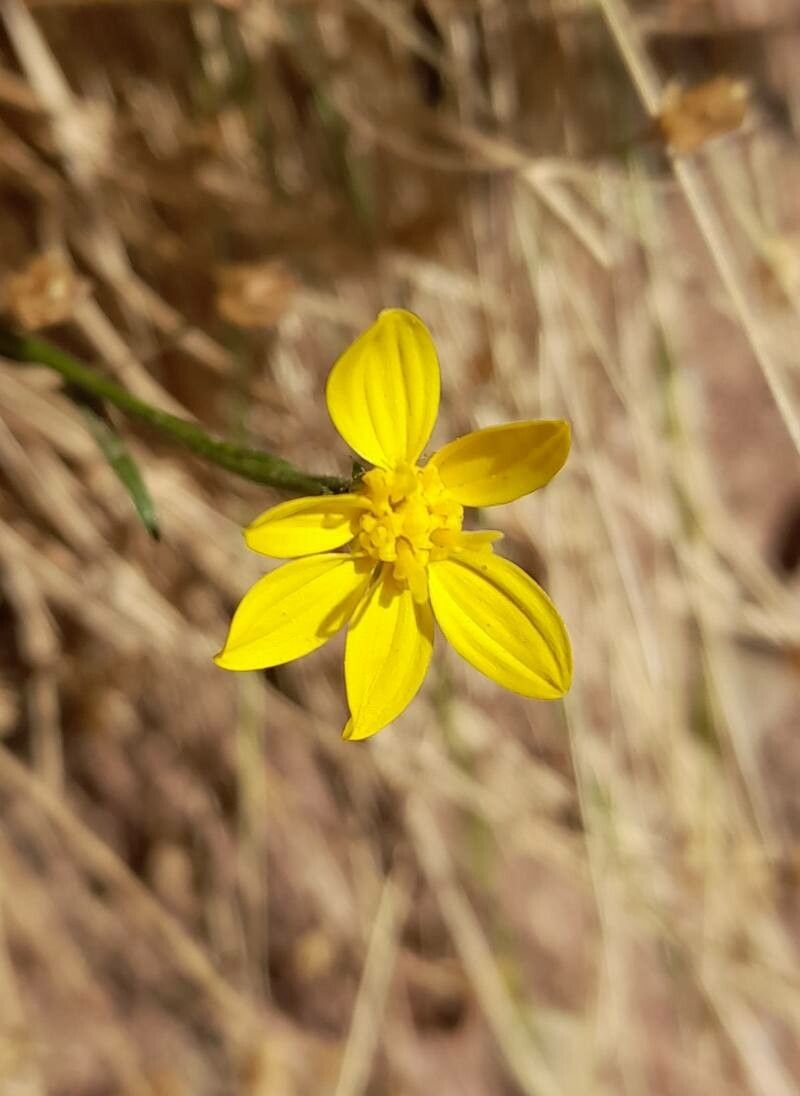
Hello, fellow plant lovers! If you’ve ever admired the cheerful little blooms of Gutierrezia mandonii, that charming native broom with its sunny yellow flowers, you’re in for a treat. Propagating this resilient beauty is a wonderfully rewarding way to fill your garden, pots, or share with friends. It’s a plant that really doesn’t demand a whole lot, making its propagation surprisingly accessible, even if you’re just dipping your toes into the world of plant parenting.
The Best Time to Start
For Gutierrezia mandonii, spring or early summer is your golden window. This is when the plant is actively growing and has plenty of energy to put into new roots. I like to start in late spring, just as things are really warming up but before the intense heat of mid-summer sets in. You want robust, healthy growth to work with.
Supplies You’ll Need
Gathering your tools makes the whole process smoother. Here’s what I always have on hand:
- Sharp Pruning Shears or a Craft Knife: Essential for clean cuts that heal better.
- Potting Mix: A well-draining mix is non-negotiable! I often use a blend of perlite, coarse sand, and some good quality potting soil. Some people like to add a bit of coco coir for moisture retention, but always ensure it’s airy.
- Small Pots or Seed Trays: Clean pots are crucial to avoid introducing diseases.
- Rooting Hormone (Optional, but Recommended): This can give your cuttings a helpful boost. Get one specifically for stem cuttings.
- Watering Can with a Fine Rose: For gentle watering.
- Plastic Bags or Dome: To create a humid environment for your cuttings.
- Labels and Marker: To keep track of what you’ve propagated and when!
Propagation Methods
Gutierrezia mandonii is quite amenable to stem cuttings, which is my preferred method. It’s straightforward and gives me a good success rate.
Stem Cuttings:
- Select Your Cuttings: Look for healthy, non-flowering stems from your mature plant. Aim for pieces that are 4-6 inches long. Gently bend one of the stems; if it snaps cleanly, it’s usually a good time to take a cutting. If it’s very flexible, it might be too soft.
- Make Your Cuts: Using your sharp shears or knife, make a clean cut just below a leaf node. A leaf node is where a leaf attaches to the stem; this is where the magic happens for root formation.
- Prepare the Cuttings: Gently remove the lower leaves from the cutting, leaving just a few at the very top. This prevents them from rotting in the soil.
- Apply Rooting Hormone (if using): Dip the cut end of the stem into your rooting hormone powder, tapping off any excess. This step really does help encourage quicker and stronger root development.
- Plant Your Cuttings: Fill your small pots or trays with your prepared, moistened potting mix. Make a small hole in the center of the mix with a pencil or your finger, and gently insert the cut end of the stem cutting, ensuring it’s firm in the soil. You can push two or three cuttings into a larger pot, spacing them out.
- Water Gently: Give the soil a light watering to settle it around the cuttings.
The “Secret Sauce” (Pro Tips)
Now for a couple of little tricks I’ve picked up over the years that can really make a difference:
- Bottom Heat is Your Friend: For stem cuttings, especially if your room is a bit on the cooler side, placing your pots on a gentle heat mat can significantly speed up root formation. The warmth encourages those roots to get going from below. Just ensure the mat doesn’t dry out your soil too quickly.
- Don’t Over-Humidify: While cuttings appreciate humidity, I’ve found that avoiding water sitting directly on the leaves, especially when they’re enclosed, helps prevent fungal issues. A misting now and then is great, or using a tented plastic bag that doesn’t touch the leaves is even better. Aim for humid, not soggy.
Aftercare & Troubleshooting
Once your cuttings are planted, it’s time for a little patience and observation.
- Keep them Moist but Not Soggy: The soil should feel consistently damp, like a wrung-out sponge. Never let it dry out completely, but also avoid waterlogging, which is the quickest way to invite root rot – a dreaded soggy, mushy stem base.
- Provide Bright, Indirect Light: Set your pots in a spot that gets plenty of bright light, but avoid direct, harsh sunlight, which can scorch those tender new cuttings. A bright windowsill is often perfect.
- Check for Roots: After a few weeks (or sometimes longer!), you can gently tug on a cutting. If you feel resistance, congratulations – you’ve got roots! You can also look for new leaf growth, which is a good sign.
- Troubleshooting Rot: If you notice your cuttings turning black and mushy at the base, it’s likely rot. This often means your soil is too wet and/or not draining well enough, or there’s a lack of air circulation. Sadly, rotten cuttings are usually a goner, but you can try to salvage any healthy top sections if the rot hasn’t reached them.
A Bit of Encouragement to Close
Propagating plants is a journey, and like all journeys, there are times of joyful success and occasional bumps in the road. Don’t be discouraged if every single cutting doesn’t take. Observe, learn, and adjust your approach. Enjoy the process of nurturing these little bits of life, and soon you’ll have your very own Gutierrezia mandonii galore to admire and share! Happy growing!
Resource: