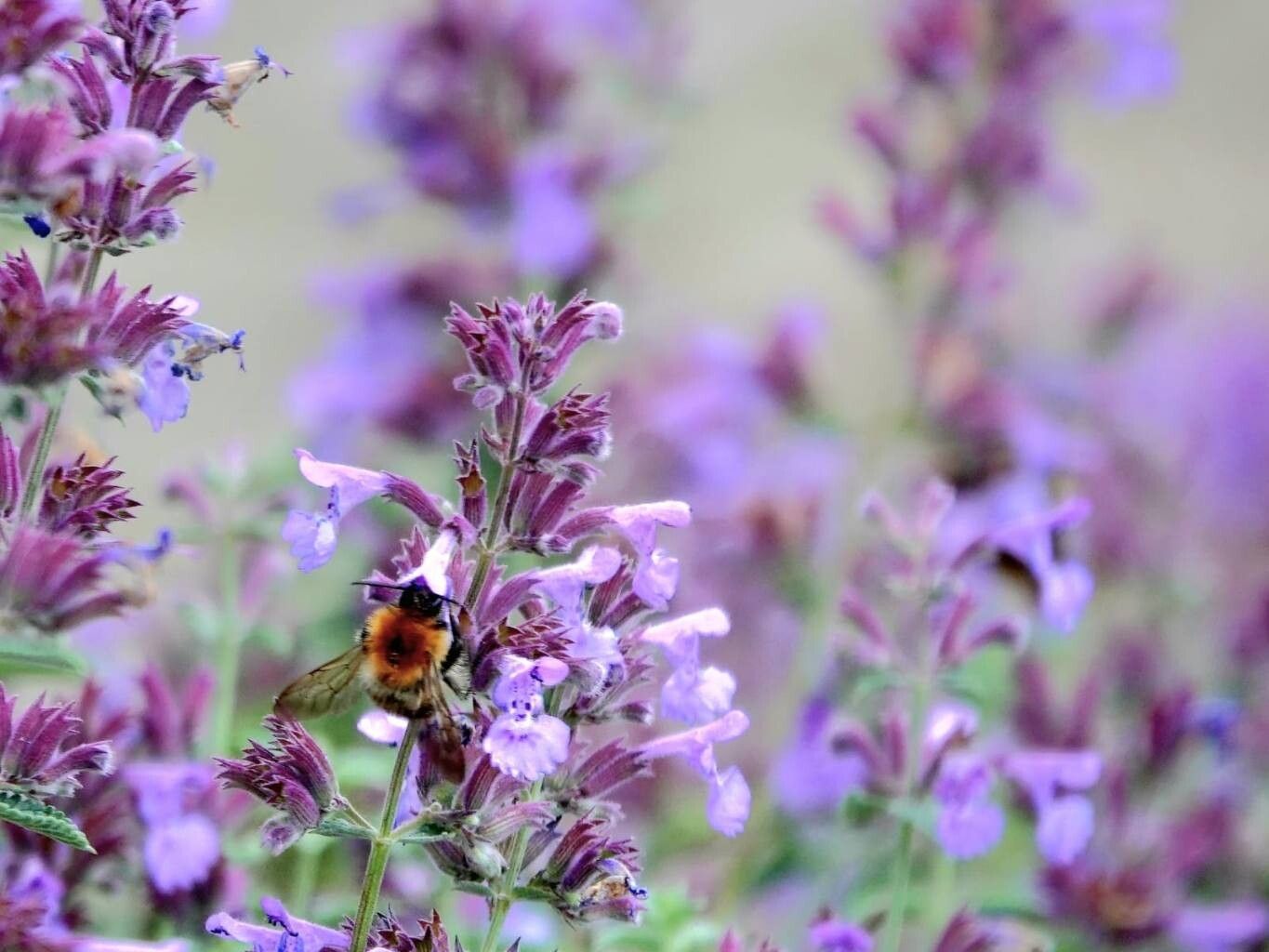
Oh, hello there, fellow plant enthusiasts! It’s so lovely to have you join me today. We’re diving into the wonderful world of Nepeta racemosa, often known as Catmint or Dwarf Catnip. If you’re a fan of those delightful, fragrant spikes of lavender-blue flowers that bees just adore, you’re in for a treat. And the best part? This beauty is incredibly rewarding to propagate! Don’t you love the idea of multiplying your favorite plants for free? For beginners, I’d say Nepeta racemosa is wonderfully forgiving. You’ll likely have a grand old time with it.
The Best Time to Start
When is the magic hour for this project? For stem cuttings and division, I find the late spring to early summer is absolutely prime time. This is when the plant is actively growing and has plenty of energy to put into making new roots. You want to catch it when it’s putting on a good flush of growth, but before it gets too woody.
Supplies You’ll Need
Gathering your tools is half the fun, right? Here’s what you’ll want to have on hand:
- Sharp pruning shears or a clean knife: For making those crucial, clean cuts.
- Rooting hormone powder or gel: It’s not strictly mandatory here, but it does give your cuttings a lovely little boost.
- Well-draining potting mix: A good all-purpose potting soil mixed with perlite or coarse sand works like a charm. You want to avoid anything that holds too much moisture.
- Small pots or seedling trays: Clean ones are a must to prevent disease.
- A spray bottle: For gentle misting.
- Plastic bags or a propagation dome: To create a humid environment.
- For Division: A garden fork or hand trowel.
Propagation Methods
Let’s get our hands dirty! There are a couple of lovely ways to bring more Nepeta into your life.
Stem Cuttings
This is my go-to method for Nepeta. It’s efficient and yields great results.
- Take your cuttings: Choose healthy, non-flowering stems. Look for stems that are actively growing but aren’t too young and floppy. You want pieces that are about 4-6 inches long. Make a clean cut just below a leaf node. This is where the magic happens for rooting.
- Prepare the cuttings: Gently remove the lower leaves, leaving just two or three sets of leaves at the top. If your cuttings have flower buds, pinch them off. We want all that energy going into roots, not flowers!
- Dip in rooting hormone: Lightly dip the cut end into your rooting hormone, tapping off any excess.
- Plant the cuttings: Fill your small pots with your well-draining mix. Make a little hole with your finger or a pencil and carefully insert the cutting, ensuring the leaf nodes you cleared are buried. Gently firm the soil around it.
- Create humidity: Water the soil in gently and then cover the pot with a plastic bag, a propagation dome, or even an overturned plastic bottle. Make sure the leaves aren’t touching the plastic if possible.
Division
This is a wonderful option if your existing Nepeta is getting a bit large and maybe a bit leggy. It’s like giving your plant a haircut and getting extra plants out of it!
- Dig up the plant: In late spring or early summer, when the plant is actively growing, carefully dig around the root ball of your established Nepeta. You want to lift the entire clump out of the ground.
- Separate the divisions: Gently shake off excess soil. You can often pull the root ball apart with your hands. If it’s a bit stubborn, use a garden fork or hand trowel to carefully split it into sections. Make sure each section has a good amount of roots and some healthy shoots.
- Replant immediately: Replant your divisions back into their original spot, or into new pots filled with fresh soil. Water them in well.
The “Secret Sauce” (Pro Tips)
Now, a few little tricks I’ve picked up over the years.
- Bottom Heat is Your Friend: If you’re doing cuttings, especially if the weather is a bit cooler, placing your pots on a seedling heat mat can really speed things up. It encourages root development from below.
- Mist Wisely: Don’t drown your cuttings! A light misting with your spray bottle a couple of times a day (more if it’s very warm and dry) is usually enough to keep them happy and hydrated without creating a rot situation.
- When in Doubt, Propagate Again: Seriously! Sometimes a cutting just doesn’t take. Don’t get discouraged. Nepeta is so prolific, take a few extra cuttings than you think you need. It’s nature’s way of saying, “Don’t worry if a few don’t make it.”
Aftercare & Troubleshooting
Once your cuttings have developed roots (you can gently tug on them to feel resistance, or you might even see them peeking out the drainage holes!), it’s time to transition them.
- Acclimatize: Gradually remove the plastic cover over a few days to let them get used to the regular air.
- Potting Up: Once they have a good root system, you can pot them into slightly larger pots with regular potting soil.
- Regular Watering: Keep them consistently moist but not waterlogged.
What about when things go wrong? The most common culprit is rot, usually from too much moisture. If your cutting turns brown and mushy, or develops black spots, it’s likely that. Unfortunately, there’s not much you can do with a rotten cutting, so just start again with fresh material and adjust your watering. It happens to the best of us!
A Encouraging Closing
So there you have it! Growing your own Nepeta from cuttings or division is a joy. Be patient with your little green babies. They’re working hard to establish themselves. Enjoy the process, celebrate every new root and leaf, and soon you’ll have a garden brimming with fragrant Catmint. Happy gardening, my friends!
Resource:
https://identify.plantnet.org/k-world-flora/species/Nepeta%20racemosa%20Lam./data