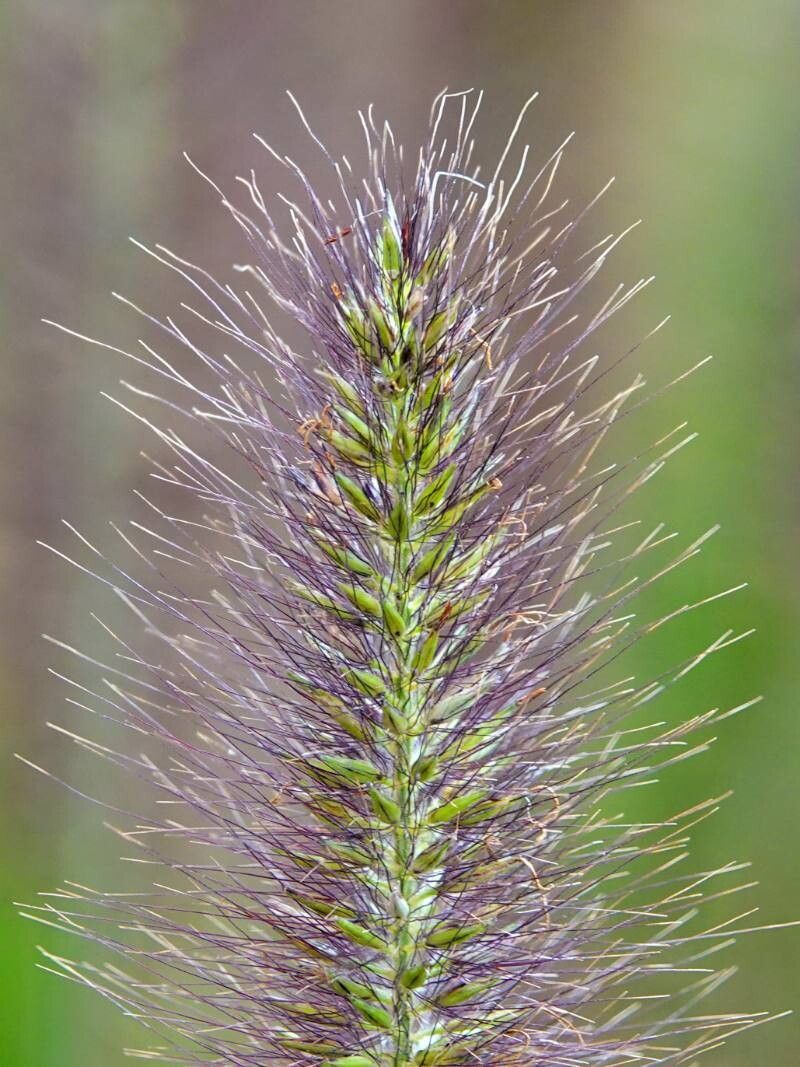
Oh, hello there! Come on in, let’s chat about one of my favorite grasses. If you’ve ever seen a beautiful clump of Cenchrus alopecuroides – that’s Fountain Grass, by the way – swaying gently in the breeze, you know what I’m talking about. Those bottlebrush-like plumes are just delightful, aren’t they? Propagating this beauty is totally doable, and honestly, one of the most rewarding garden projects you can undertake. Don’t worry, even if you’re just dipping your toes into the gardening world, this is a forgiving plant to practice with.
The Best Time to Start
For the highest success rate with your Fountain Grass, aim to propagate in late spring or early summer. This is when the plant is actively growing and has plenty of energy to put into developing new roots. You’ll want to propagate from established plants that are showing good vigor.
Supplies You’ll Need
Here’s what you’ll want to have on hand before you get started:
- Sharp Pruning Shears or a Clean Knife: For making clean cuts.
- Pots or Seed Trays: Clean ones are best to prevent disease.
- Well-Draining Potting Mix: A good quality generic potting mix is fine, or you can add some perlite or sand to improve drainage.
- Rooting Hormone (Optional but Recommended): Especially for stem cuttings, this can really give your cuttings a boost.
- Watering Can with a Fine Rose: For gentle watering.
- Labels and a Permanent Marker: To keep track of your new babies!
Propagation Methods
There are a couple of ways to multiply your Fountain Grass, but my favorite and most reliable method is division.
Propagation by Division
This is hands-down the easiest and most effective way to propagate Cenchrus alopecuroides.
- Dig Up the Clump: In late spring or early summer, as mentioned, carefully dig up your entire Fountain Grass clump. You might need a spade or fork for this, especially if your plant is well-established. Gently loosen the soil around the edges before lifting.
- Inspect and Separate: Once the clump is out of the ground, you’ll see multiple growth points. Gently shake off some of the excess soil so you can see the structure of the plant. You can often gently pull apart sections with your hands, especially if they have some roots attached. If they are a bit stubborn, use your sharp pruning shears or knife to cut through any tough rhizomes, ensuring each section has at least a few shoots and some roots.
- Pot Up the Divisions: Plant each division into its own pot filled with your well-draining potting mix. Make sure the crown of the plant (where the shoots emerge from the roots) is at soil level.
- Water Thoroughly: Give each newly potted division a good, gentle watering.
The “Secret Sauce” (Pro Tips)
Beyond the basics, here are a couple of things I’ve learned over the years that make a big difference:
- Don’t Overcrowd Your Pots: When you’re dividing, resist the urge to cram too many shoots into one pot. Give each division enough space to breathe and develop its own root system. This leads to stronger, healthier plants down the line.
- Be Patient with Roots: Fountain Grass can be a little slow to establish new roots after division. Don’t be tempted to yank them out of the pot to check! You’ll see new shoot growth emerging from the crown, which is usually a good indicator that roots are forming.
Aftercare & Troubleshooting
Once your Fountain Grass divisions are potted up, treat them like you would a brand-new plant.
- Water Consistently: Keep the soil evenly moist but not soggy. Water when the top inch of soil feels dry.
- Provide Good Light: Place your new plants in a spot that gets bright, indirect light. Avoid intense, direct sun for the first few weeks as they adjust.
- Watch for Signs of Rot: The biggest issue you might face is overwatering, which can lead to root rot. If your plant looks suddenly wilted, or the soil stays wet for an extended period, it’s a sign things are too damp. Ensure your pots have drainage holes.
- When to Transplant: Once you see new growth and feel some resistance when gently tugging on a shoot (indicating good root development), you can transplant them into their permanent garden locations or into larger pots.
A little Patience Goes a Long Way
Propagating Fountain Grass is really a joy. It’s about patience, observation, and a little bit of nurturing. Don’t get discouraged if one or two don’t make it – gardening is always a learning process! Enjoy the satisfaction of growing your favorite plants from your own successful efforts. Happy gardening!
Resource:
https://identify.plantnet.org/k-world-flora/species/Cenchrus%20alopecuroides%20(L.)%20Thunb./data